Great Houses of Barbados: Sunbury Plantation
By Rekke Editorial
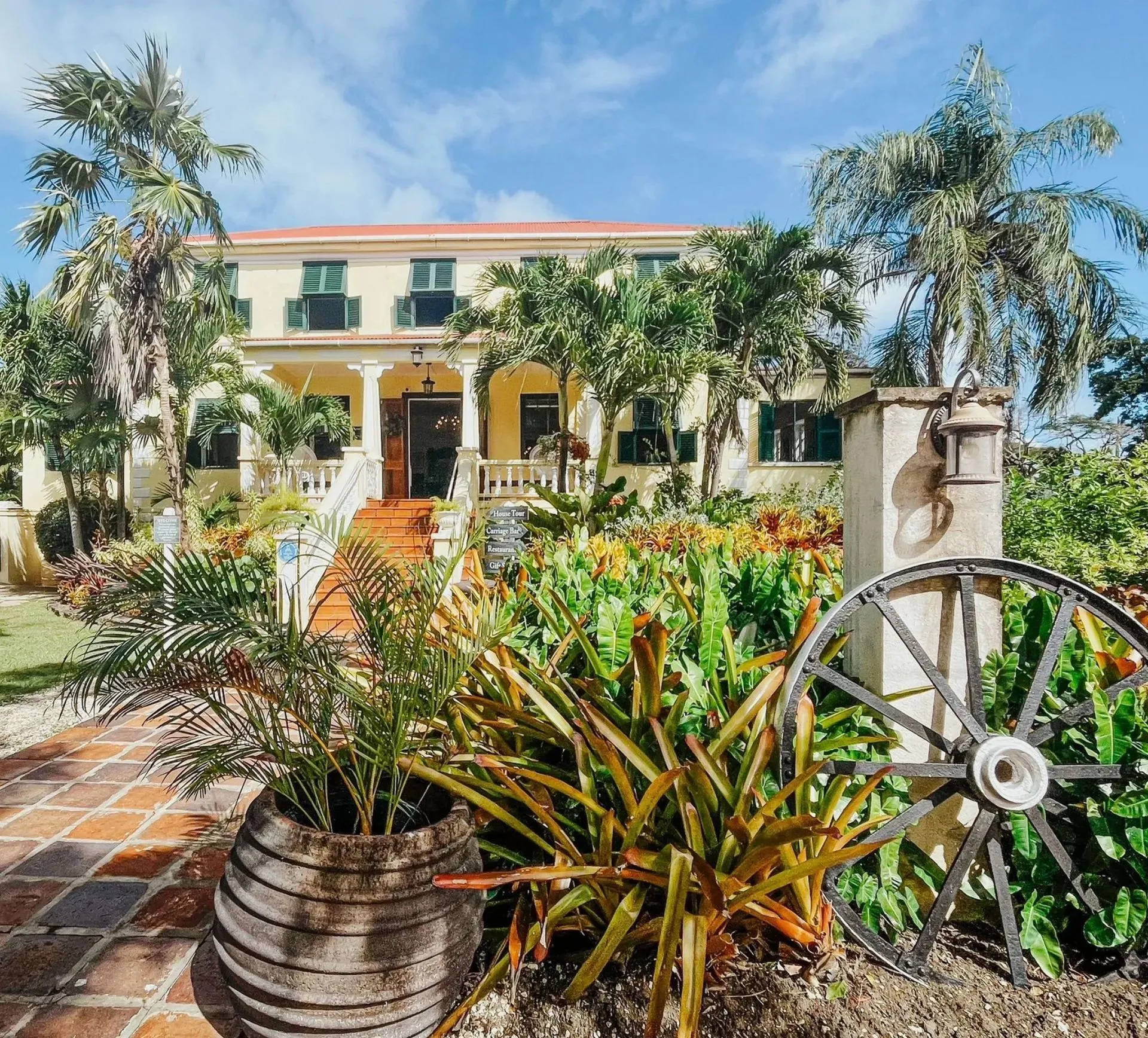
In this series, we explore the Great Houses of Barbados: elegant plantation homes that once formed the center of the island's economic and social development. Few capture that layered history quite like Sunbury Plantation House, a residence whose story stretches back to the 1660s.
The estate was originally established by Matthew Chapman, an early settler who acquired land during Barbados' formative colonial period. The property first became known as Chapman's Plantation before later passing to the Branker family, when it took the name Branker's Plantation. During the eighteenth century the estate came under the ownership of the Barrow brothers, who renamed it Sunbury after their family home in England, a name that has endured for more than three centuries.
Sugar, Power & Plantation Society
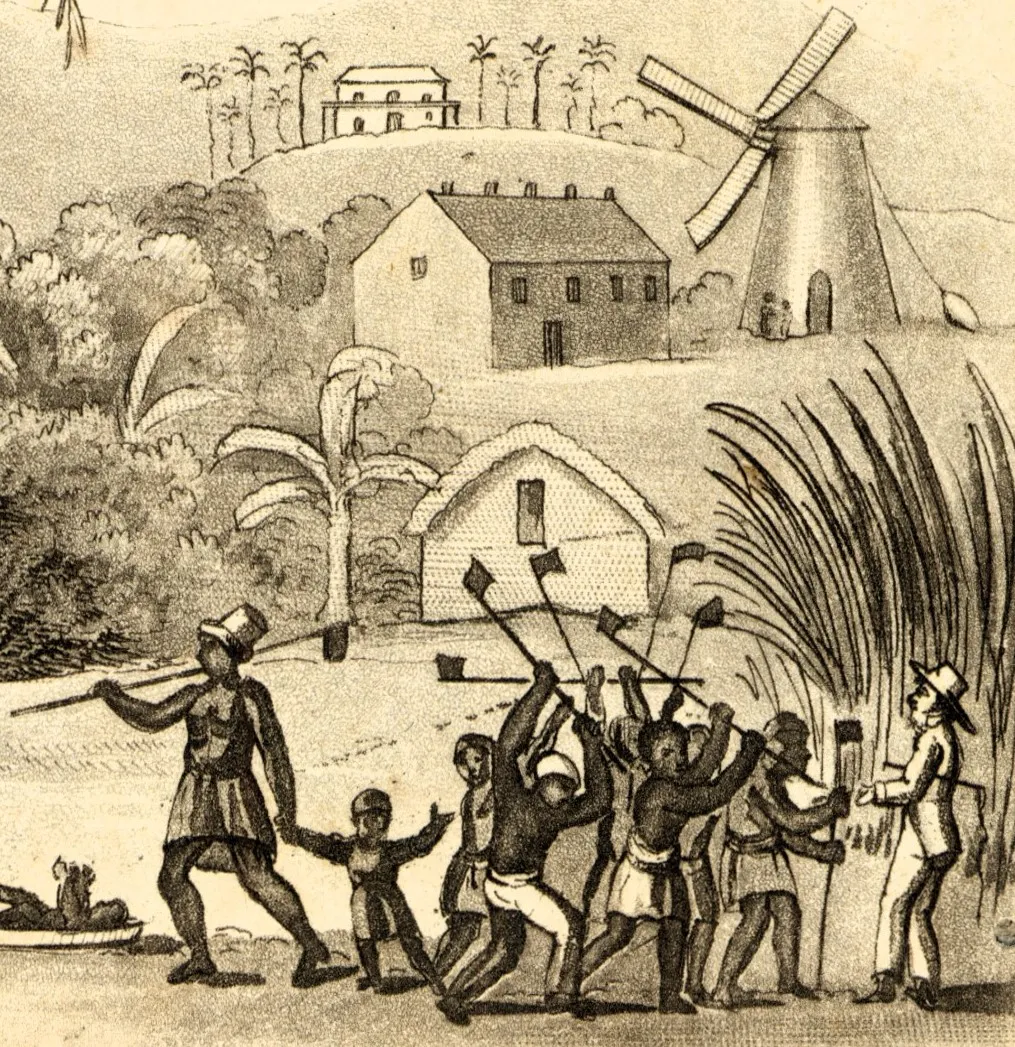
Like many of Barbados' great estates, Sunbury developed alongside the island's sugar economy. Early agricultural attempts with tobacco and cotton proved difficult to sustain, but by the 1640s English settlers had established sugar cultivation on a large scale. The industry relied initially on indentured servants and transported convicts, and increasingly on enslaved Africans whose forced labor generated immense wealth while exacting a devastating human cost.¹
By the early eighteenth century, Barbados contained more than 1,300 sugar plantations worked by an enslaved population estimated at over 40,000 people.² Though consolidation reduced the number of estates in later decades, the island remained one of the world's major sugar producers for generations.
Plantations such as Sunbury were not only centers of agricultural production but also symbols of planter society: estates where the wealth generated by sugar was reflected in expansive houses, formal dining rooms, and cellars stocked with provisions and rum.
Sunbury's cellar remains one of its most notable architectural features. Built of thick coral stone, it helped regulate temperature while also providing shelter during hurricanes and periods of unrest, including the island-wide uprising of 1816 led by the enslaved rebel Bussa.³ The durability of coral limestone, widely used in Barbadian construction, meant that many plantation houses could withstand both severe storms and fires far better than timber buildings.
At Emancipation in 1838 the plantation comprised approximately 413 acres and employed 244 laborers, a stark reminder of the human scale of the estate's operations during the plantation era.n
Crop Over
The plantation system also gave rise to traditions that continue to shape Barbadian culture today. Crop Over began in the 1680s as "Harvest Home," a celebration marking the completion of the sugar cane harvest.⁴ By the late eighteenth century the custom had become widespread across the island's estates.
The festival declined in the 1940s as the sugar industry contracted, but it was officially revived in 1974 following Barbados' Independence. Today Crop Over remains one of the island's major annual celebrations: a summer season of music, masquerade, heritage, and creativity running from June through early August.
In the 1980s the National Cultural Foundation even held Plantation Feasts on Sunbury's grounds, reconnecting the historic estate with the harvest celebrations that once formed an integral part of plantation life.
Sunbury Today
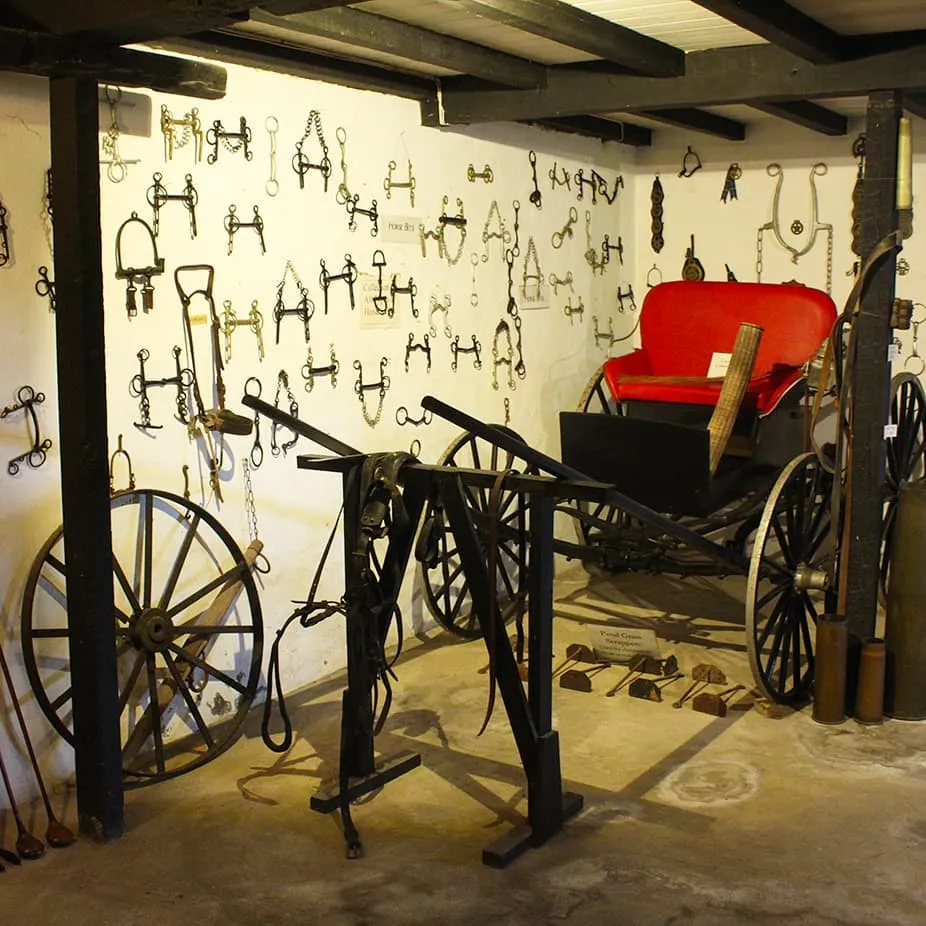
Today Sunbury Plantation House is preserved as an architectural museum offering visitors a glimpse into this layered past. Its rooms are filled with antiques and artifacts, including a 270-year-old 30-seater mahogany dining tabled, still used on occasion for intimate dining experiences.
In 1995 a devastating fire damaged much of the interior and destroyed a number of historic furnishings. The coral stone structure, however, largely survived, and the house was carefully restored, allowing Sunbury to retain its historic character while rebuilding its collection of antiques.
Beyond its interiors, the extensive gardens, historic Bell House, and covered pavilion provide a setting for weddings, private events, and photographs.
No longer the center of a sugar empire, Sunbury Plantation House remains a gathering place shaped by centuries of Barbadian history.
Sources
- Richard S. Dunn. Sugar and Slaves:The Rise of the Planter Class in the English West Indies. University of North Carolina Press, 1972.
- Higman, B.W. Montpelier Plantation, Barbados: A Study of the Architecture and Archaeology of a Slave Plantation. University of the West Indies Press, 1995.
- Higman, B.W. Slave Populations of the British Caribbean, 1807–1834. University of the West Indies Press, 1984.
- Marshall, Tabitha. Historic Houses of Barbados. Barbados National Trust, 2012.
Visit Sunbury Plantation Great House
You might also like
Great Houses of Barbados
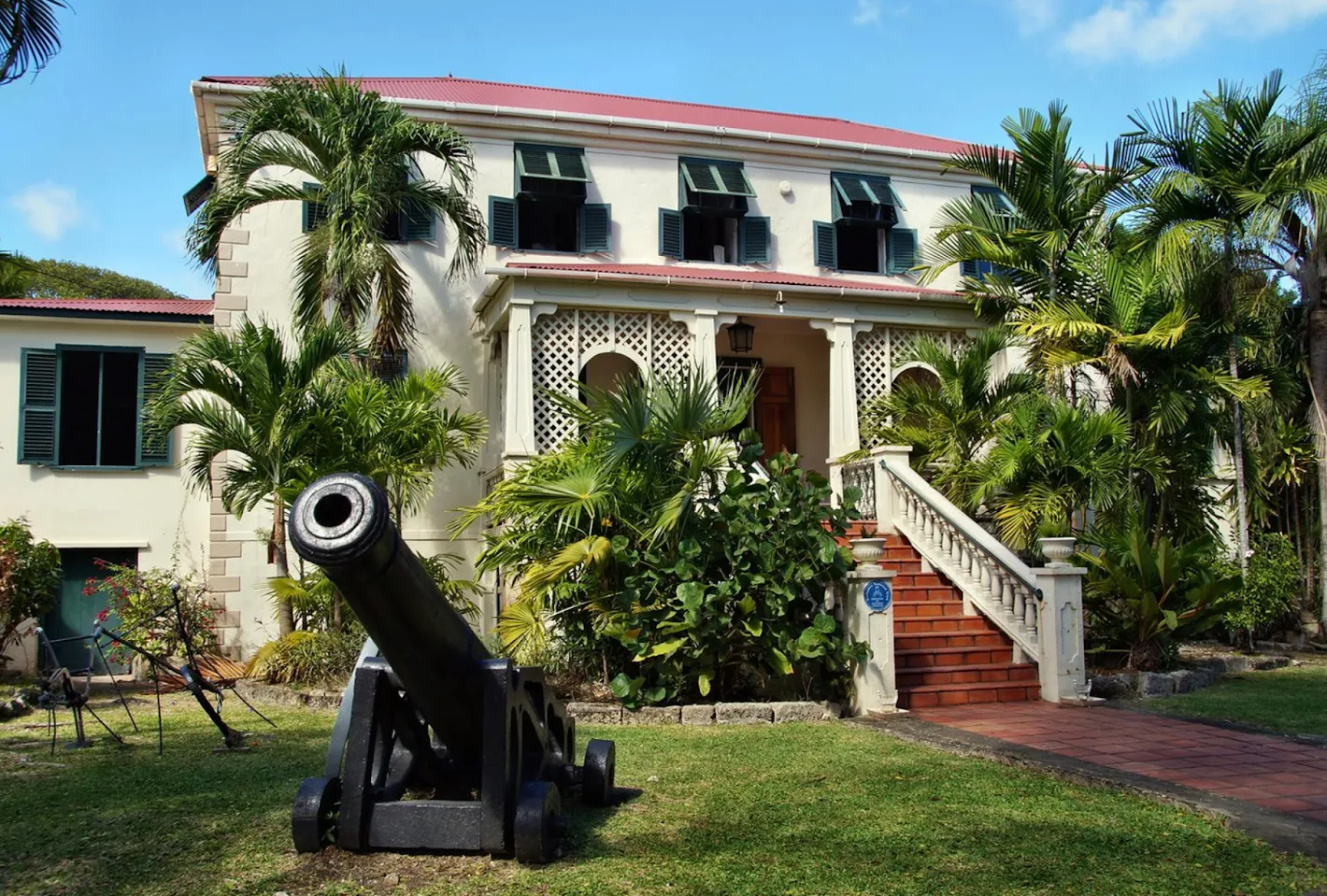
The History & Legacy Of Barbados’ Great Houses
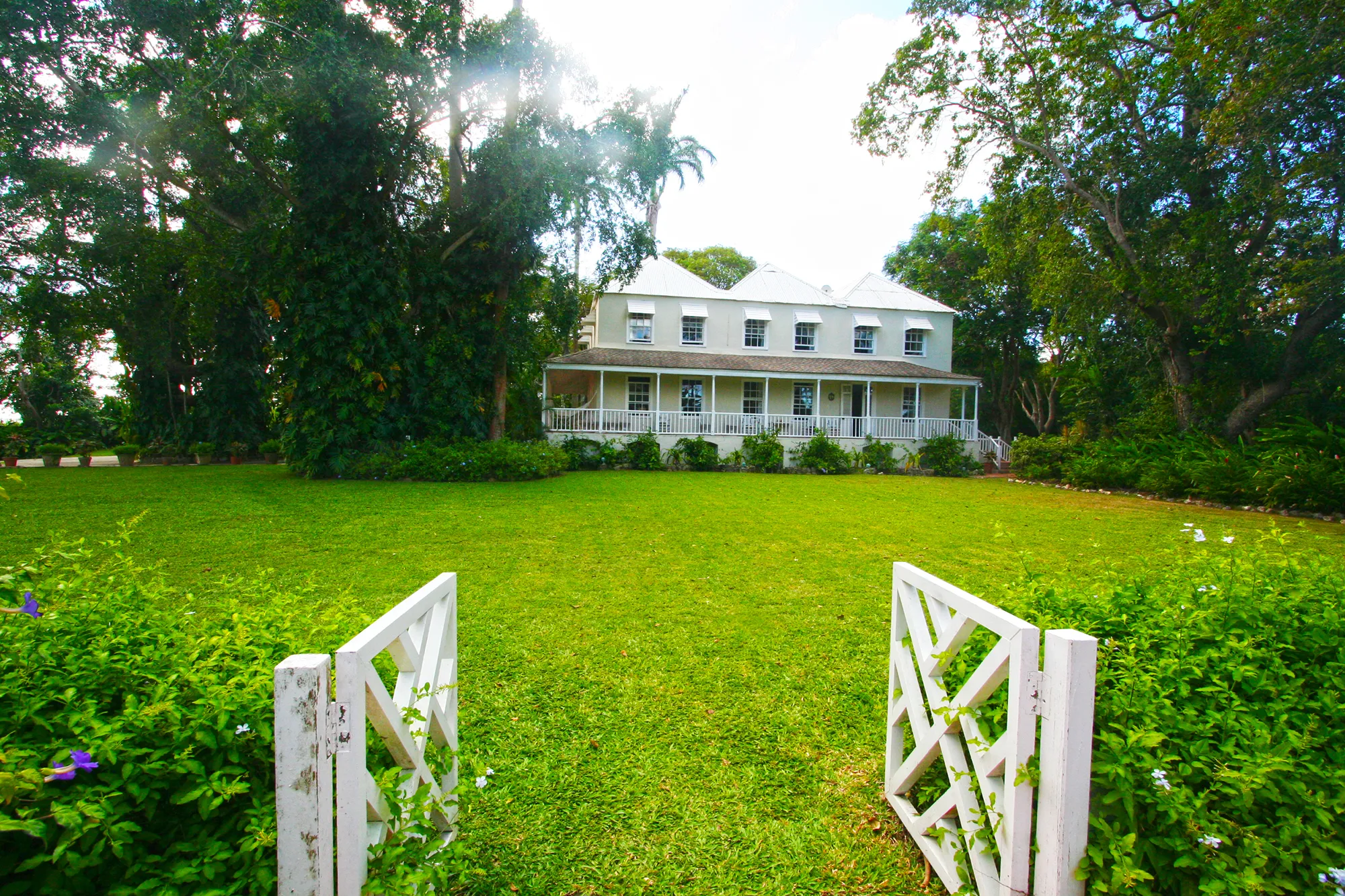
Great Houses of Barbados: Byde Mill
A Plantation Estate Shaped by Reform and Rebellion
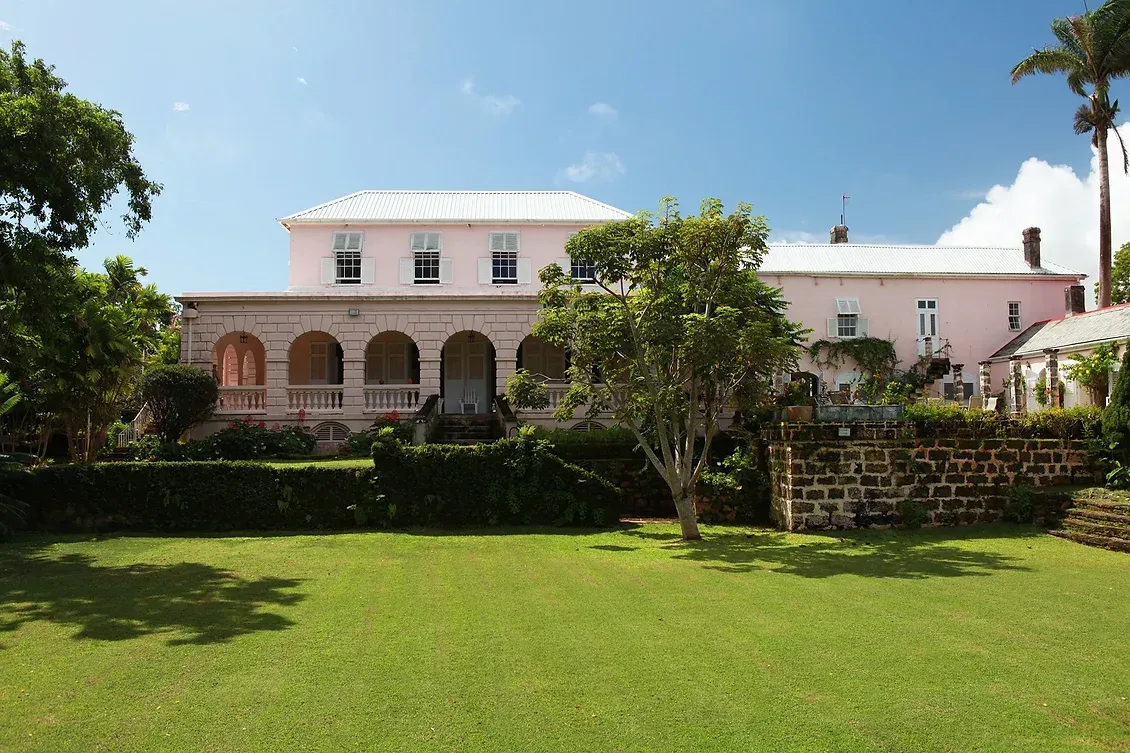
Great Houses of Barbados: Clifton Hall
A Barbadian Estate with Byzantine Roots
Great Houses of Barbados: Colleton Great House
Colleton Great House: History of a Barbados Plantation Estate
Great Houses of Barbados: St Nicholas Abbey
Murder, Sugar, and a Jacobean Great House
Where did George Washington stay on his only trip abroad?
The Only Trip George Washington Ever Made Outside America