Great Houses of Barbados: Colleton Great House
By Rekke Editorial
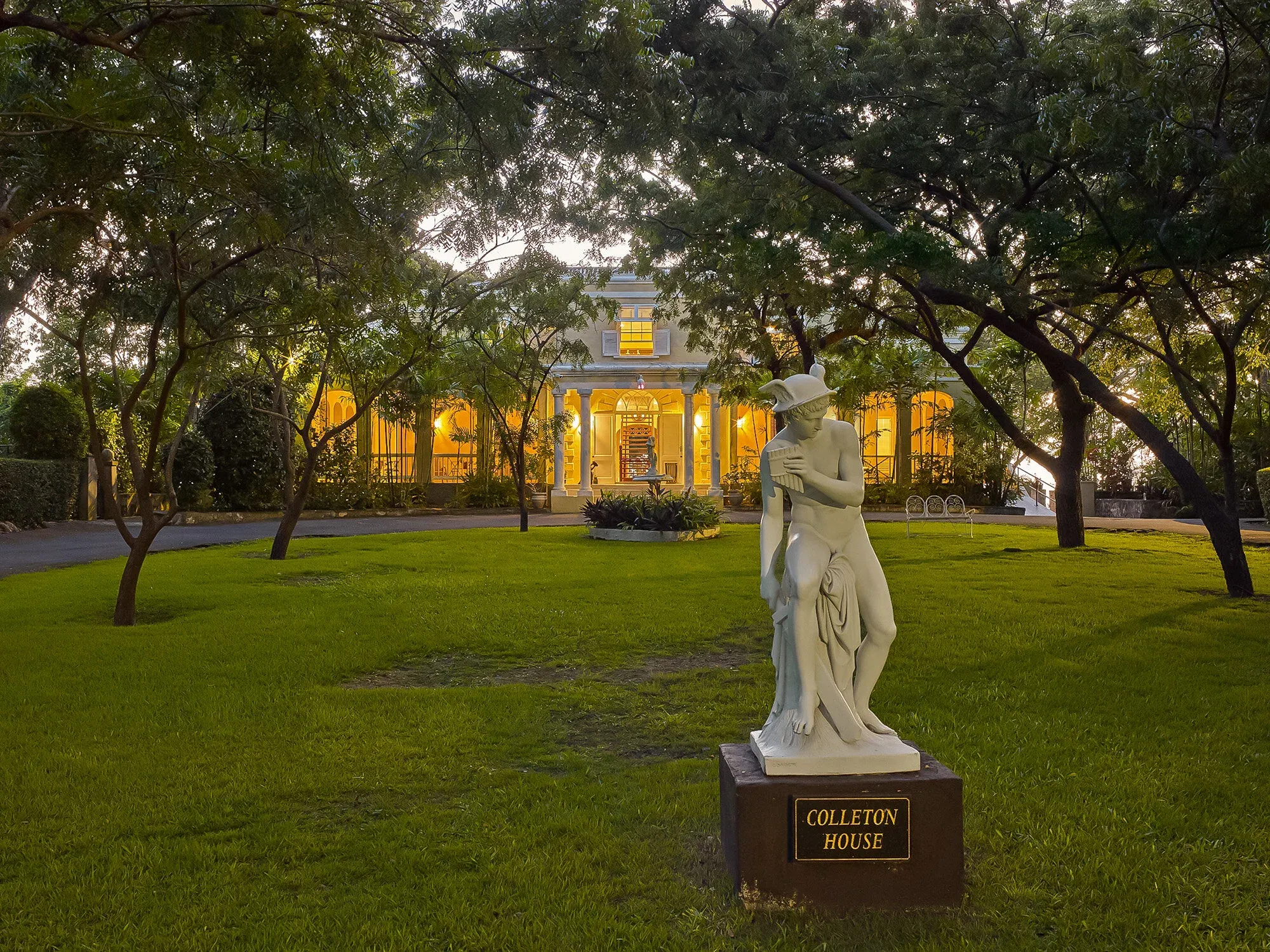
This series explores the Great Houses of Barbados: grand plantation estates that shaped the island’s economic, social, and architectural history. Among them, Colleton Great House stands out as one of the island’s earliest estates, founded by a merchant-turned-planter whose life intersected with civil war, colonial expansion, and the rise of Barbados as a sugar powerhouse.
Sir John Colleton: Merchant, Royalist and Founder of the Estate
Colleton Great House traces its origins to Sir John Colleton (1608–1666), an English merchant whose fortunes were shaped by the political upheavals of the seventeenth century.
Born in Exeter, Colleton came from a prominent mercantile family long involved in the wool trade. For generations the Colletons played an influential role in the civic and commercial life of the city, serving as mayors of Exeter and exporting woolen cloth across Europe. Their warehouses stood along Exeter Quay, where cloth was stored before being shipped in the family’s own vessels to markets in the Netherlands and beyond.¹ These trading networks later proved valuable as England expanded its reach across the Atlantic.
During the English Civil War, Colleton became a committed Royalist supporter of King Charles I, using his wealth to support the king’s cause. When the Royalists were defeated, many of their supporters faced heavy financial penalties or confiscation of property. Like several Royalist merchants seeking new opportunities, Colleton turned to England’s Caribbean colonies.
In 1647 he purchased a 90-acre plantation in St Peter known as The Ridges, reportedly buying the property sight unseen.² Located just north of present-day Speightstown on a ridge overlooking the island’s west coast, this estate would eventually become known as Colleton Great House.
The plantation formed the foundation of Colleton’s growing interests in Barbados. Over the following decade he expanded his holdings considerably, acquiring additional estates across the island. Between 1651 and 1660 he assembled a 220-acre property inland between St Peter and St Lucy, while a larger 450-acre estate in the parish of St John became his principal sugar plantation.³
Together these plantations gave Colleton control of nearly 770 acres, placing him among the island’s substantial planters during the early sugar boom. Like other estates of the period, these plantations relied on the forced labor of enslaved Africans, whose exploitation generated the wealth that sustained Barbados’s rapidly expanding plantation economy.
Colleton lived in Barbados for roughly a decade between 1650 and 1660, becoming involved in the island’s political life during a turbulent period when the English Civil War extended to the colony. Working closely with fellow planter Sir Thomas Modyford, he navigated shifting alliances between Royalists and Parliamentarians and later served as Judge of the Court of Common Pleas.⁴
Following the Restoration of the monarchy in 1660, Colleton returned to England, leaving his sons to manage the family plantations in Barbados. His loyalty to the Crown was rewarded in 1663, when King Charles II named him one of the eight Lords Proprietors of Carolina, granting him a share in a vast North American colony. The venture eventually led to the founding of Charleston in 1670, a settlement closely connected to Barbados through trade, migration, and plantation agriculture.⁵
Although Colleton spent the remainder of his life in England, the plantations he established in Barbados continued to shape the fortunes of his family for generations.
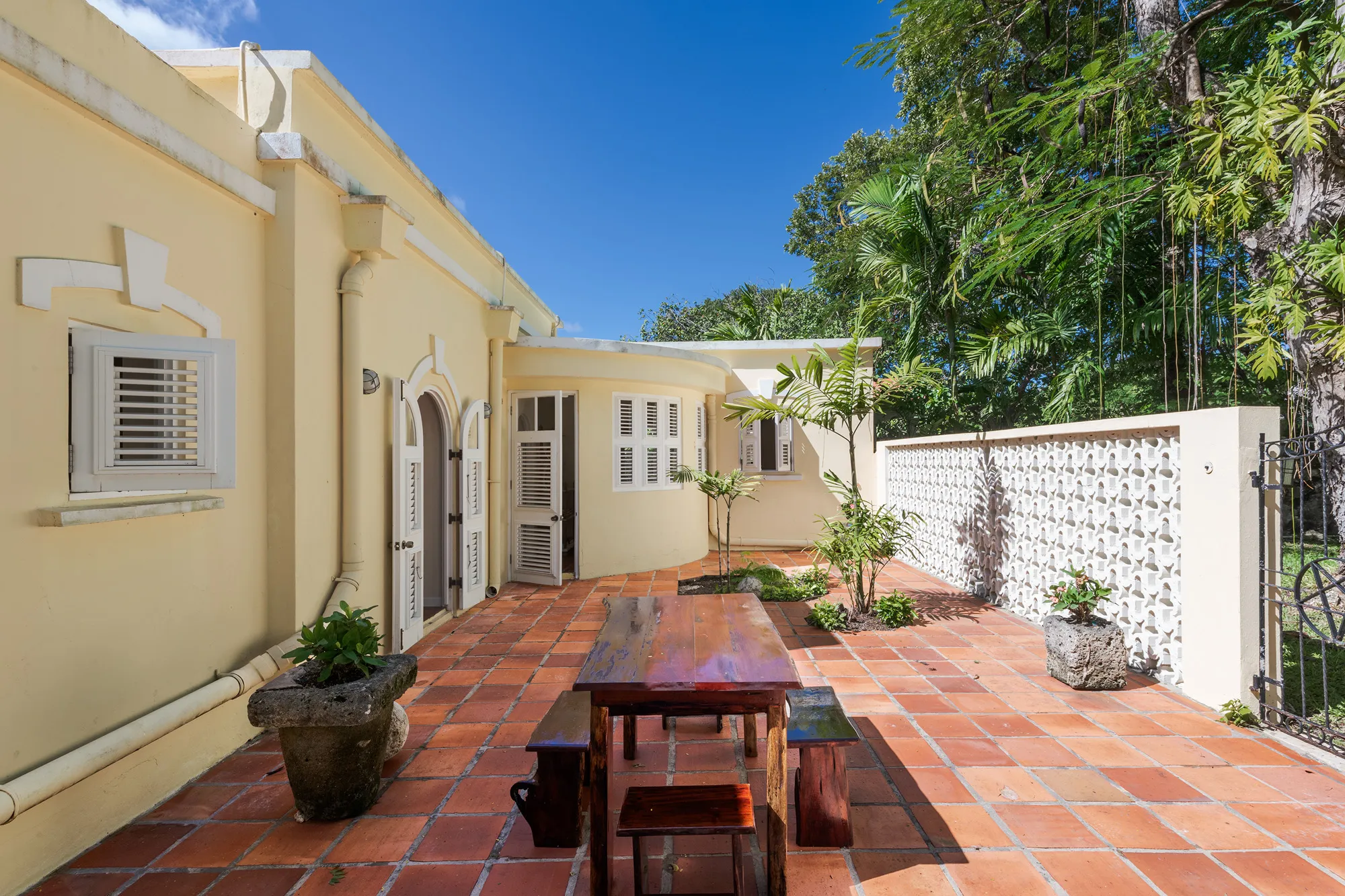
Cliff-Top Cottage
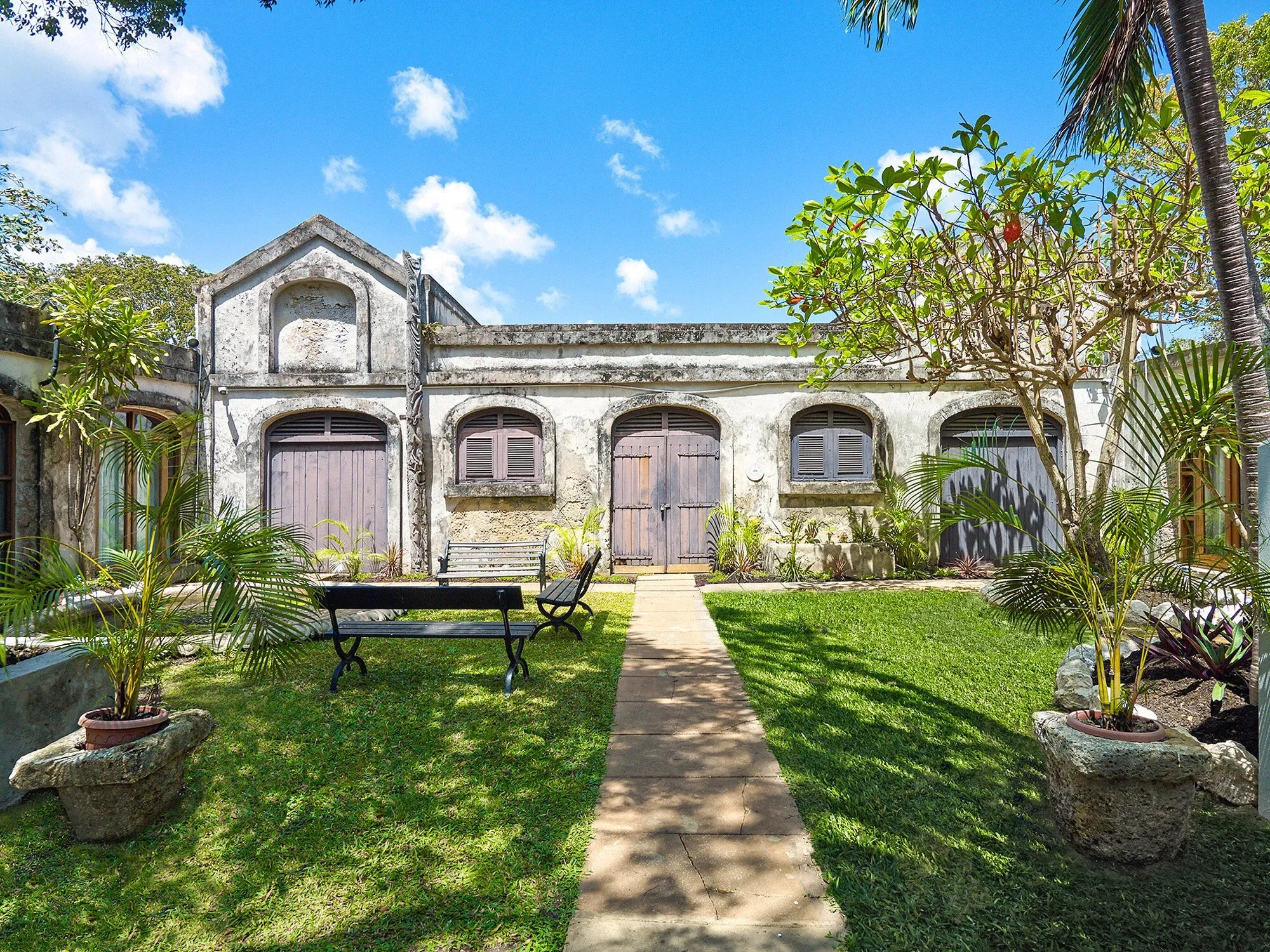
The Stables Apartments
The House and Estate
The earliest structure on the estate still survives today as Cliff-Top Cottage, a small coral-stone building believed to date from the mid-seventeenth century. When Sir John Colleton purchased the property known as The Ridges in 1647, this modest dwelling stood on the ridge overlooking the island’s west coast and likely served as the first residence on the plantation.
As the estate prospered, a larger house was constructed nearby, forming the beginnings of what would eventually become Colleton Great House. Even by the early nineteenth century, however, the residence remained relatively modest. A description from 1807, when the property was sold, records the house as consisting of “a hall, two parlours, a kitchen and two chambers.”⁶
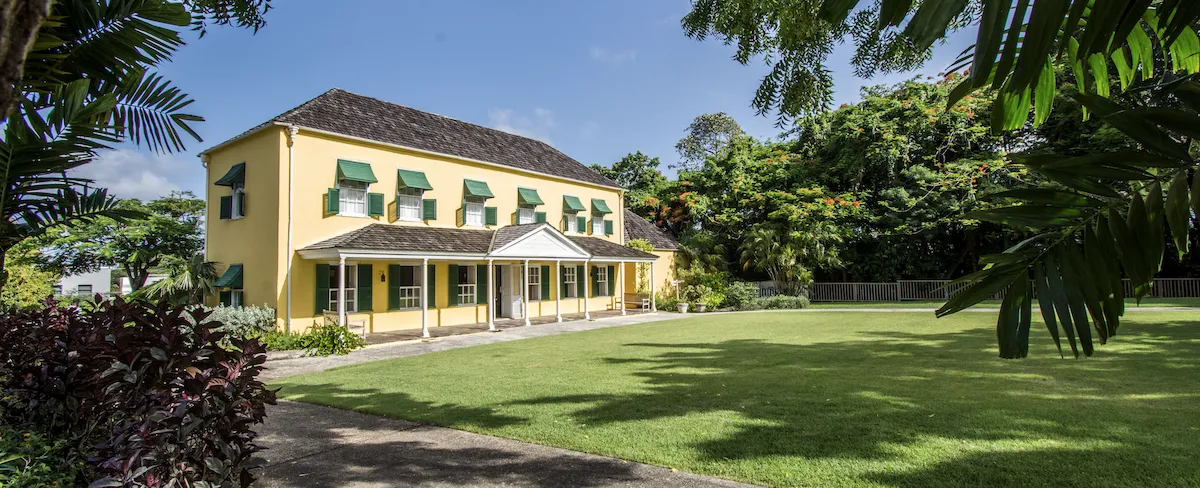
During the 1830s the house was substantially enlarged, transforming it into an elegant Regency-era mansion. Designed with balanced classical proportions and Palladian symmetry, the building rises two storeys above deep cellars. Broad verandahs and louvered (or jalousie) windows helped capture cooling sea breezes, reflecting the adaptation of European architectural styles to the Caribbean climate.
The estate also features a handsome stable complex dating from the same period, arranged around a graceful arched courtyard. These buildings formed an important part of the working plantation estate and today remain one of the most distinctive architectural features of the property.
Though the house has evolved considerably since the days of Sir John Colleton, traces of the estate’s earliest history remain visible in the surviving structures scattered across the ridge. Together, they illustrate the transformation of the property from a modest seventeenth-century plantation dwelling into one of Barbados’s most distinctive historic great houses.
Sources
- Barbados and the Carolinas Foundation. People, Pirates, Places and Partnerships: The Barbados–Carolina Connection
- Allen, Gillian. The Colleton Family and Their Part in the Establishment of the Slave/Plantation System
- Allen, Gillian. The Colleton Family and Their Part in the Establishment of the Slave/Plantation System
- Allen, Gillian. The Colleton Family and Their Part in the Establishment of the Slave/Plantation System
- Towles, Louis P. South Carolina Encyclopedia
- Fraser, Henry. “Colleton House.” MACO Magazine
You might also like
Great Houses of Barbados
The History & Legacy Of Barbados’ Great Houses
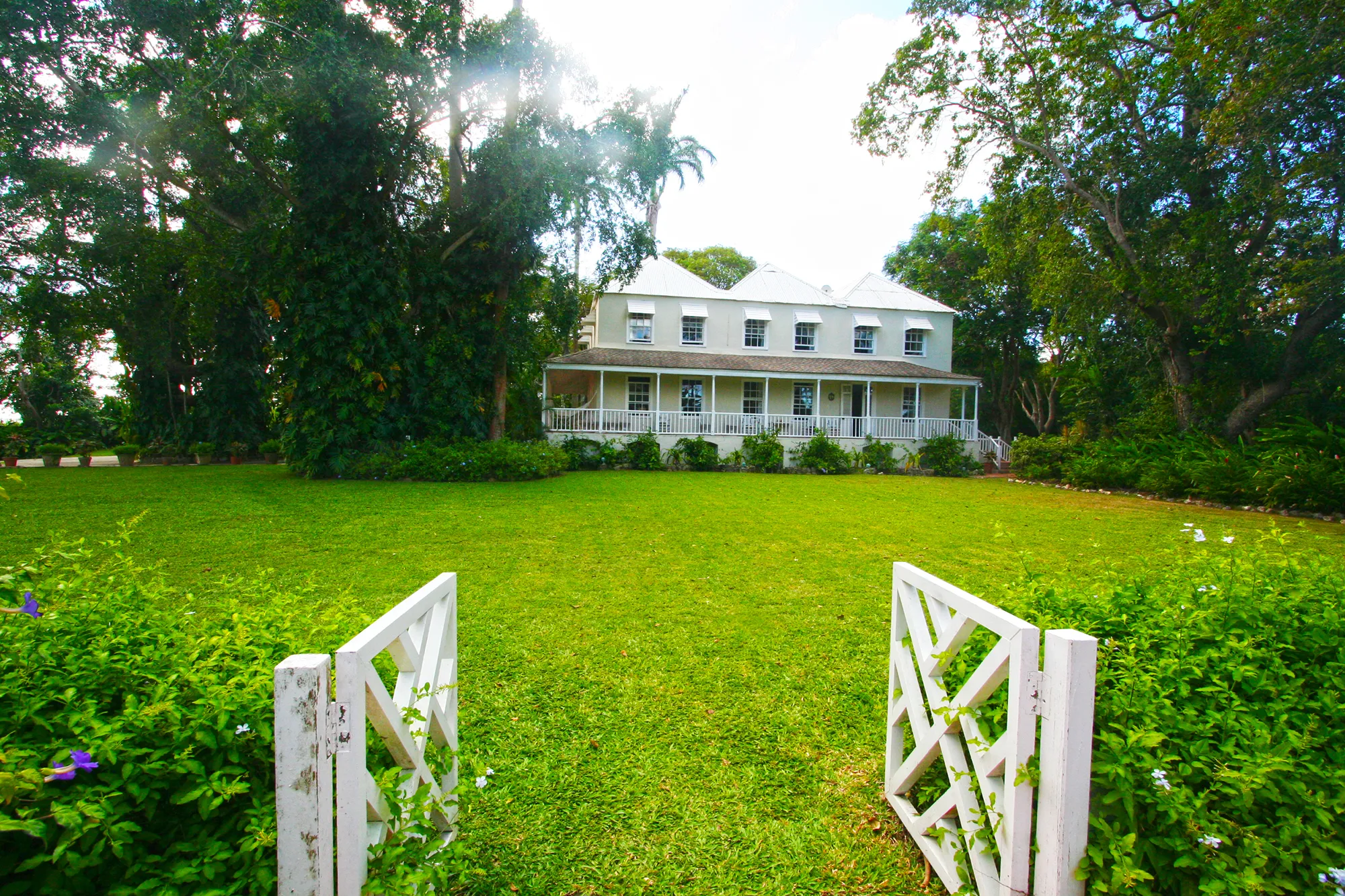
Great Houses of Barbados: Byde Mill
A Plantation Estate Shaped by Reform and Rebellion
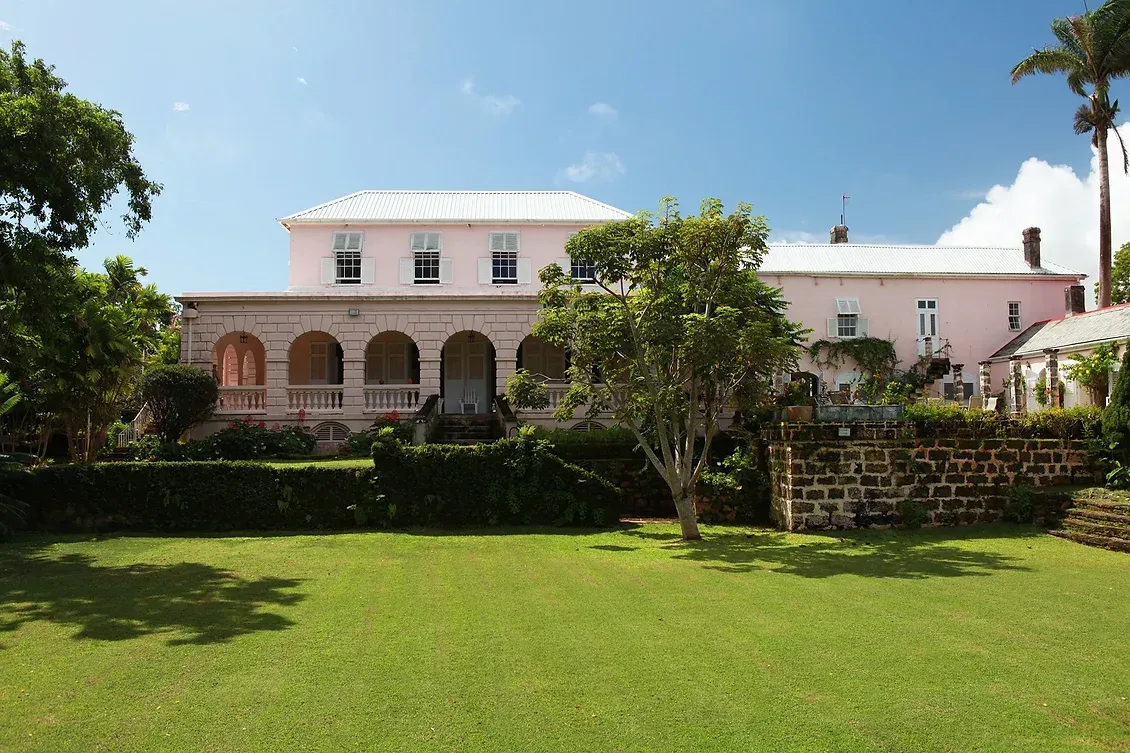
Great Houses of Barbados: Clifton Hall
A Barbadian Estate with Byzantine Roots
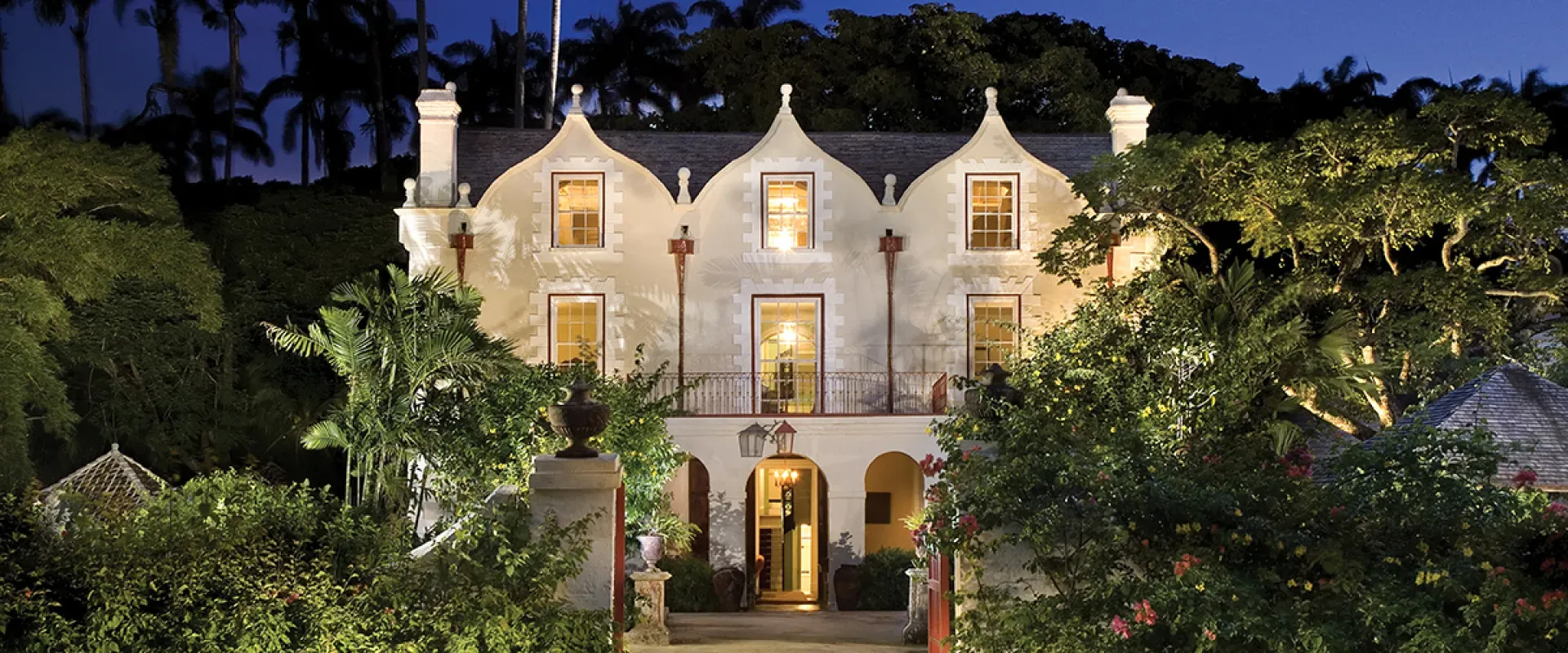
Great Houses of Barbados: St Nicholas Abbey
Murder, Sugar, and a Jacobean Great House
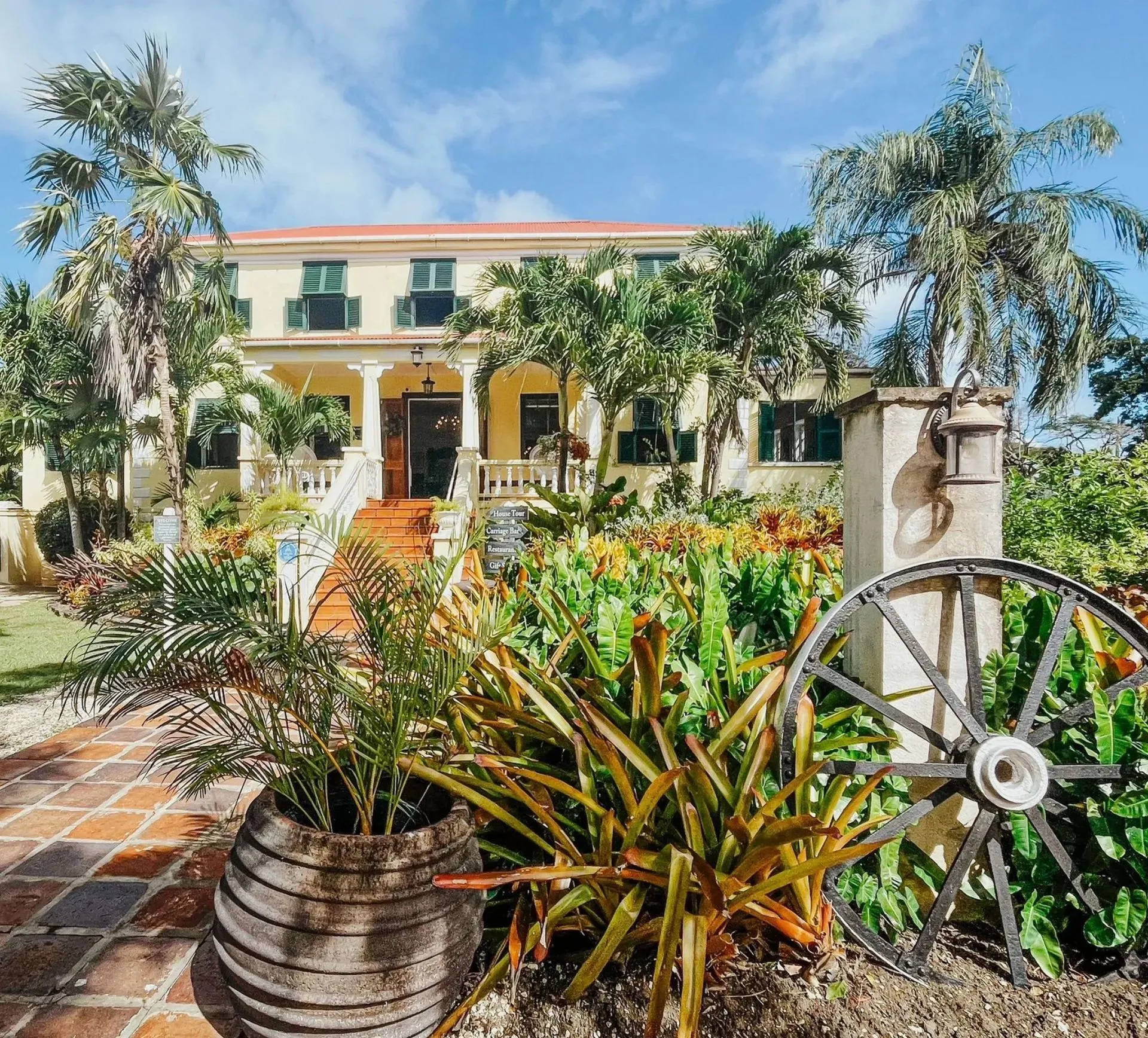
Great Houses of Barbados: Sunbury Plantation
Sugar, Fire, and Three Centuries of Barbadian History
Where did George Washington stay on his only trip abroad?
The Only Trip George Washington Ever Made Outside America