Where did George Washington stay on his only trip abroad?
By Rekke Editorial
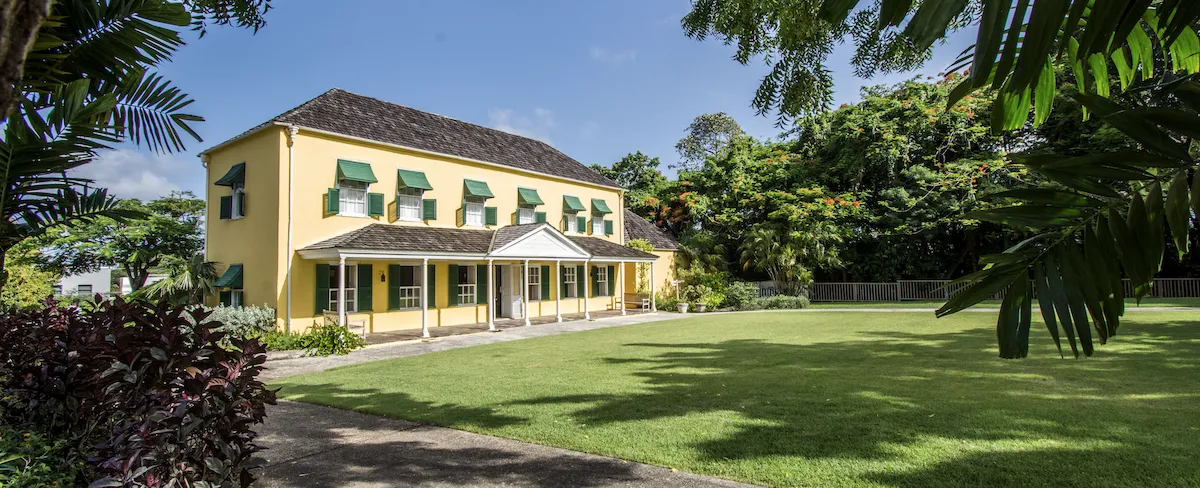
George Washington is one of the most documented figures in American history. His military campaigns, presidency, and political legacy have been studied for centuries. Yet there is one chapter of his life that receives far less attention: the only time he ever left the United States. In 1751, at just 19 years old, Washington sailed across the Atlantic to a small island in the Caribbean. The place where he stayed still exists. Visit Barbados and you can walk through the very same rooms he lived in.
George traveled to Barbados not for adventure but out of duty. His older half-brother Lawrence Washington had been diagnosed with tuberculosis, then commonly called "consumption," and had sailed to the island in hopes that its warm climate and sea air might aid his recovery. At the time, Barbados was widely recommended by physicians as a place of convalescence for sufferers of the disease. What began as a hopeful medical journey for Lawrence would become the only international trip of George Washington's life.
During his stay, the young Washington experienced a world far beyond the plantations of Virginia. He observed the bustling port of Bridgetown, British naval activity, and the island's powerful plantation economy. He also contracted smallpox but survived, gaining lifelong immunity, a factor that would later prove critical during the American Revolutionary War.
Today the restored house offers visitors a glimpse into 18th-century Barbados and the brief but historically significant visit of the young man who would later become the first President of the United States.
Lawrence Washington: A Brother and Mentor
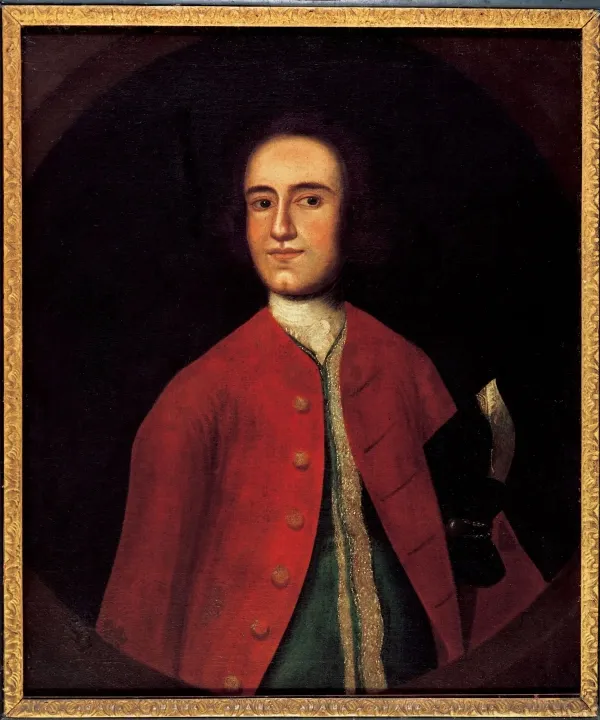
Though often overshadowed by his famous sibling, Lawrence Washington played a formative role in George's early life.
The eldest son of George's father Augustine and his first wife, Lawrence was educated in England at Appleby Grammar School before returning to Virginia to oversee the family plantation. Following their father's death, Lawrence became a mentor and father figure to the young George.
Lawrence also served as a military officer and was elected to Virginia's colonial legislature, the Virginia House of Burgesses. His experiences introduced George to leadership, military life, and the responsibilities of landownership.
In 1751 Lawrence was diagnosed with tuberculosis, prompting the journey to Barbados in hopes that the island's climate might aid his recovery. George accompanied him both out of duty and curiosity, gaining his first exposure to the wider Atlantic world of trade, empire, and colonial society.
Sadly, the treatment proved unsuccessful. After leaving Barbados, Lawrence traveled to Bermuda seeking a cooler climate closer to home but died the following year in 1752.
The Voyage to Barbados
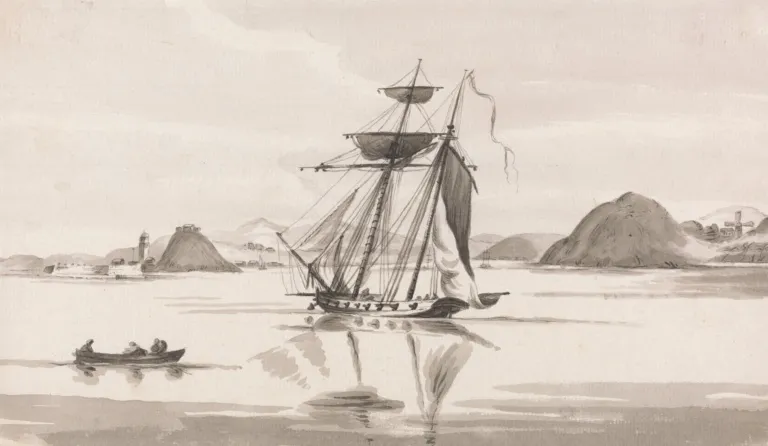
The Washington brothers' journey across the Atlantic took approximately six weeks. Their ship sailed north of Bermuda before turning south to catch the Atlantic tradewinds that carried vessels toward the Caribbean.
The voyage was not without danger. Approaching Barbados, the ship nearly ran aground on the coral reefs that surround the island, reefs that protected the colony from invasion but posed a constant hazard to sailors.
The vessel ultimately anchored safely in Carlisle Bay, the main harbor for Barbados and one of the busiest ports in the Caribbean at the time, although today you're more likely to know it for its long sandy beach and calm turquoise waters.
Life in Bridgetown and Its Influence
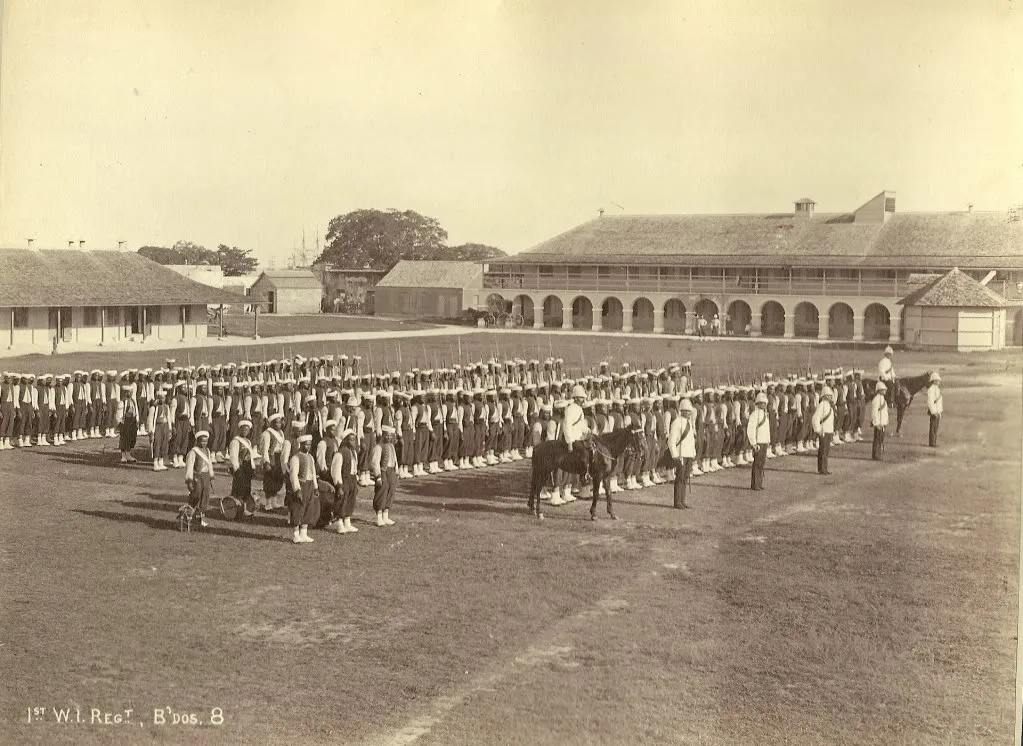
During their stay in Bridgetown, George Washington observed the island's bustling commercial and social life. He saw firsthand the strategic importance of Barbados in British trade and military operations, as well as the workings of plantation economies that powered the island's extraordinary wealth. At the time of Washington's visit, Barbados was among the richest English colonies in the Atlantic world, and the scale of trade and military presence offered a glimpse of Britain's Caribbean empire that the young Virginian had not encountered at home.
Washington also kept a brief journal during his stay, the only surviving travel diary of his life, recording visits to plantations and dinners with local elites. His entries hint at the island's lively social life too; within days of arriving he noted attending gatherings and even wrote of going to the theater, a glimpse of Bridgetown's cultural scene in the 1750s.¹
Yet the wealth and activity that impressed visitors to Bridgetown were built upon a far harsher reality: the plantation economy and enslaved labor that sustained the island's prosperity.
Slavery and the Washingtons
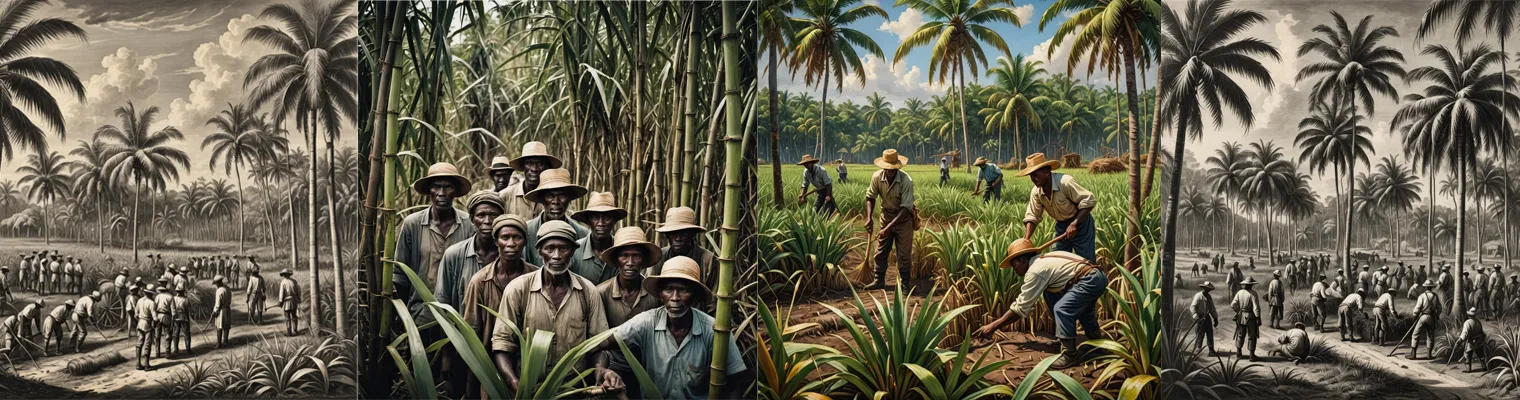
During their stay on the island, George Washington and his half-brother Lawrence Washington encountered a society profoundly shaped by slavery. Although Washington came from a slave-holding family in Virginia, the scale and intensity of the system in Barbados were striking.
By the mid-18th century, roughly eighty percent of the island's population were enslaved people of West African descent, while the remaining population consisted largely of white colonists of English, Scottish, Welsh, and Irish ancestry. Barbados had developed into one of the most profitable sugar colonies in the British Atlantic world, and its wealth depended almost entirely on enslaved labor.
For Washington, the experience revealed a society where slavery shaped nearly every aspect of economic and social life. Enslaved people performed the arduous work of cultivating and processing sugar cane on plantations that generated immense wealth for colonial landowners while subjecting thousands of men, women, and children to brutal conditions. The scale of this plantation economy would have been striking even for someone raised in a slave-holding household.²
Perhaps the most profound impression on Washington was seeing a society so completely structured around enslaved labor, economically, socially, and politically, in a way he had not encountered at home. Historians have often pointed to this visit as one of the early experiences that shaped his later relationship with slavery. Washington would go on to become a slave owner himself, yet in later life he also expressed growing unease with the institution and ultimately arranged for the emancipation of the enslaved people he owned upon his death.
Today the museum at George Washington House helps visitors understand this history through artifacts, visual displays, and interactive exhibits that explore the realities of slavery in both Barbados and colonial Virginia. Among the voices presented is that of Olaudah Equiano, whose powerful narrative offers one of the most important firsthand accounts of capture, enslavement, and the Middle Passage. These exhibits provide visitors with a deeper understanding of the enslaved majority who lived and labored in Barbados during Washington's visit and whose experiences formed a crucial part of the island's history.
Exploring George Washington House Today
Visitors to George Washington House can explore the carefully restored 18th-century residence where Washington stayed during part of his 1751 visit. An audio guide, available in multiple languages, leads guests through the rooms, telling the story of George and Lawrence's visit while offering insight into daily life in colonial Barbados.
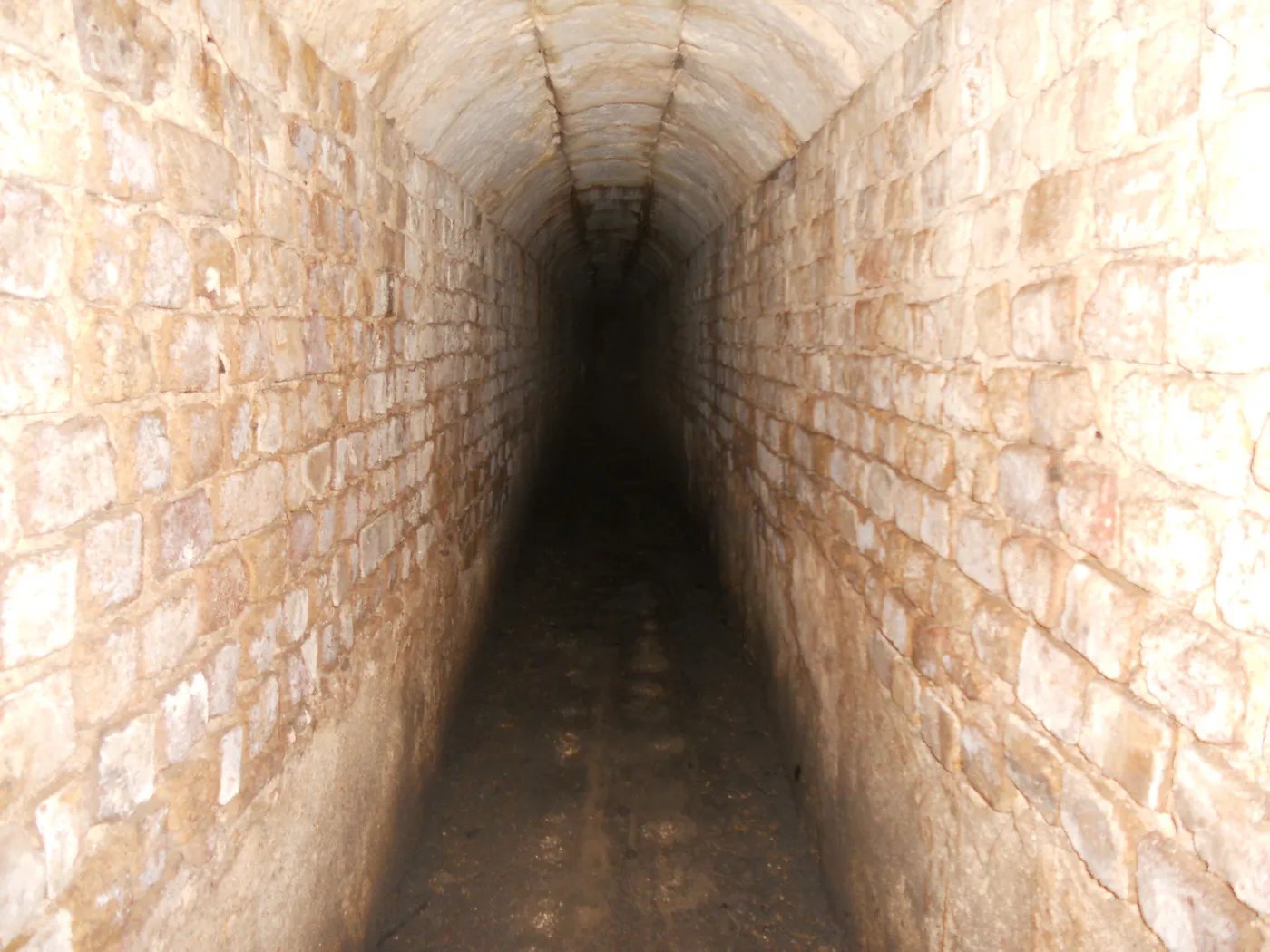
Beneath the house, a network of underground Garrison tunnels reveals another layer of the island's history. Constructed in the 1820s under Governor Stapleton Cotton, these tunnels formed part of the defensive infrastructure of the Barbados Garrison.
After the Garrison was decommissioned in 1905, the tunnels were largely forgotten until their rediscovery in 2011. Since then, around two-thirds of the 3,200-foot network has been explored, and approximately 230 feet have been opened to visitors.
Today the house and tunnels form part of the UNESCO World Heritage Site Historic Bridgetown and its Garrison, offering a window into Barbados' colonial past and the visit of a young traveler who would one day help shape a nation.
Sources
- Washington, George. The Barbados Diary, 1751–52. University of Virginia Press.
- Flexner, James Thomas. George Washington: The Forge of Experience (1732–1775). Little, Brown and Company, 1965.
You might also like
Great Houses of Barbados
The History & Legacy Of Barbados’ Great Houses
Great Houses of Barbados: Byde Mill
A Plantation Estate Shaped by Reform and Rebellion
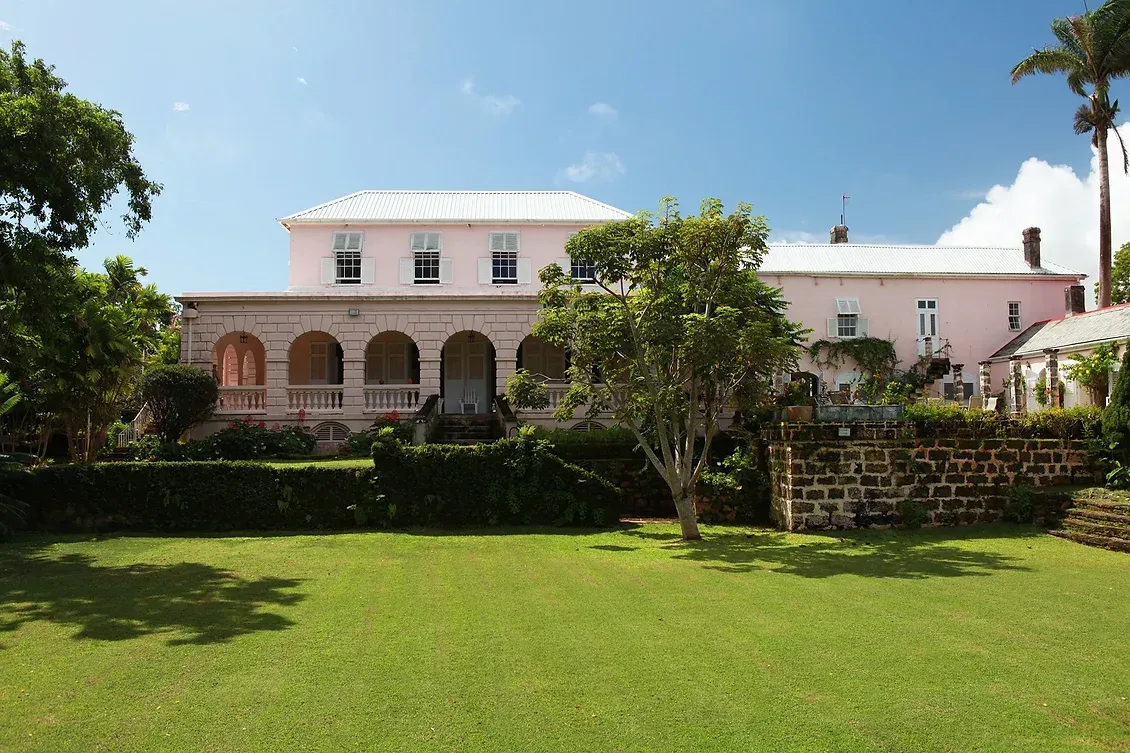
Great Houses of Barbados: Clifton Hall
A Barbadian Estate with Byzantine Roots
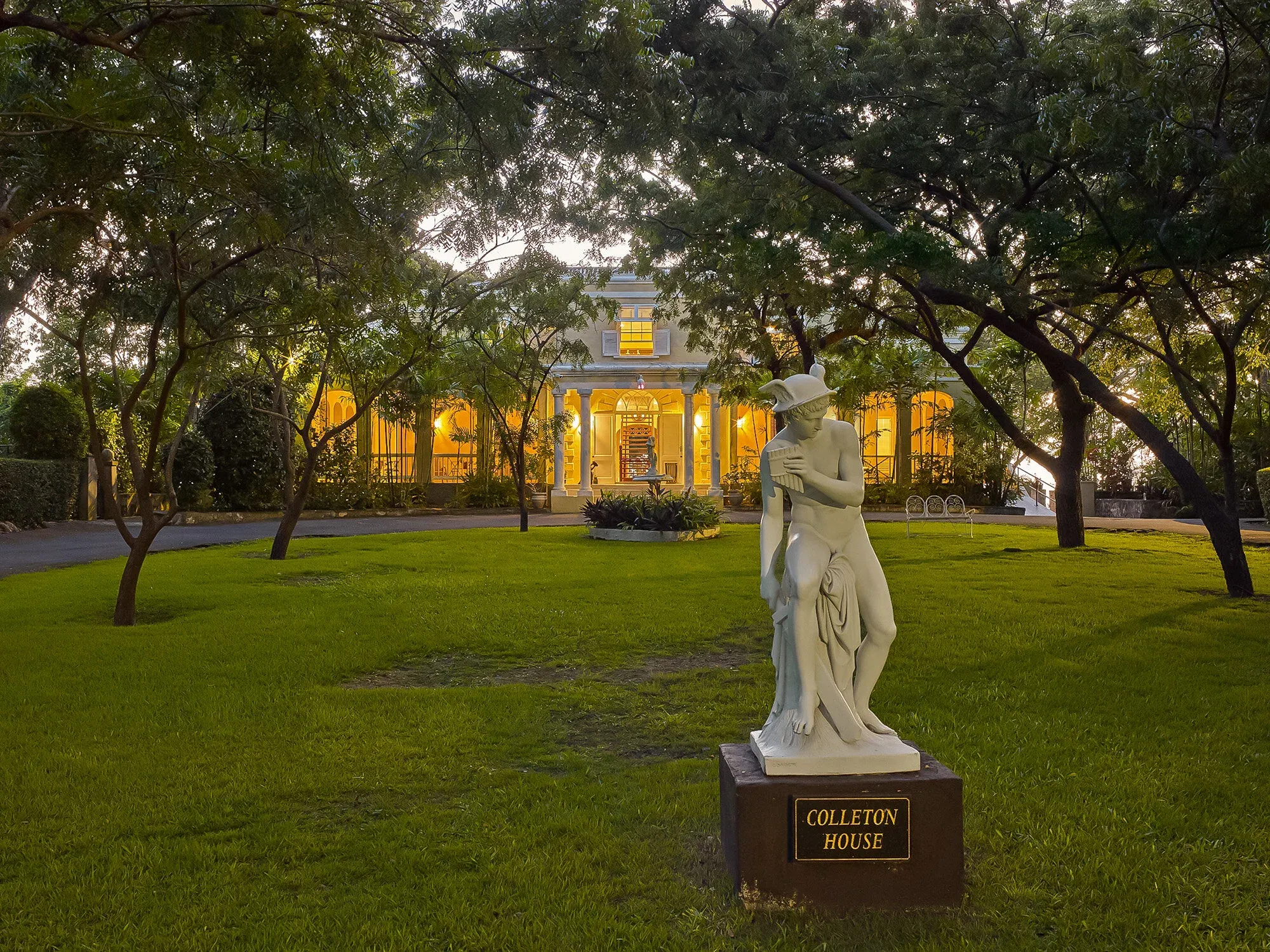
Great Houses of Barbados: Colleton Great House
Colleton Great House: History of a Barbados Plantation Estate
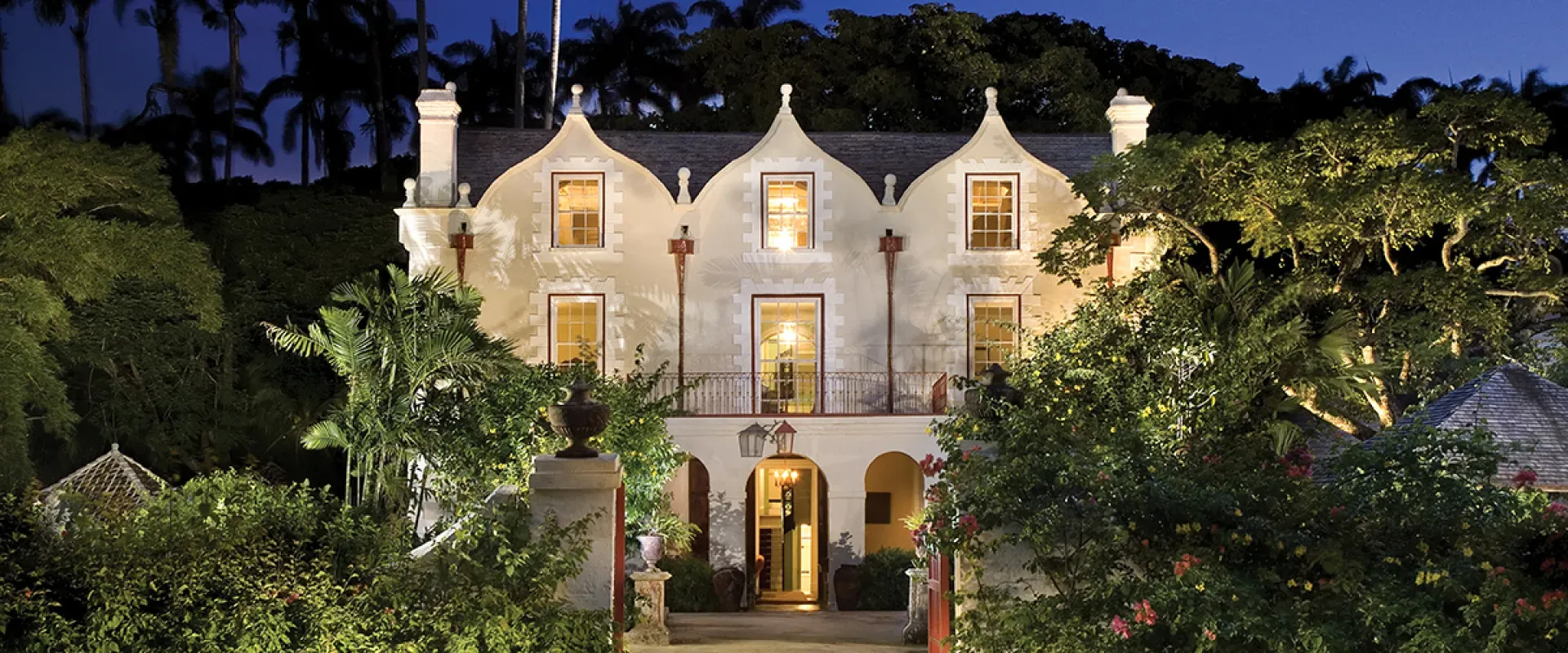
Great Houses of Barbados: St Nicholas Abbey
Murder, Sugar, and a Jacobean Great House
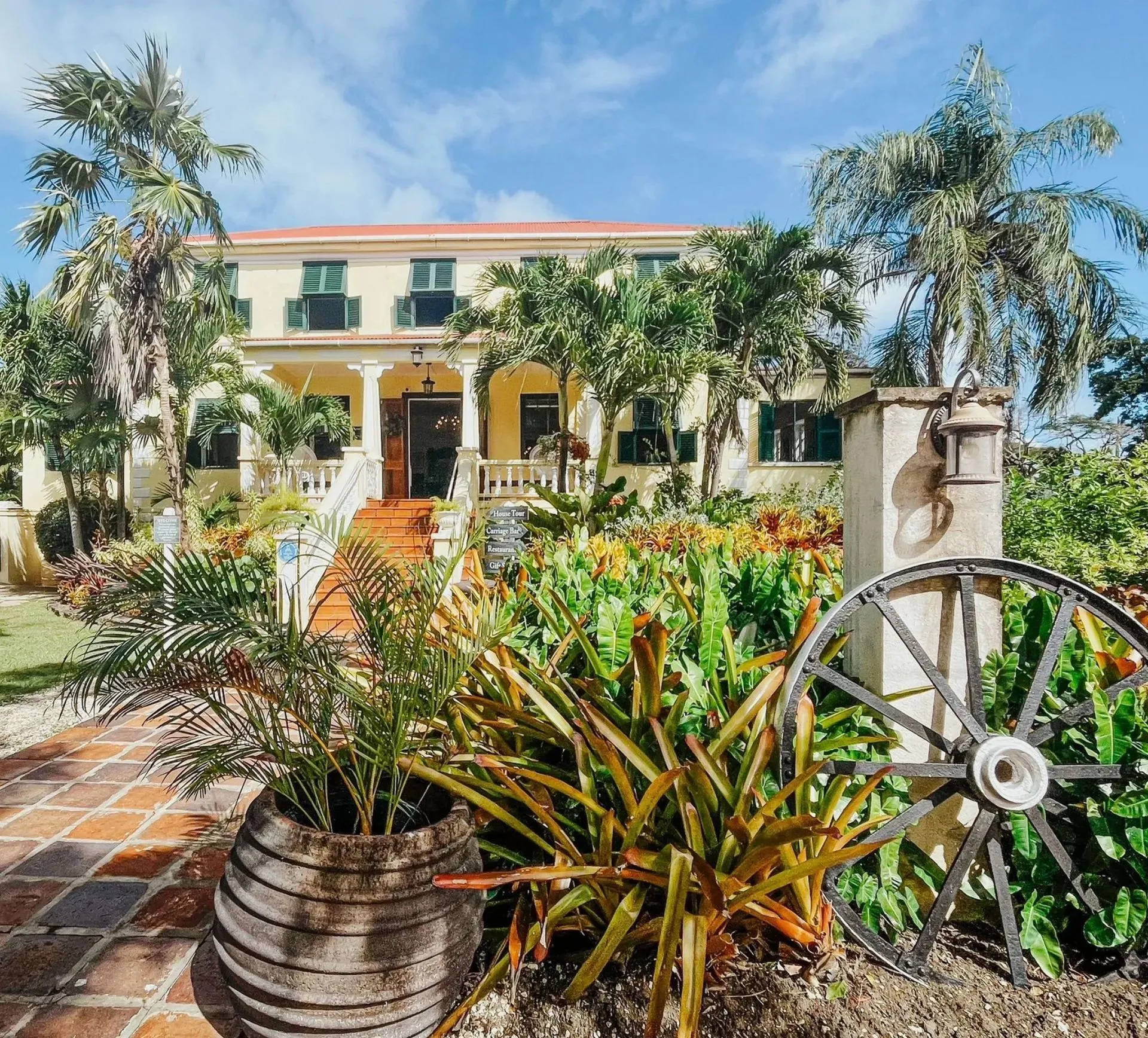
Great Houses of Barbados: Sunbury Plantation
Sugar, Fire, and Three Centuries of Barbadian History