Great Houses of Barbados: St Nicholas Abbey
By Rekke Editorial
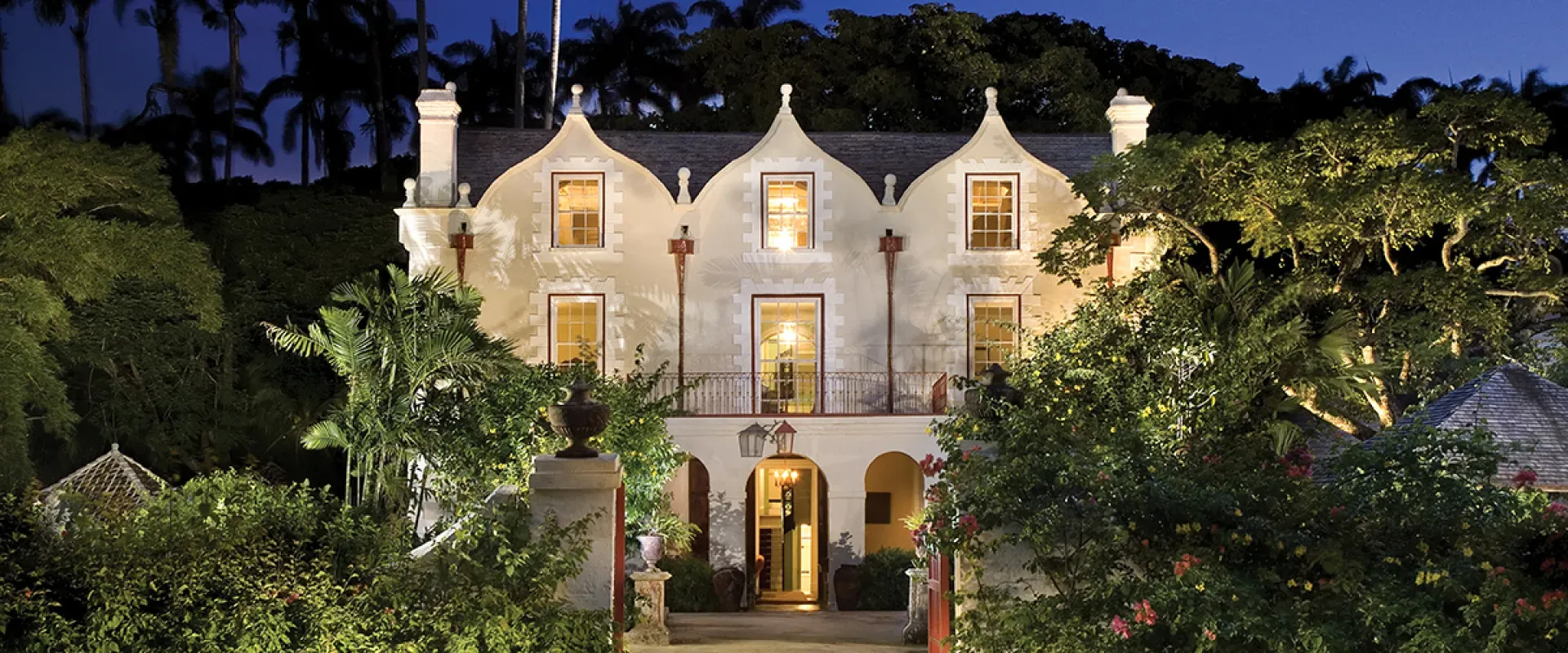
In this series, we explore the Great Houses of Barbados, tracing the architecture, ownership, and history of the plantations that shaped the island's development.
St Nicholas Abbey has a 350-year history marked by intrigue, contested ownership, and economic transformation. Its owners played significant roles in both Barbadian and American history, and the estate reflects the evolution of the Barbados' plantation economy.
Ownership and Early Intrigue
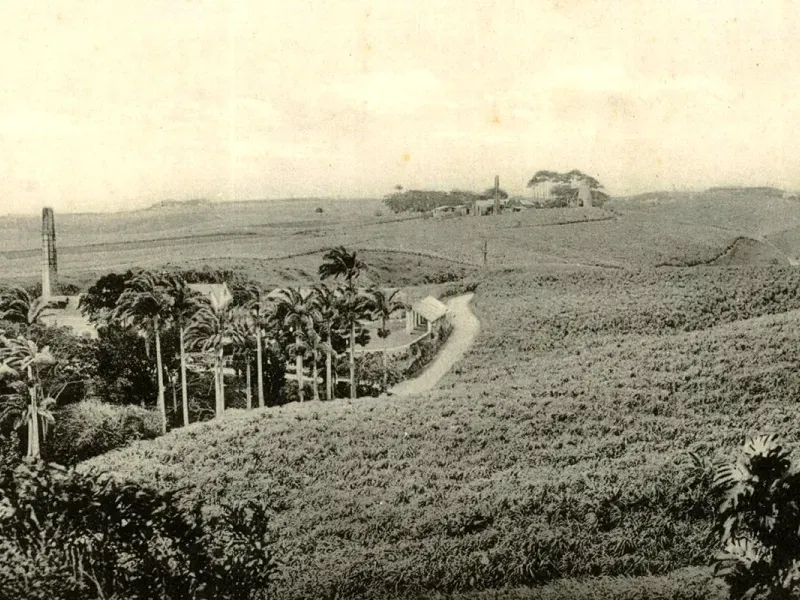
The first settlers arrived in Barbados in February 1627; within ten years, over 6,000 English settlers had arrived. Initial landholdings focused on tobacco and cotton, but competition from America drove planters to seek more profitable crops. When Dutch Jews immigrated from Suriname, they brought the equipment, expertise, and financing necessary to establish the island's sugar industry.
In the mid-17th century, Colonel Benjamin Berringer and Sir John Yeamans owned adjacent properties in Barbados: Berringer's plantation to the north, and Yeamans' to the south. Their estates, together exceeding 365 acres, were the site of frequent disputes over boundaries, intensified by Yeamans' affection for Berringer's wife, Margaret.
Berringer, from an influential English family, arrived in Barbados in 1624. He became a successful planter and a member of the Barbados Council, cementing his status in early colonial society. In 1658, he built a Jacobean great house as a family home for Margaret and their three children. In 1661, after a heated argument, Berringer left for Speightstown and is rumored to have been poisoned by Yeamans, who subsequently married Margaret while she was pregnant with Berringer's fourth child. The two estates merged into Yeamans Plantation.
As a Royalist rewarded after the Restoration, Yeamans became the first Governor of Carolina, sending settlers, including some enslaved Africans from Barbados, to help establish the fledgling colony in 1663. He sailed to America in 1669 with Margaret and their younger children.
Following Yeamans' death in 1674, the property remained in the Berringer family, passing to Margaret's son and subsequently to Berringer's daughter Susannah and her husband George Nicholas. Unwilling to keep the name of her grandfather's assumed murderer on the estate, Susannah renamed it Nicholas Plantation after her husband. It was this name that the Cave family would later build on, adding "St" and "Abbey" — references to St Nicholas Parish in England, where Sarah Cave's family lived, and Bath Abbey, where the couple were married.
The Dottin and Alleyne Era
By the early 1700s, the plantation had adopted windmill-driven sugar production, reflecting the estate's adaptation to Barbados' evolving economy. The windmill, still standing today, exemplifies the technological advances that allowed plantations to remain productive.
Barbados' sugar economy faced challenges from natural disasters, political unrest, English regulation, and global market fluctuations. In the 1720s, falling sugar prices forced the Nicholas family to sell. Joseph Dottin purchased the plantation as a wedding gift for his daughter Christian, who married Sir John Gay Alleyne in 1746. The Dottins were prominent in Barbadian society, traditionally supplying the Deputy Governor of the island.
Sir John Gay Alleyne, a key figure in Barbadian politics and planter society, served as Speaker of the House of Assembly from 1767 to 1797 while managing Mount Gilboa Plantation for his friend John Sober, later renamed Mount Gay in his honor. At St Nicholas Abbey, he modernized the Jacobean great house, adding a triple arcaded portico, sash windows, and an elaborate Chippendale staircase.
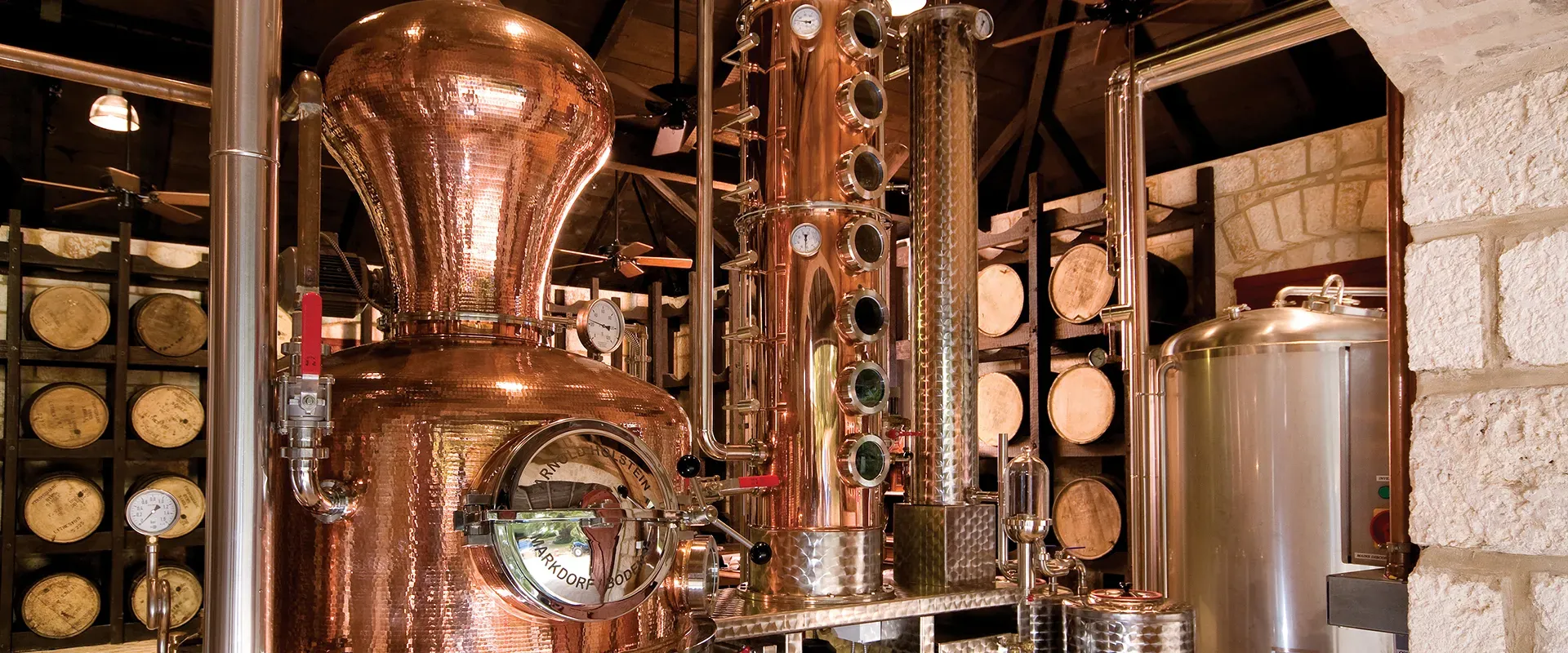
Significantly, Sir John introduced rum distillation alongside sugar production. Early sugar focused on molasses and syrup for export to Europe and the American colonies. Rum became a cornerstone of the plantation's economic success, and today visitors can trace this legacy at the estate's working distillery, which continues to produce small-batch rum using traditional methods.
Slavery, Emancipation & Changing Ownership
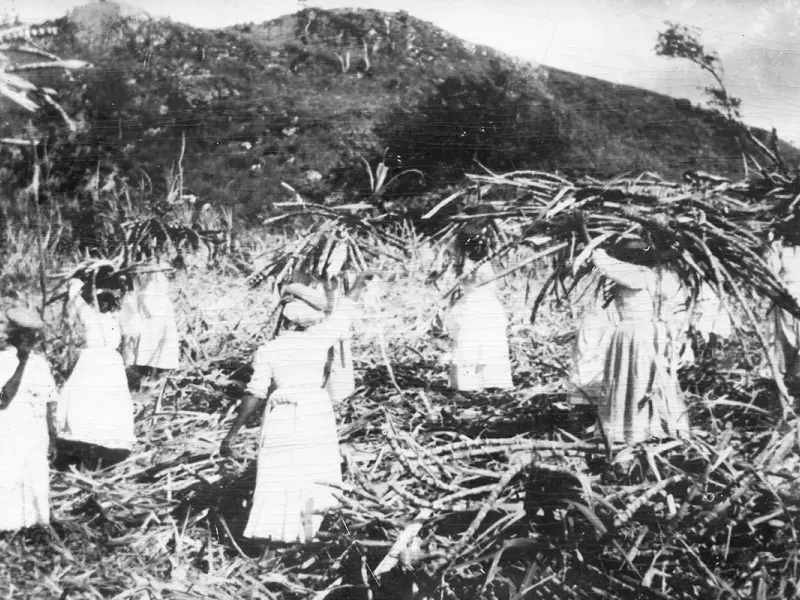
During Sir John's lifetime and beyond, enslaved Africans endured grueling labor in the sugar fields, molasses production, and rum distillation, often under harsh conditions. Incremental English legal reforms, such as the 1805 law recognizing the killing of a slave as murder and the Abolition of the Slave Trade Act in 1807, gradually influenced conditions, but daily life remained extremely difficult.
Following Christian's death in 1782 and Sir John's death in 1801, the estate passed to absentee owners under the Cumberbatch and later Cave families. The property was acquired by Charles and Sarah Cave in 1834, who formalised the estate's present name, St Nicholas Abbey, combining "Nicholas Plantation" with St Nicholas Parish in England, where Sarah's family lived, and Bath Abbey, where the couple were married.
Slavery continued until the Slavery Abolition Act of 1833, with apprenticeship concluding in 1838. Although the Act led to a decline in sugar production across much of the Caribbean, Barbados experienced a temporary increase, strengthening its role in international trade. This growth was largely due to agreements between plantation owners and newly freed labourers: in exchange for a small plot of land and the estate's support in harvesting and transporting crops, freed workers would continue to labour on the plantation during harvest.
19th-Century Innovations
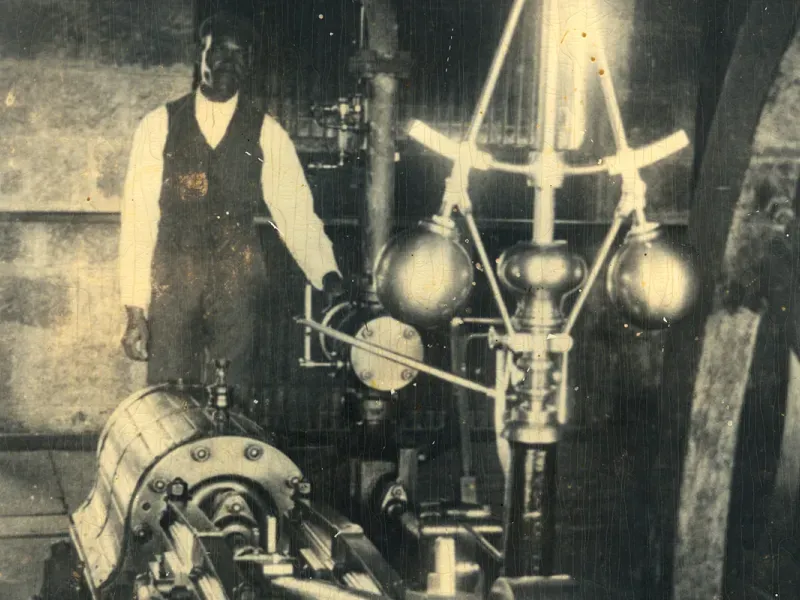
In the late 1800s, steam power was introduced to the local sugar industry. St Nicholas Abbey installed a steam engine in 1890, built by Fletchers of Derby, increasing sugar juice extraction by 10–15% over the traditional windmill. [
Over time, competition from other sugar and rum-producing regions reduced profitability, and the plantation ceased operations in 1947, with the mill and equipment sold as scrap. Restoration efforts by Larry and Anna Warren, including the revival of the steam mill in 2006, preserved both its historic machinery and ongoing rum production, linking the estate's industrial past to its present visitor experience.
Architecture
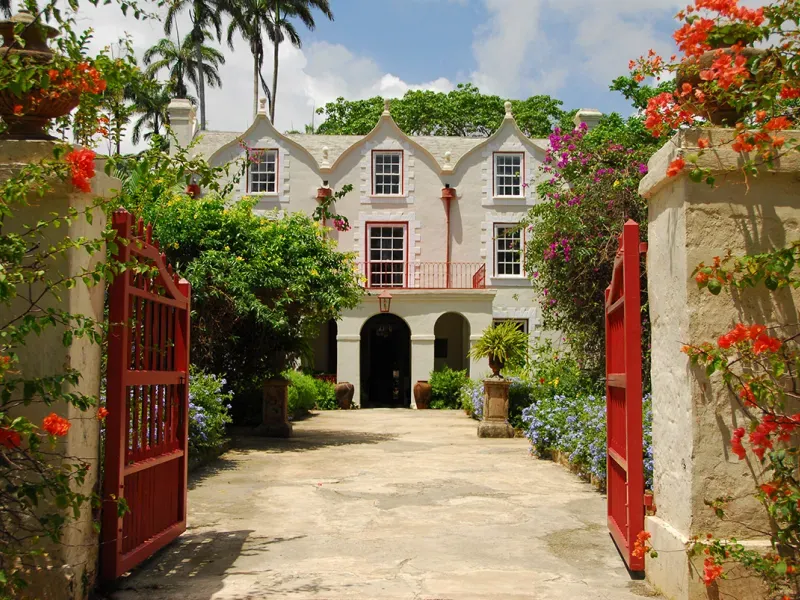
The Jacobean great house at St Nicholas Abbey is an early 17th-century building, blending Tudor and Elizabethan elements with continental Renaissance influences. Curvilinear gables rise above ornamental chimneys, while Tudor arches frame large sash windows that illuminate interiors lined with timber panelling. A sweeping Chippendale staircase leads through the house, and period furnishings reflect the plantation house interior of the era.
Beamed ceilings, decorative cornices, carved wood, wrought iron fittings, and the detail of the staircase characterise the interior. The symmetry, proportion, and scale of the building reflect the ambitions of early colonial construction.
St Nicholas Abbey is one of only three surviving Jacobean mansions in the Western Hemisphere, alongside Drax Hall in Barbados and Bacon's Castle in Virginia, USA.
Landscape, Gardens, and Heritage Railway
Beyond the house, St Nicholas Abbey encompasses formal gardens and rolling grounds, with mahogany trees lining the estate's pathways alongside flowering beds and fruit trees. The gardens offer a sense of continuity with the plantation's working history, and the estate's higher ground provides views across the surrounding cane fields to the distant Caribbean coastline.
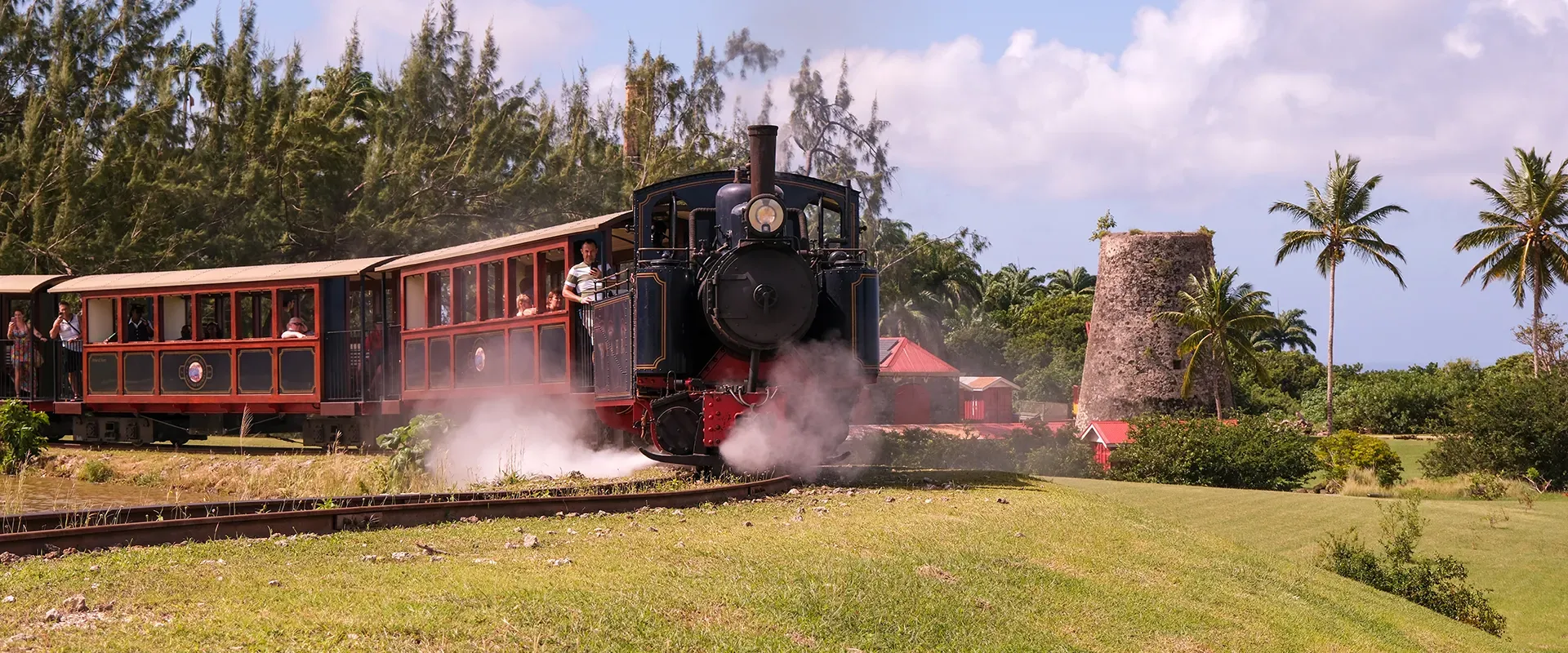
Visitors can also ride the Heritage Railway, a steam train completed in 2018 that winds through the estate's cane fields and gardens. The railway connects the plantation's history with its industrial heritage, and passengers can help operate the turntable at the station, moving the locomotive onto different tracks.
You might also like
Great Houses of Barbados
The History & Legacy Of Barbados’ Great Houses
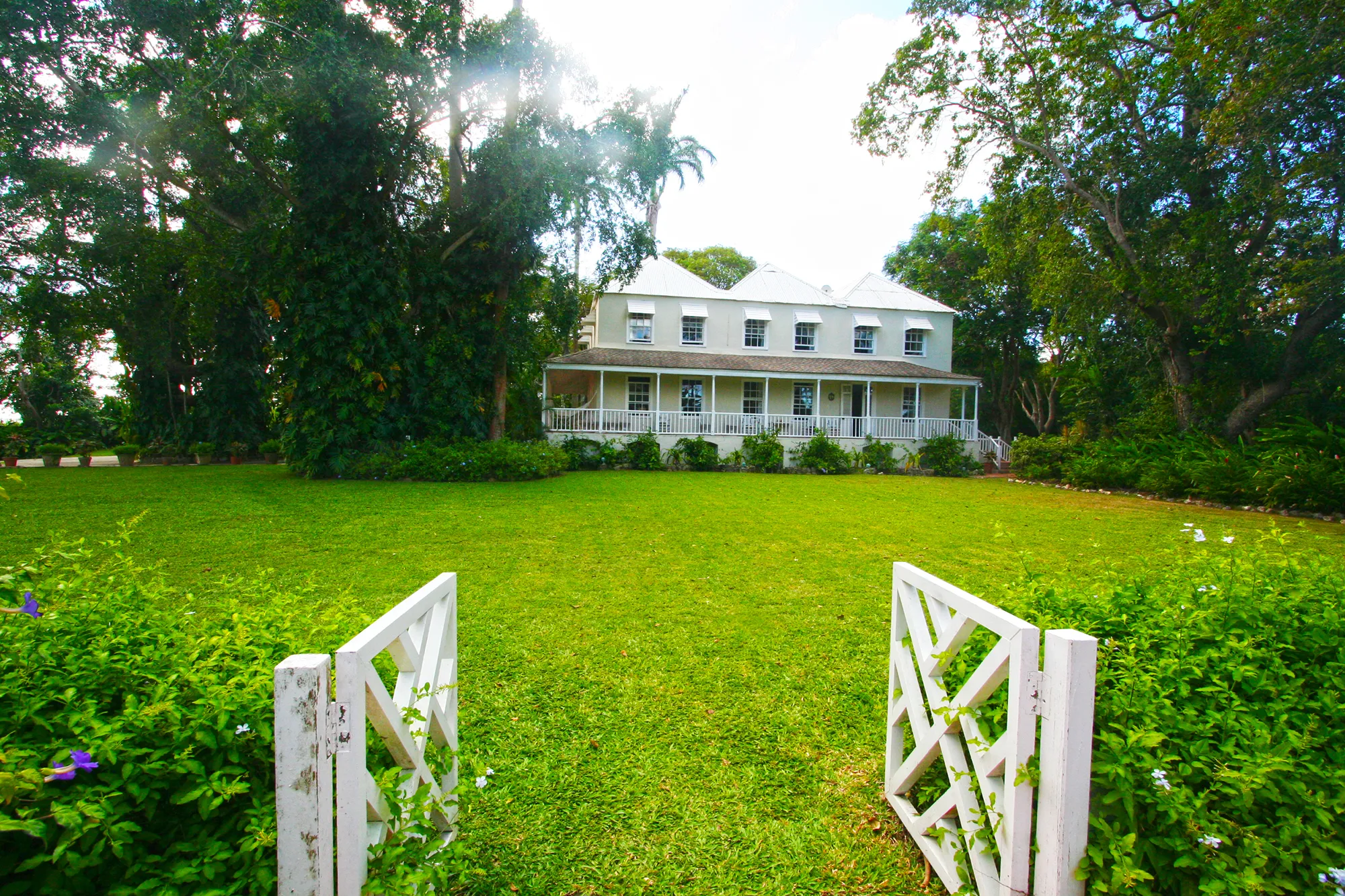
Great Houses of Barbados: Byde Mill
A Plantation Estate Shaped by Reform and Rebellion
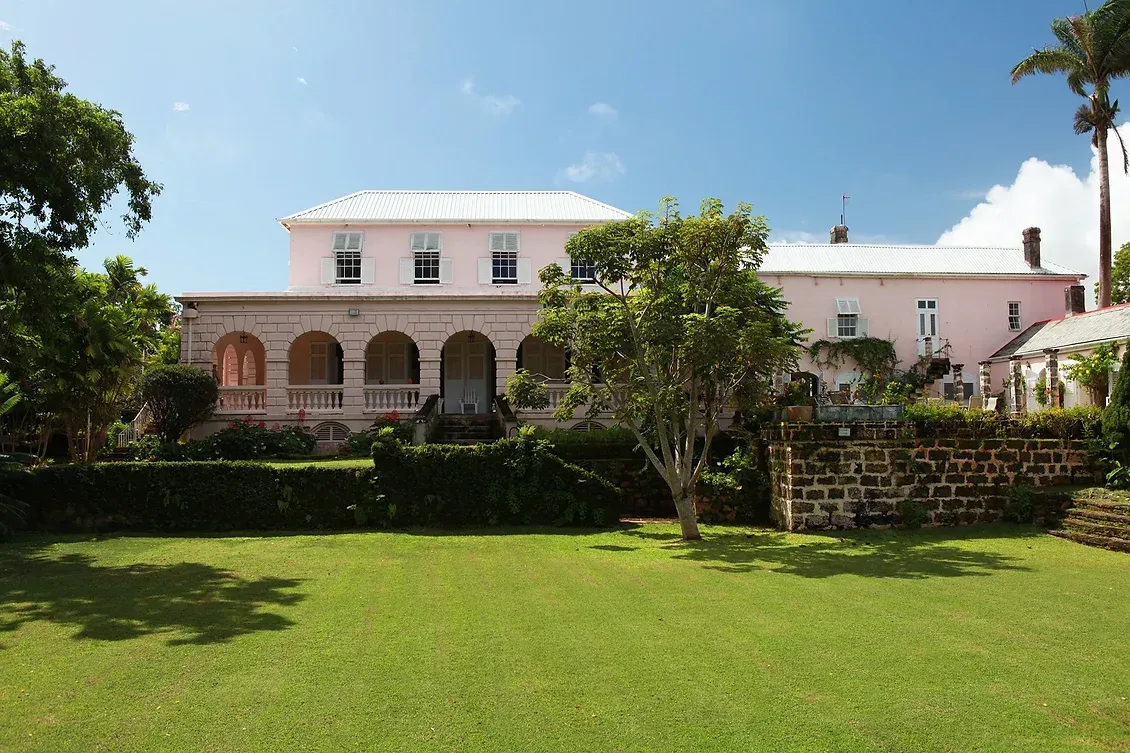
Great Houses of Barbados: Clifton Hall
A Barbadian Estate with Byzantine Roots
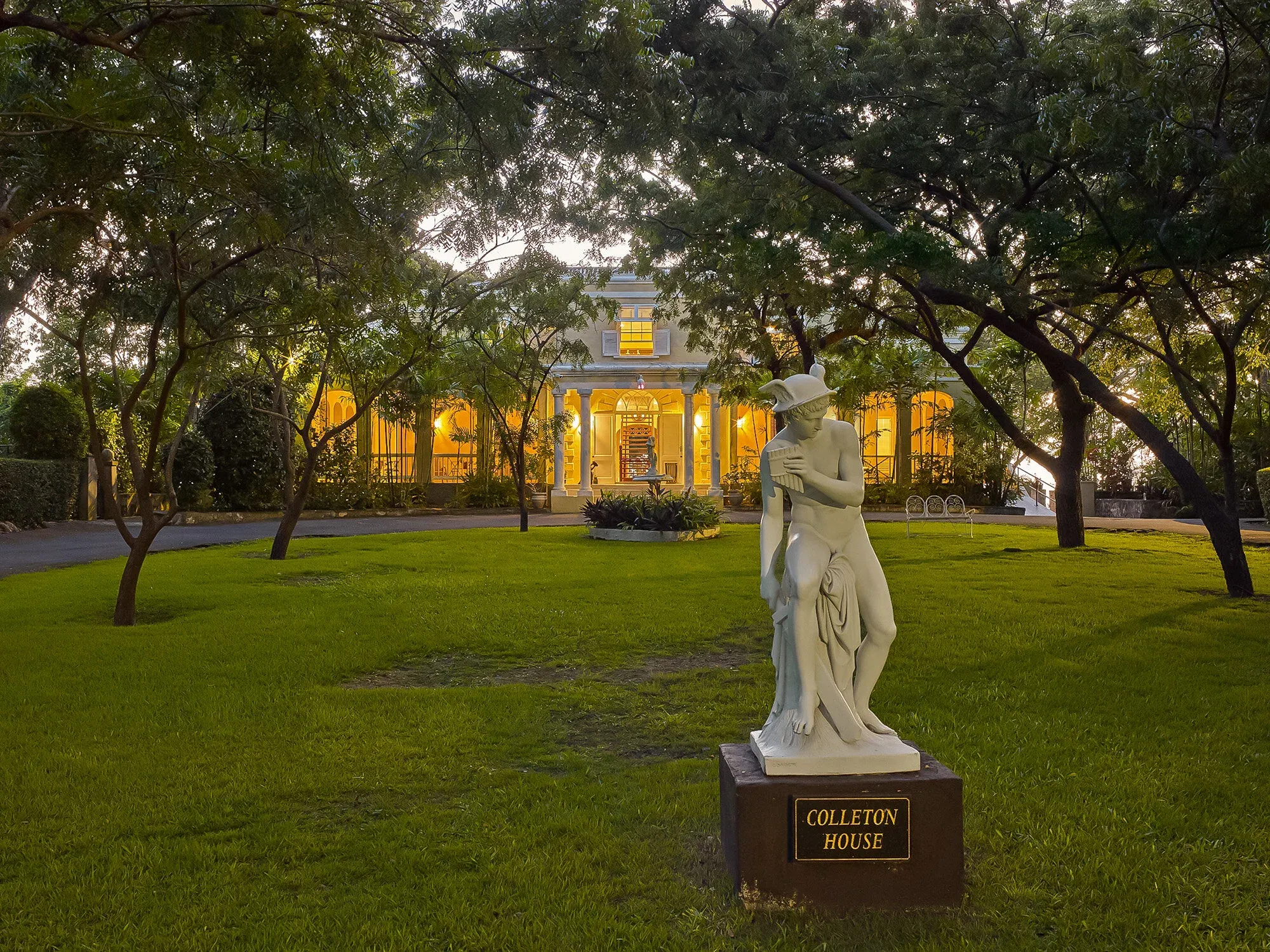
Great Houses of Barbados: Colleton Great House
Colleton Great House: History of a Barbados Plantation Estate
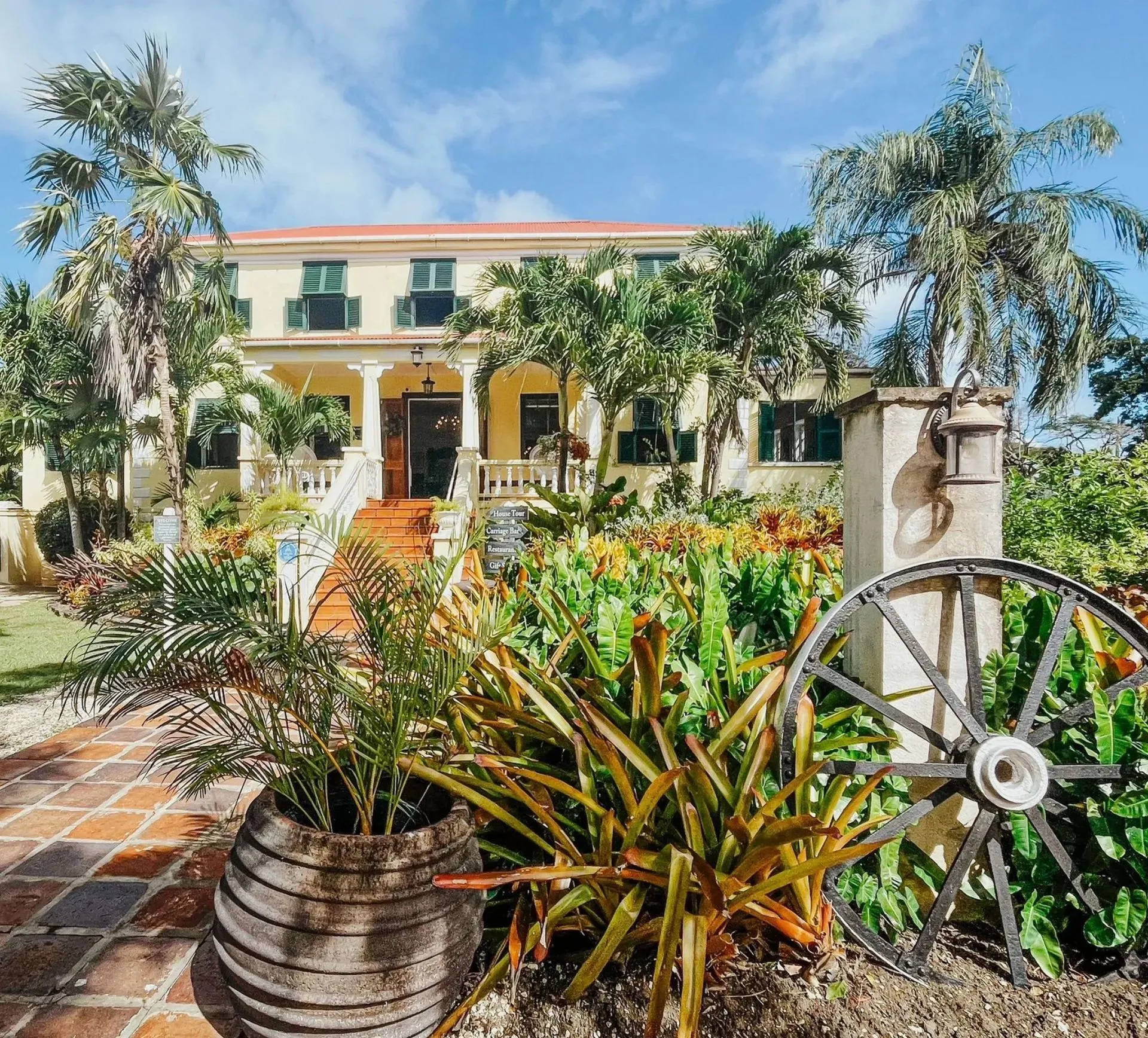
Great Houses of Barbados: Sunbury Plantation
Sugar, Fire, and Three Centuries of Barbadian History
Where did George Washington stay on his only trip abroad?
The Only Trip George Washington Ever Made Outside America