Great Houses of Barbados: Clifton Hall
By Rekke Editorial
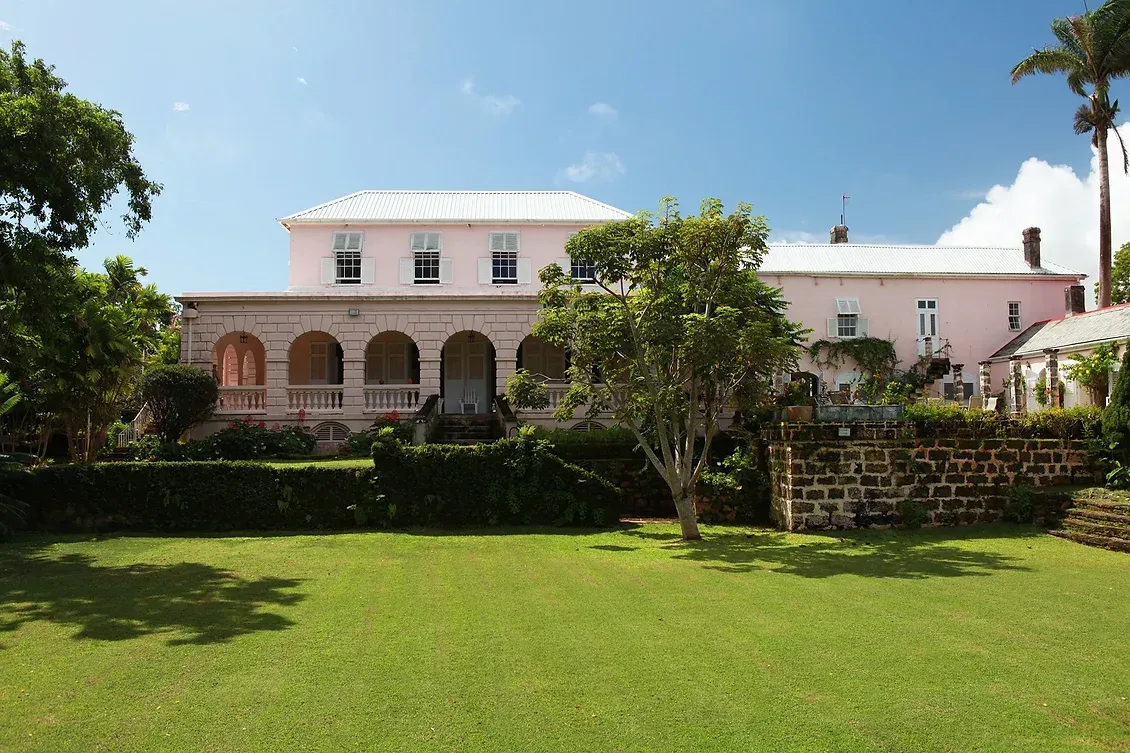
In this series, we explore the Great Houses of Barbados: elegant plantation homes that once stood at the centre of the island’s economic and social life. Among them, Clifton Hall Great House stands out for an unusual reason: its early history is linked to the descendants of the last emperor of Byzantium, a connection that reaches back to the final days of the Byzantine Empire.
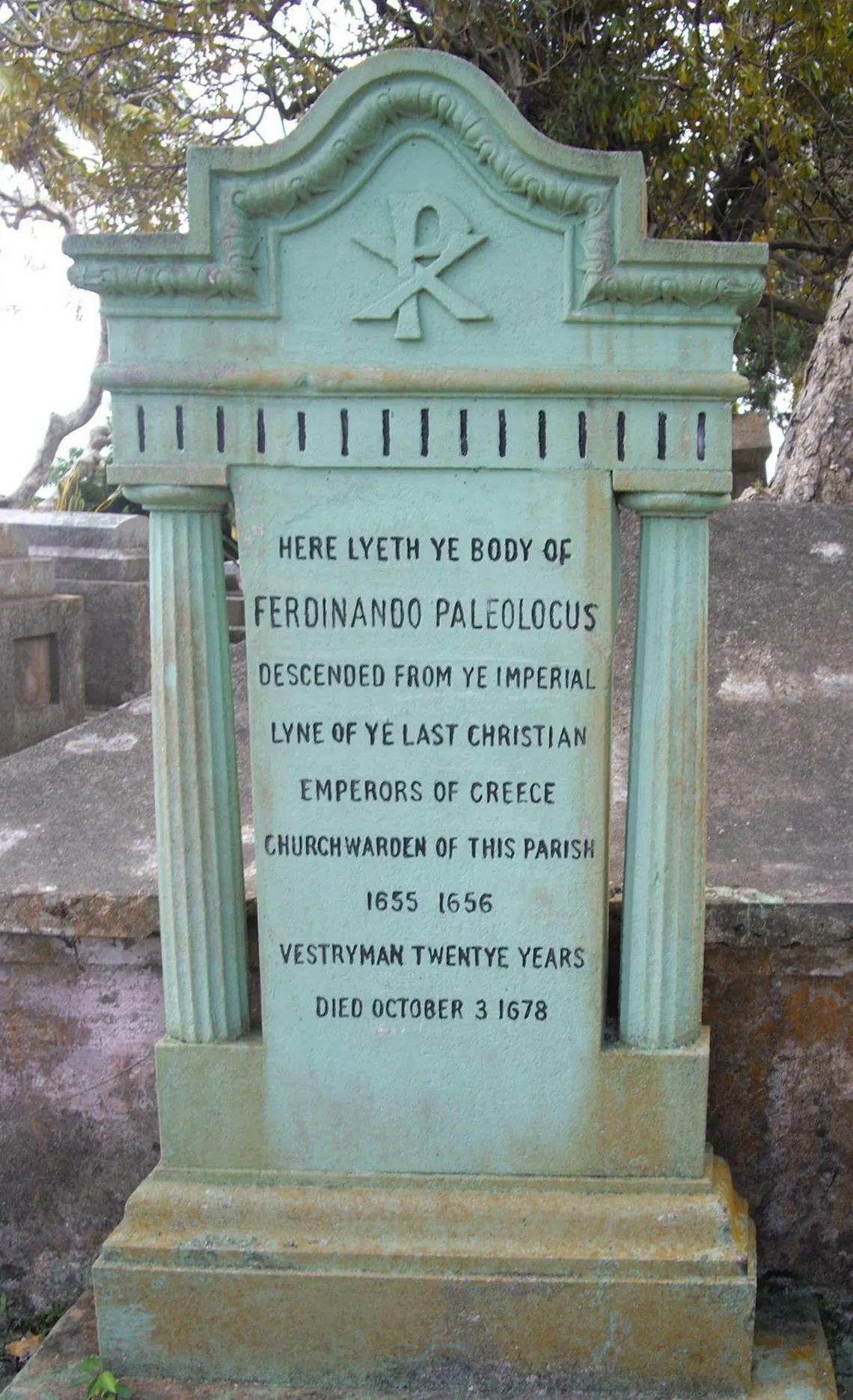
Tombstone photograph by Asia - own work, CC BY-SA 4.0, https://commons.wikimedia.org/w/index.php?curid=80822889
A Link To The Fall Of Constantinople
One of the earliest recorded references to the estate that would later become Clifton Hall Great House appears in 1656, when a mortgage was held by Ferdinand Paleologus, a member of the Palaiologos dynasty, the Byzantine imperial family that included Constantine XI Palaiologos, the last emperor of Byzantium.
Constantine XI ruled until 1453, when he was killed defending Constantinople during the Fall of Constantinople, an event that brought the thousand-year Byzantine Empire to an end.¹ After the fall of the city, members of the Palaiologos family dispersed across Europe.
One branch eventually settled in England. Ferdinand’s father, Theodore Palaeologus, lived in Cornwall and served as a soldier during the early seventeenth century, and Ferdinand himself was born in England in 1619.
By the mid-1600s, Barbados had become one of England’s most prosperous Caribbean colonies, attracting settlers seeking opportunity in the rapidly expanding sugar economy. Historians believe Ferdinand’s move to the island was likely influenced by several factors: economic opportunity in the booming colony, family connections through his mother’s relatives who were already established landowners, and the wider migration of Royalist supporters during the English Civil War, when Barbados remained loyal to the English crown.
The journey of the Palaiologos family from Constantinople to England and eventually to Barbados offers a striking example of how interconnected the early modern world had already become.
Ferdinand settled in the parish of St. John and became an established member of the local community, serving as a vestryman, churchwarden, trustee, militia lieutenant, and surveyor of highways.² When he died in 1678 he was buried at nearby St. John's Parish Church, where his grave can still be seen today.
For many years the significance of his lineage went largely unnoticed. It was not until the nineteenth century that historians studying the churchyard inscriptions recognised the name Paleologus and connected it to the former Byzantine imperial dynasty.³ The discovery revealed that a descendant of Byzantium’s last ruling family had lived and died on a Caribbean island thousands of miles from the empire his ancestors once ruled.
A Plantation in the Sugar Era
During the 17th and 18th centuries, Barbados was transformed by the rapid expansion of sugar cultivation. Plantation estates spread across the island, generating immense wealth while relying on the forced labour of enslaved Africans.
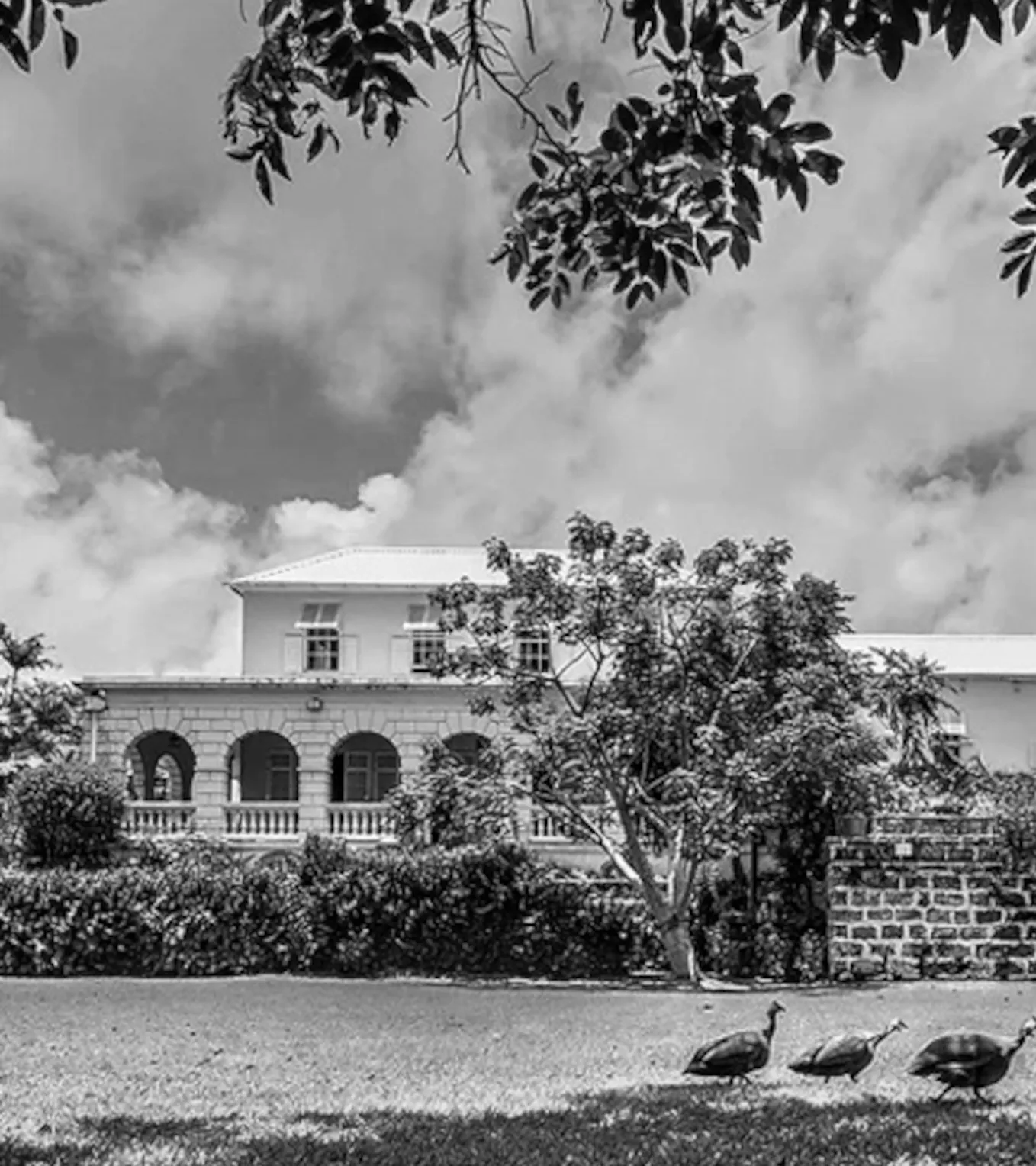
Clifton Hall developed within this plantation landscape. In 1674 the estate was acquired by John Rous, a Quaker landowner whose son, Samuel Rous, expanded the property to roughly 300 acres. By the early nineteenth century the estate had grown further under the ownership of Robert Haynes, who purchased the property in 1810.4
Records from the period indicate that the plantation then encompassed more than 350 acres and was worked by over 150 enslaved people, reflecting the economic structure of Barbados during the height of the sugar industry.5
Later documents from the early twentieth century record the estate under the ownership of George Laurie Pile, when the landholding had expanded to more than 400 acres.
The Architecture of the Great House
Like many Barbadian plantation houses, Clifton Hall evolved over several centuries. Parts of the structure date to the mid-17th century, while later additions introduced elements of Caribbean Georgian architecture that became popular among wealthy plantation owners during the eighteenth and nineteenth centuries.
The house developed into a distinctive multi-winged building that combines earlier defensive forms with the more refined proportions of later colonial design. Its pink façade and elevated setting overlooking the rugged eastern coastline give it a striking presence within the parish of St. John.
Decline and Restoration
By the late twentieth century, the great house had fallen into serious disrepair, reflecting the wider decline of many plantation estates across the Caribbean as the economic importance of sugar diminished.
In 1979 the property was purchased by Barbadian statesman Peter Morgan, who separated the great house from the surrounding plantation lands. Although the building retained much of its original character, it required extensive restoration.
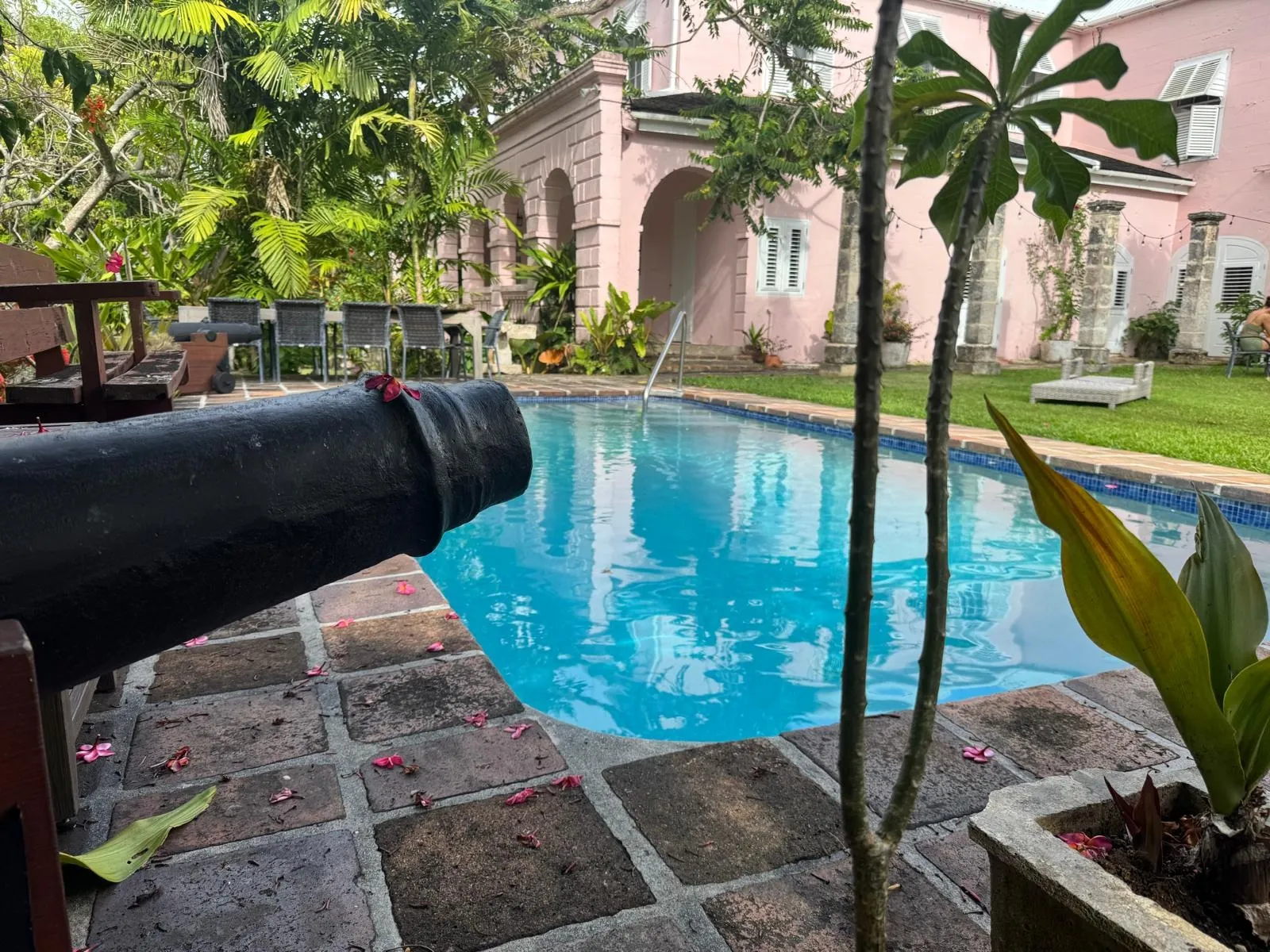
A major renovation began in 2009 under the ownership of Massimo Franchi and Karen Franchi, who undertook a comprehensive programme of repairs and conservation. Structural elements were restored, interiors refurbished, and the surrounding gardens reclaimed, returning the estate to a condition that reflected its historic character while introducing modern comforts.
In late 2024 the estate entered a new chapter when it was acquired by Rob Cottrell and Mary Cottrell, who have continued the careful stewardship of Clifton Hall Great House. Their aim is to preserve the historic character of the property while opening the house and grounds to visitors, ensuring that the estate remains a living part of Barbados’ cultural heritage.
A Continuing Legacy
Today Clifton Hall Great House remains one of the most distinctive historic estates in Barbados. Its history reflects the many layers that have shaped the island — from the global migrations that followed the fall of Byzantium to the rise of the Caribbean plantation economy and the preservation of colonial architecture in the modern era.
As one of the island’s surviving great houses, Clifton Hall offers a tangible connection to these centuries of history and stands as a reminder of how Barbados’ past continues to shape its cultural landscape today.
Sources
- Nicol, Donald M. The Immortal Emperor: The Life and Legend of Constantine Palaiologos, Last Emperor of the Romans. Cambridge University Press, 1992.
- Fraser, Henry. Historic Houses of Barbados. Barbados National Trust, 2014.
- Nicol, Donald M. “The Byzantine Imperial Family in England and Barbados.” Byzantine and Modern Greek Studies, Vol. 12, 1988.
- Fraser, Henry. Historic Houses of Barbados. Barbados National Trust, 2014.
- Dunn, Richard S. Sugar and Slaves: The Rise of the Planter Class in the English West Indies. University of North Carolina Press, 1972
Visit Clifton Hall Great House
You might also like
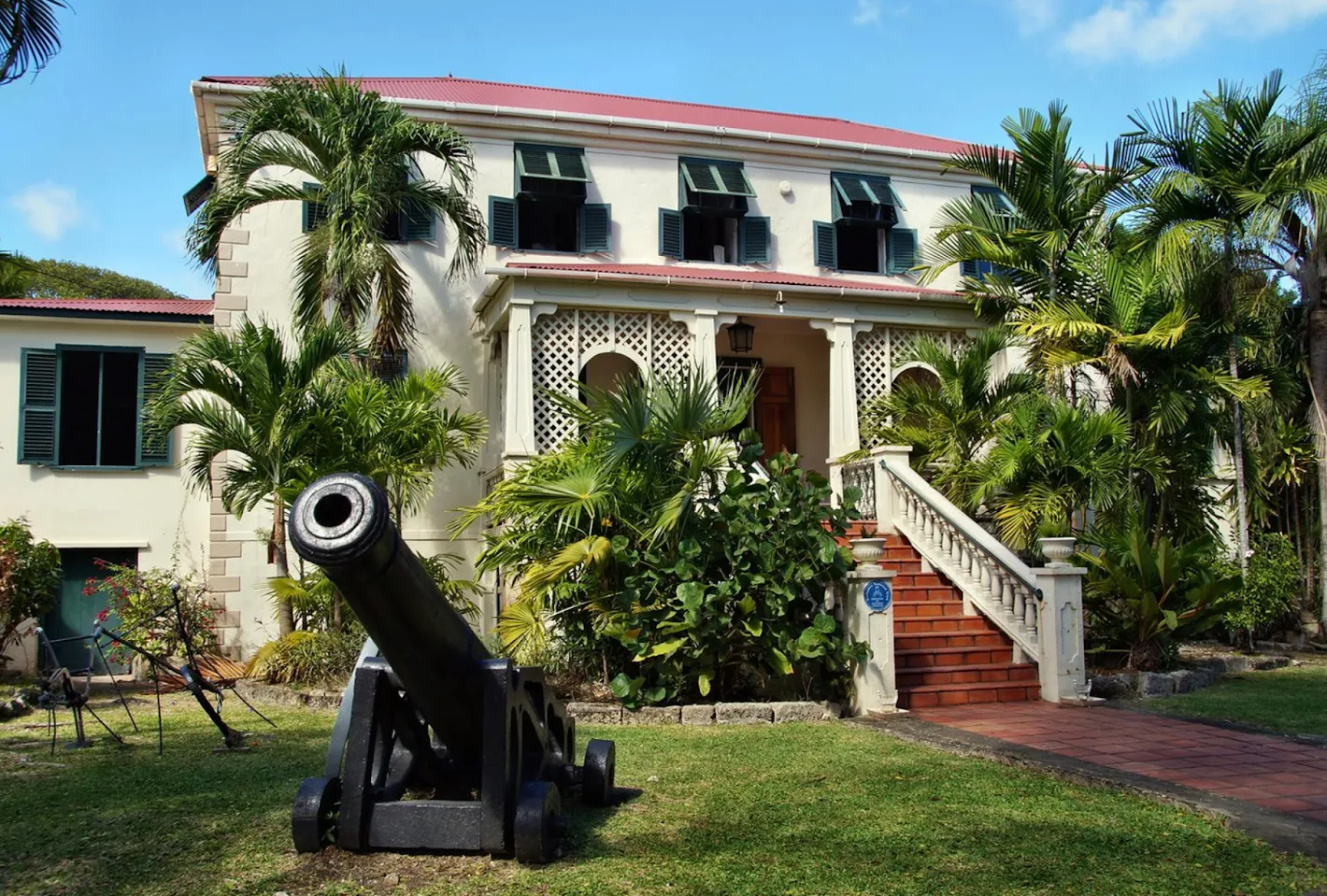
Great Houses of Barbados
The History & Legacy Of Barbados’ Great Houses
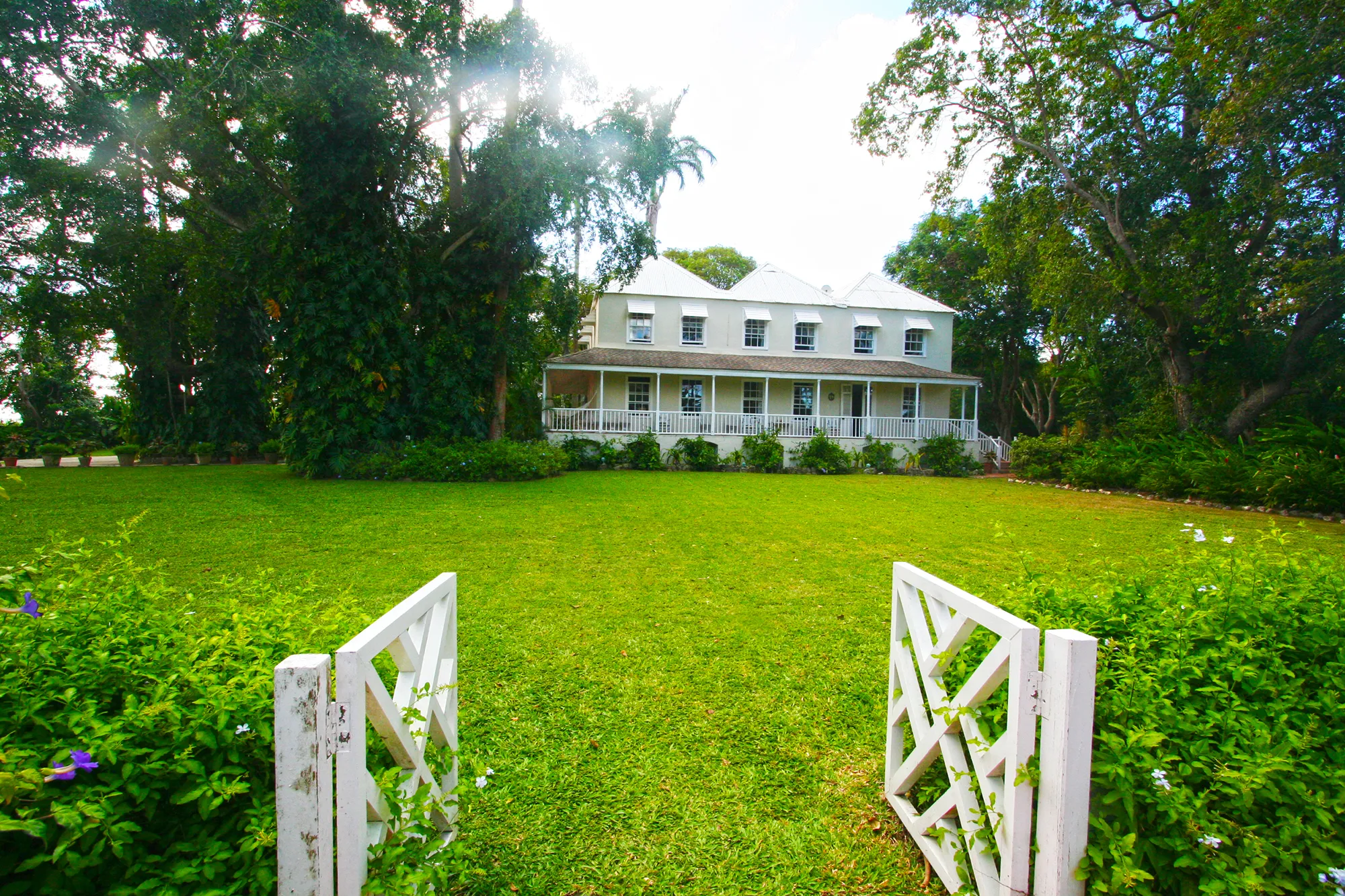
Great Houses of Barbados: Byde Mill
A Plantation Estate Shaped by Reform and Rebellion
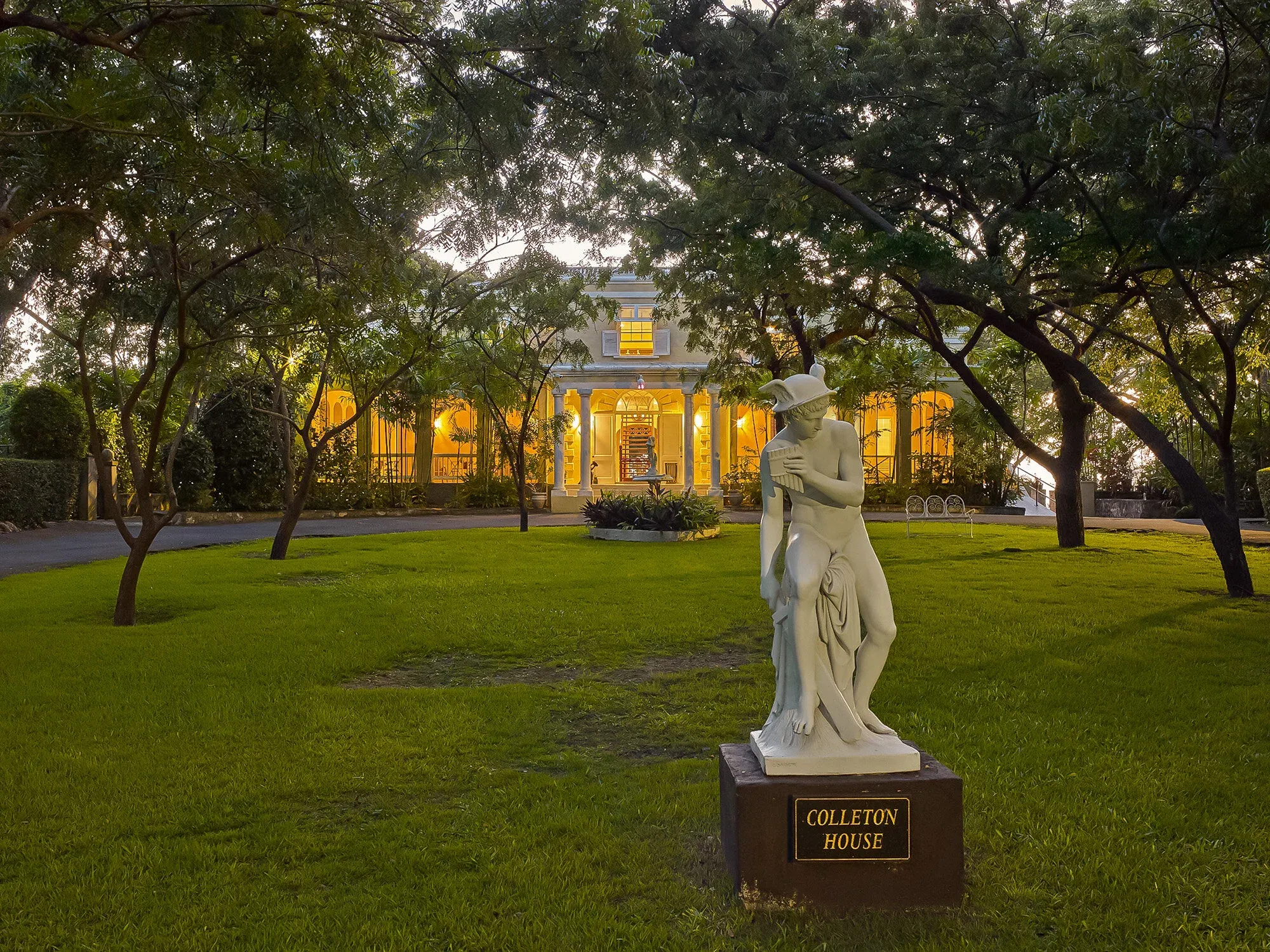
Great Houses of Barbados: Colleton Great House
Colleton Great House: History of a Barbados Plantation Estate
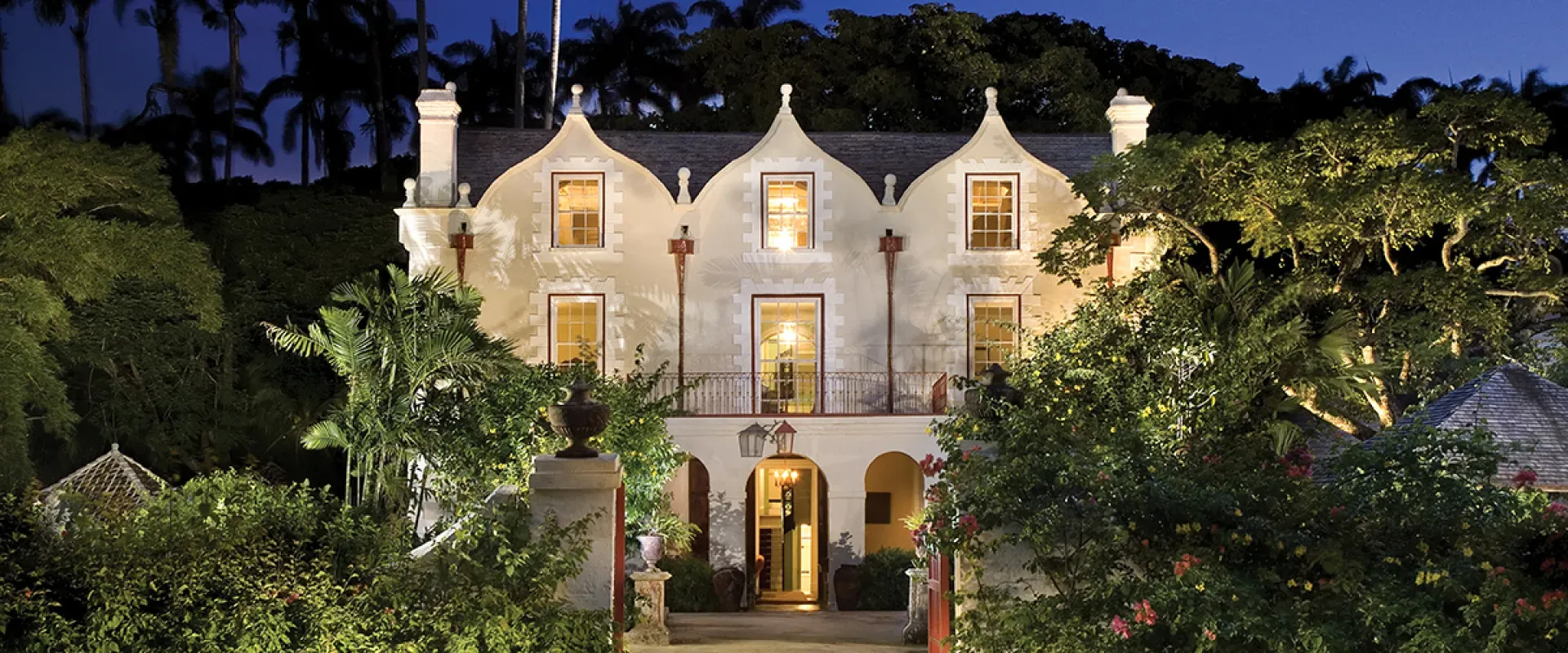
Great Houses of Barbados: St Nicholas Abbey
Murder, Sugar, and a Jacobean Great House
Great Houses of Barbados: Sunbury Plantation
Sugar, Fire, and Three Centuries of Barbadian History
Where did George Washington stay on his only trip abroad?
The Only Trip George Washington Ever Made Outside America