Great Houses of Barbados
By Rekke Editorial
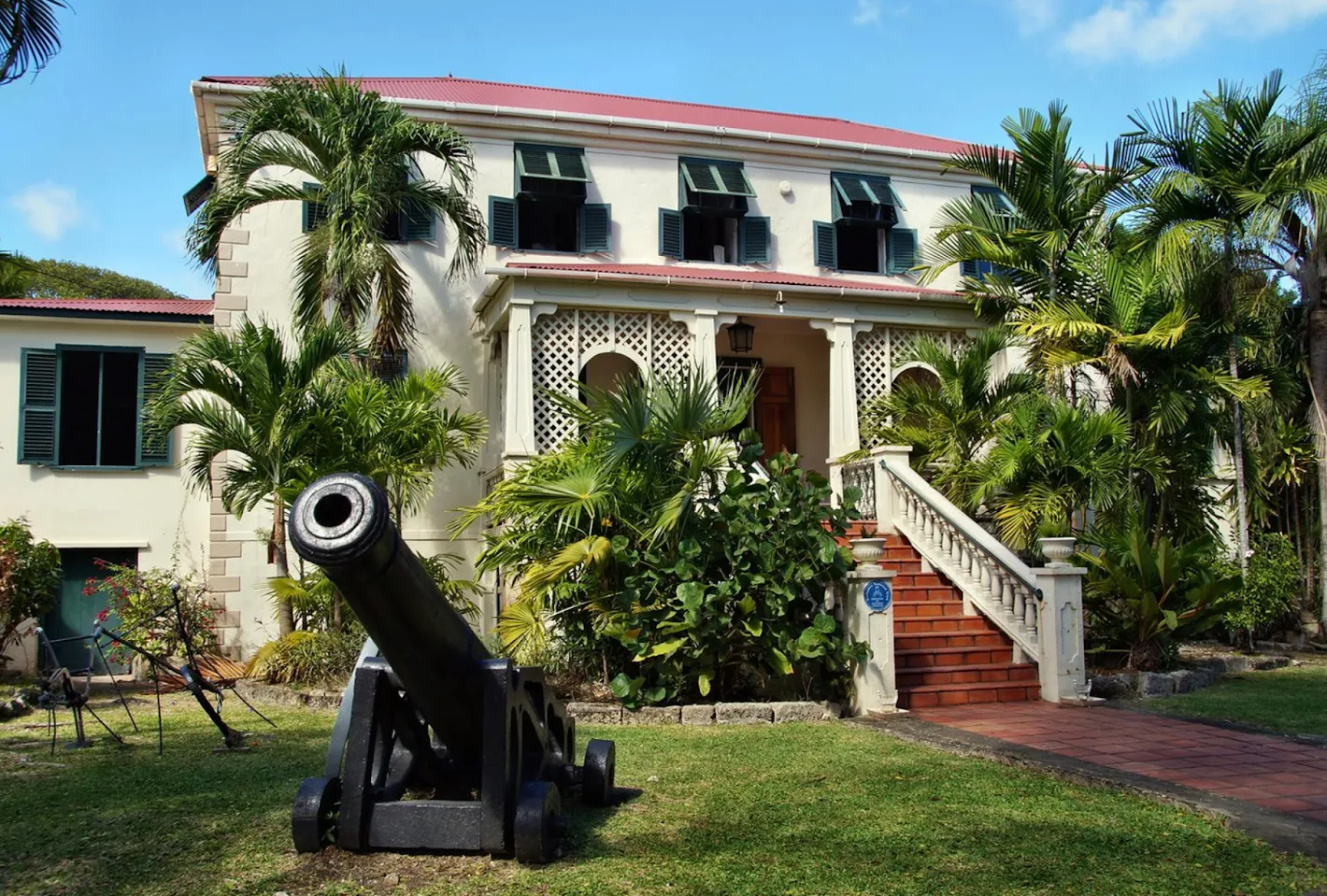
In this series, we explore the Great Houses of Barbados — the grand plantation homes that once stood at the centre of the island’s economic and social life. These houses hide stories of ambition, wealth, and human toil, each offering a window into the complex past that shaped the island. From the Byzantine connection of Clifton Hall to the Jacobean grace of St Nicholas Abbey, the reform-minded legacy of Byde Mill, the colonial power of Colleton Great House, the enduring charm of Sunbury, and the unique international connection of George Washington House, each estate tells its own story.
These houses remain some of Barbados’ most striking architectural landmarks, providing a tangible link to the island’s plantation era while offering insight into the social, economic, and cultural forces that defined the Caribbean.
Origins of the Plantation Houses
The development of Barbados in the early 17th century was closely tied to European colonisation. When the English established a permanent settlement in 1627, the island was rapidly divided into plantations owned by wealthy colonists.
Sugar cultivation soon transformed Barbados into one of the most profitable colonies in the British Empire. Large estates were established across the island, and at the centre of each plantation stood the owner’s residence — the Great House.
These houses were designed both as homes and as statements of status. Often positioned on elevated ground to capture the cooling trade winds, they were highly visible symbols of wealth and authority.
However, the prosperity that funded these grand homes depended entirely on the labour of enslaved Africans. The plantation system that shaped Barbados’ early economy was built upon the exploitation and suffering of thousands of people who were forcibly transported to the island and compelled to work the land.
Architecture of the Great Houses
The architecture of the Great Houses reflects a combination of British design traditions and practical adaptations to the Caribbean climate.
Many feature wide wrap-around verandas that create shaded outdoor living spaces while allowing breezes to circulate freely through the building. Large windows with wooden shutters help regulate light and airflow while providing protection from storms. High ceilings and spacious interior rooms further improve ventilation in the tropical heat.
Decorative columns, sweeping staircases, and carefully landscaped grounds added elegance and reinforced the prestige of the estate owners. Inside, the houses were often furnished with fine mahogany furniture crafted from local timber, along with imported ceramics, silverware, and textiles from Europe and Asia.
The result was a distinctive architectural style that combined colonial grandeur with practical climate-sensitive design.
Wealth and Inequality
During the 17th and 18th centuries Barbados became one of the wealthiest sugar-producing colonies in the British Empire. The prosperity generated by sugar exports allowed plantation owners to build increasingly elaborate homes and estates.
Yet this wealth existed alongside profound inequality. The comfortable surroundings of the Great House contrasted starkly with the harsh and crowded living conditions endured by the enslaved workers who sustained the plantation economy.
Any understanding of the Great Houses must therefore acknowledge both their architectural beauty and the historical system of slavery that made them possible.
The End of the Plantation Era
Britain abolished its participation in the transatlantic slave trade in 1807, and slavery itself was formally abolished across the British Empire in 1834. Emancipation marked a turning point in Barbados’ social and economic history.
In the decades that followed, changes in global markets and declining sugar prices led many plantations to close or be subdivided. Some Great Houses fell into disrepair, while others were adapted for new uses or preserved by later generations.
Over time, the concentration of land and power that characterised the plantation era gradually diminished, and Barbados’ society evolved into the diverse nation it is today.
The Great Houses Today
Today a number of the island’s historic Great Houses survive. Some operate as museums or heritage attractions, while others have been transformed into boutique hotels, private residences, or venues for cultural events.
Together they form an important part of Barbados’ built heritage. Visiting these properties allows modern audiences to appreciate the island’s architectural traditions while also reflecting on the complex history that shaped them.
As we explore the individual Great Houses in this series, each property reveals a different perspective on Barbados’ past — from the grandeur of the plantation era to the stories of the people whose lives were intertwined with these remarkable estates
Prime Examples of Surviving Great Houses
Open to Public
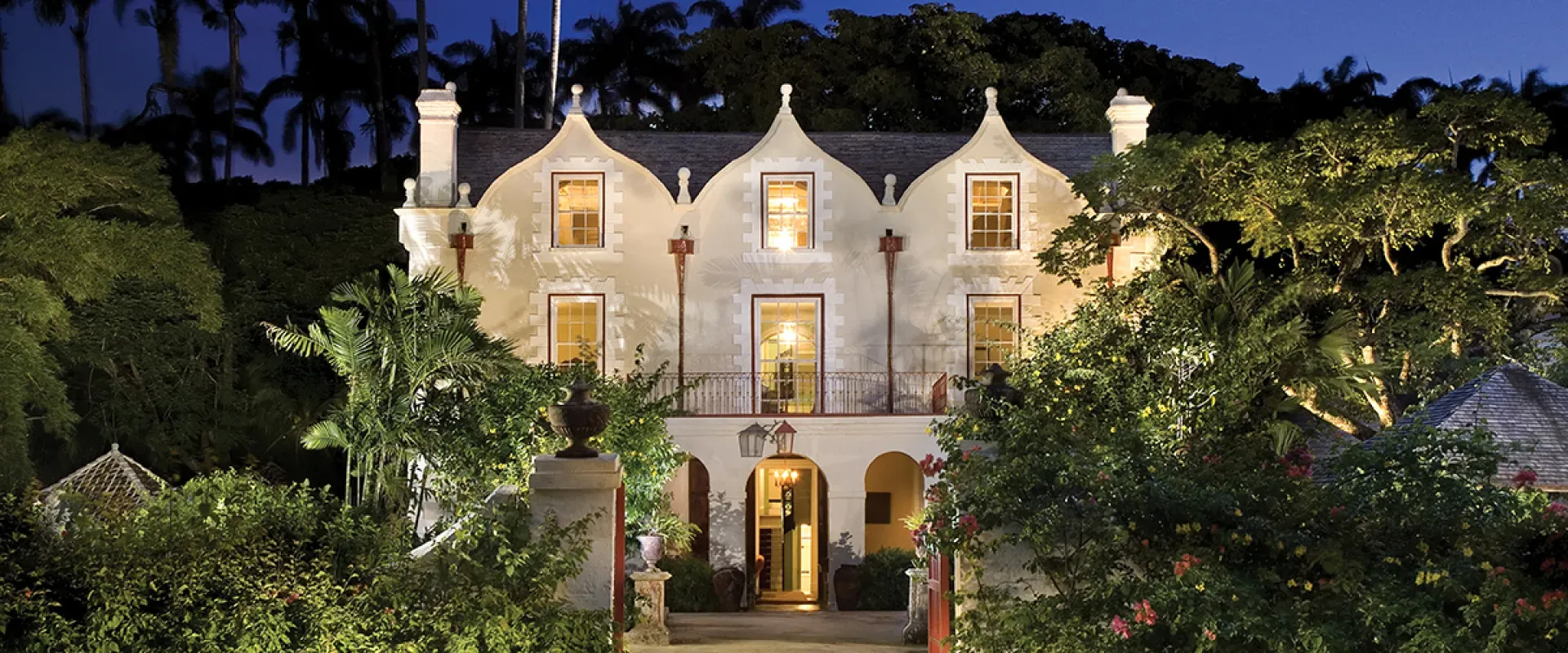
St. Nicholas Abbey
A rare Jacobean-style mansion and one of only a few of its kind in the Western Hemisphere. St. Nicholas Abbey combines over 350 years of history with beautifully preserved architecture, historic steam machinery, and a working rum distillery, offering visitors a unique glimpse into Barbados’ plantation past.
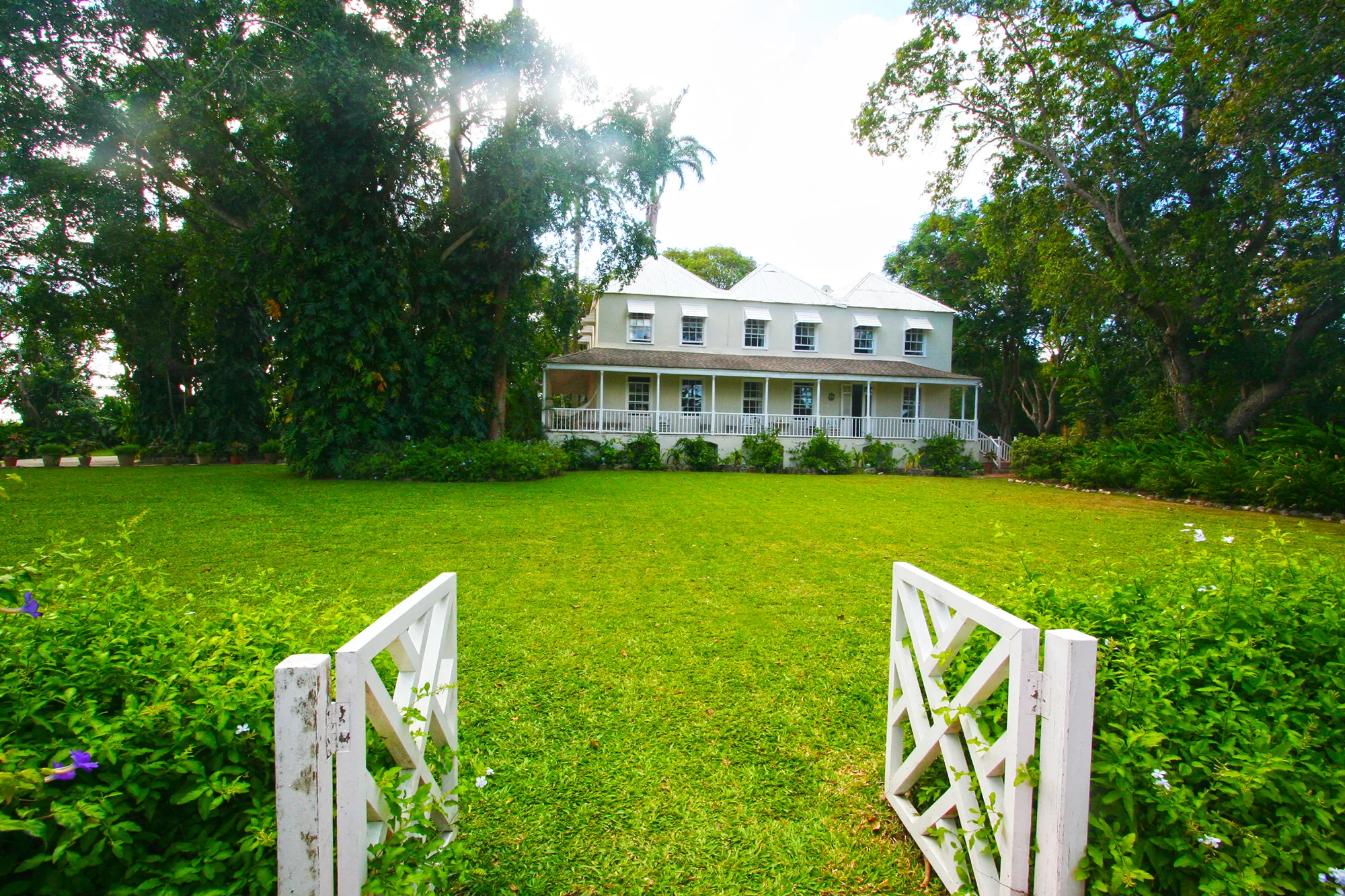
Byde Mill
Set among peaceful gardens, Byde Mill is a historic plantation house and mill reflecting Barbados’ sugar-producing heritage. The estate is also linked to progressive plantation management and the island’s 19th-century social history. Today visitors can explore the grounds, enjoy traditional island cuisine at the on-site restaurant, and relax at the spa while experiencing the charm of this historic estate.
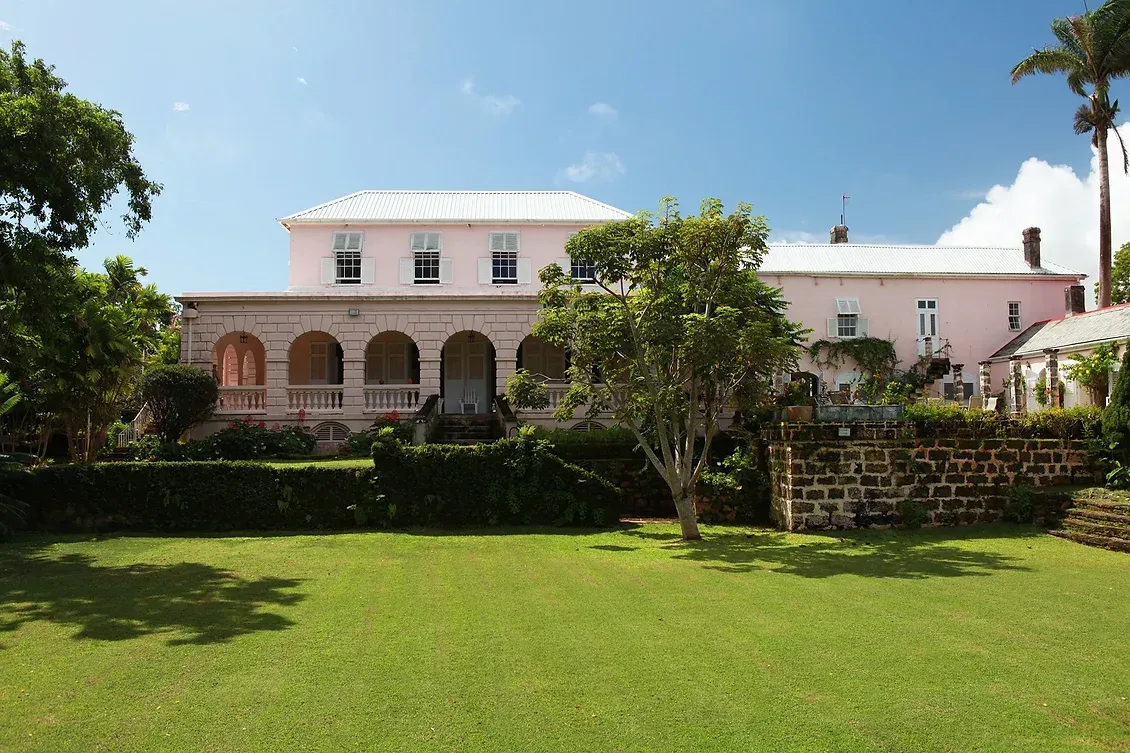
Clifton Hall
A beautifully restored historic estate overlooking Barbados’ rugged east coast. Clifton Hall Great House combines centuries of history with elegant architecture and expansive grounds, offering visitors guided tours, cultural events, and a chance to experience the atmosphere of a classic Barbadian plantation home.
Sunbury Plantation
One of the island’s most complete plantation houses, Sunbury offers a rare glimpse into colonial life. Visitors can explore rooms filled with original mahogany antiques, historic prints, and unique collections such as horse-drawn carriages, preserving the atmosphere of an 18th-century plantation estate and its connection to Barbados’ sugar economy and cultural traditions.

George Washington House
This historic residence is the only place outside the United States where George Washington stayed. Carefully restored and managed by the Barbados National Trust, the house and museum highlight 18th-century colonial life, the bustling port of Bridgetown, and the realities of the plantation economy that shaped Washington’s early experiences.
Hotels and Resorts
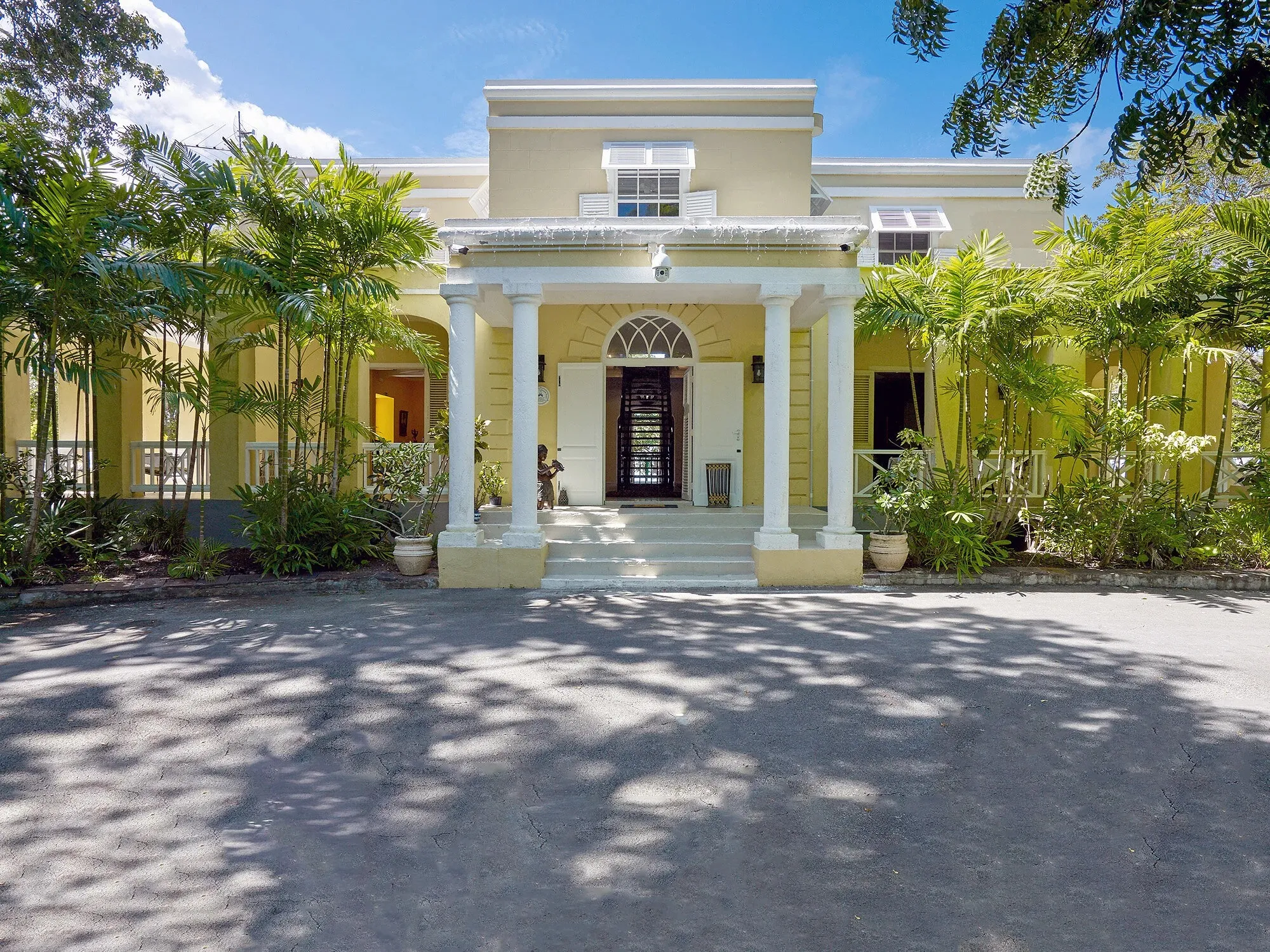
Colleton
Dating back to the mid-17th century, Colleton is one of Barbados’ oldest plantation estates. Surrounded by gardens and mahogany trees, the property combines historic architecture with modern comforts and offers visitors the opportunity to stay in a beautifully restored Great House setting.
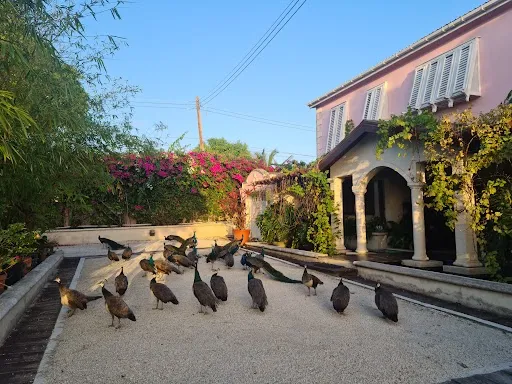
Sweetfield Manor
Built in the early 20th century in the style of a traditional Barbadian plantation house, Sweetfield Manor offers guests a boutique hotel experience. Set within tranquil gardens, the property evokes the elegance and atmosphere of the island’s historic estates without being a historic plantation itself.
You might also like
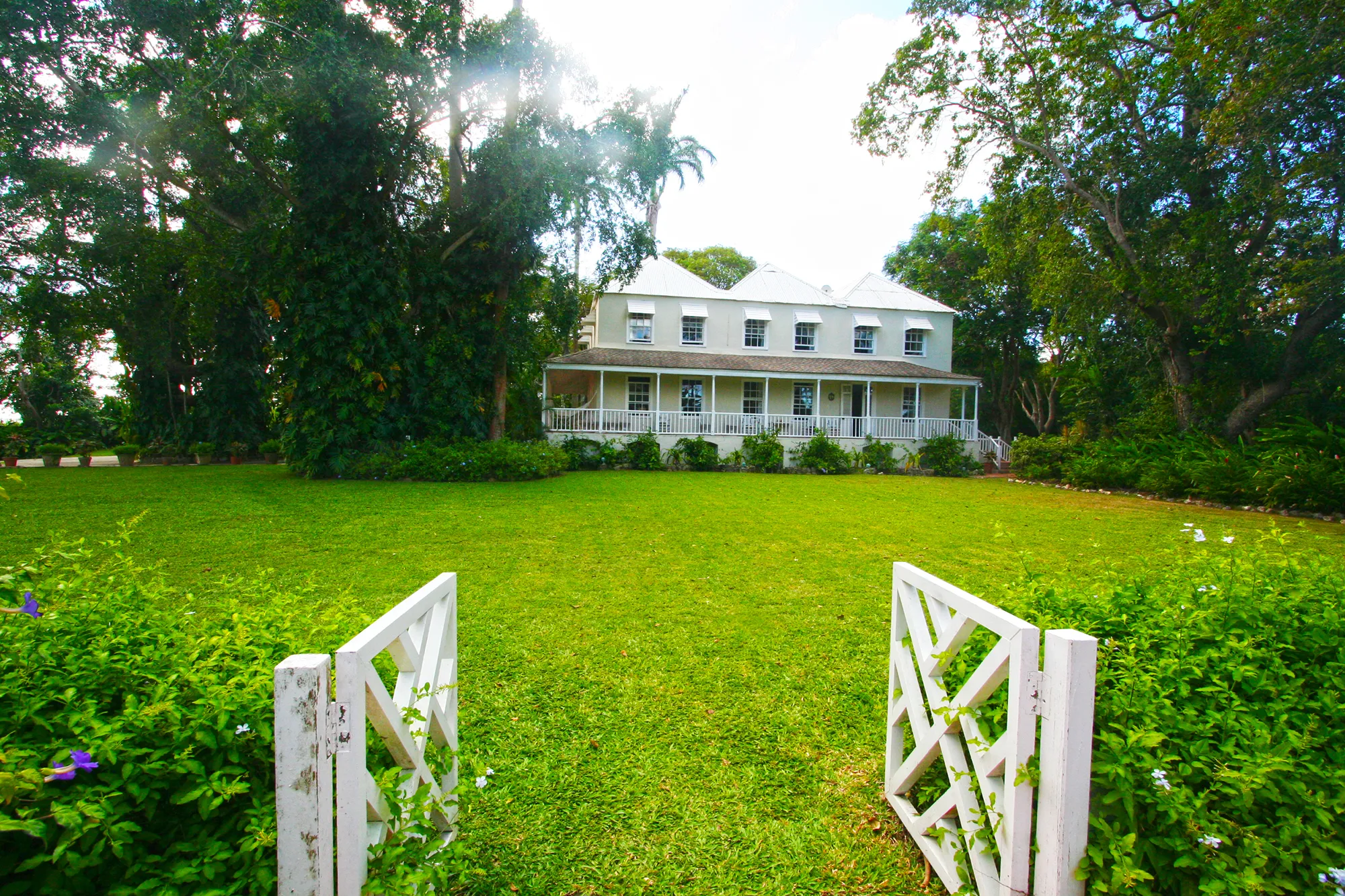
Great Houses of Barbados: Byde Mill
A Plantation Estate Shaped by Reform and Rebellion
Great Houses of Barbados: Clifton Hall
A Barbadian Estate with Byzantine Roots
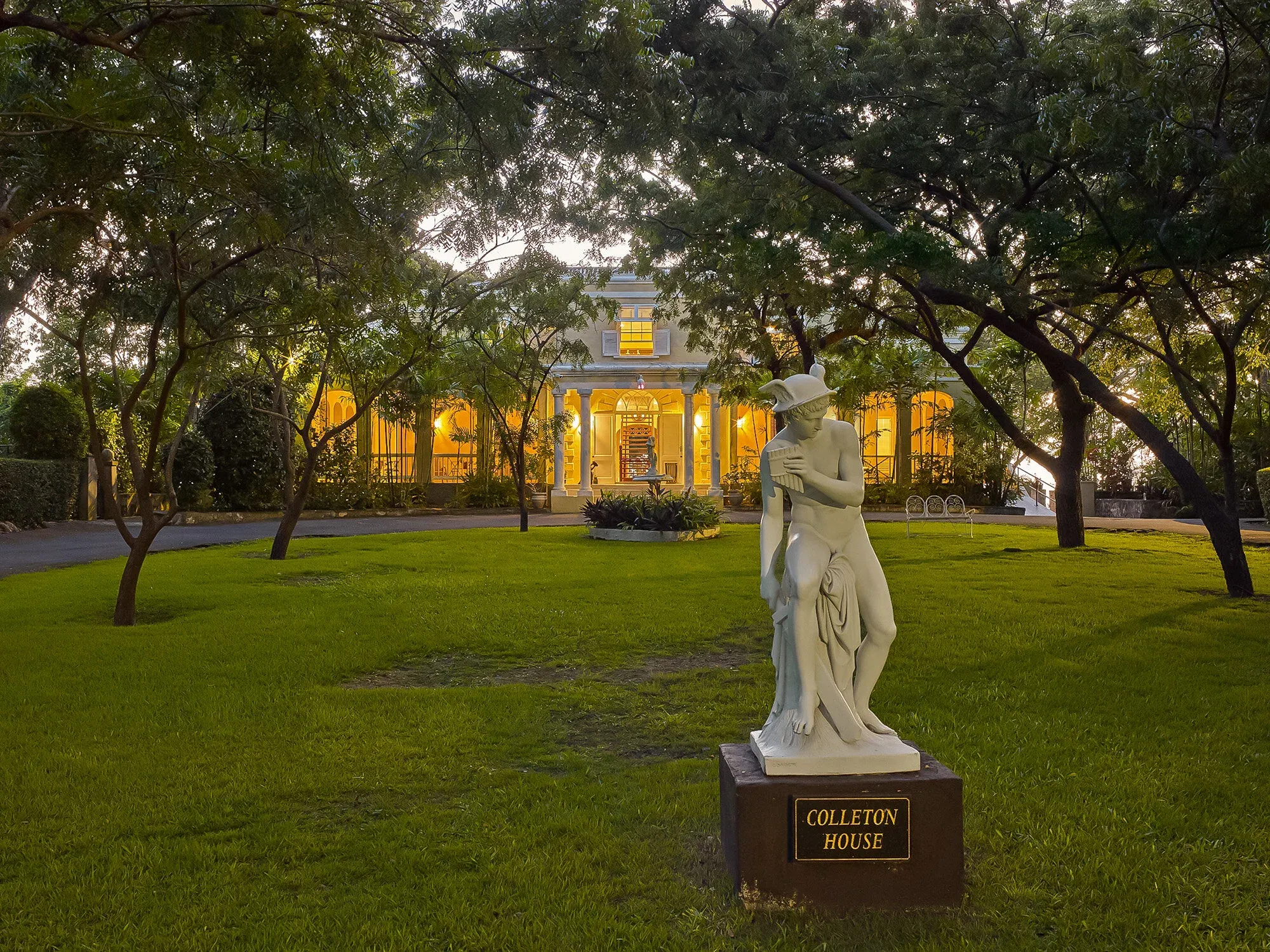
Great Houses of Barbados: Colleton Great House
Colleton Great House: History of a Barbados Plantation Estate
Great Houses of Barbados: St Nicholas Abbey
Murder, Sugar, and a Jacobean Great House
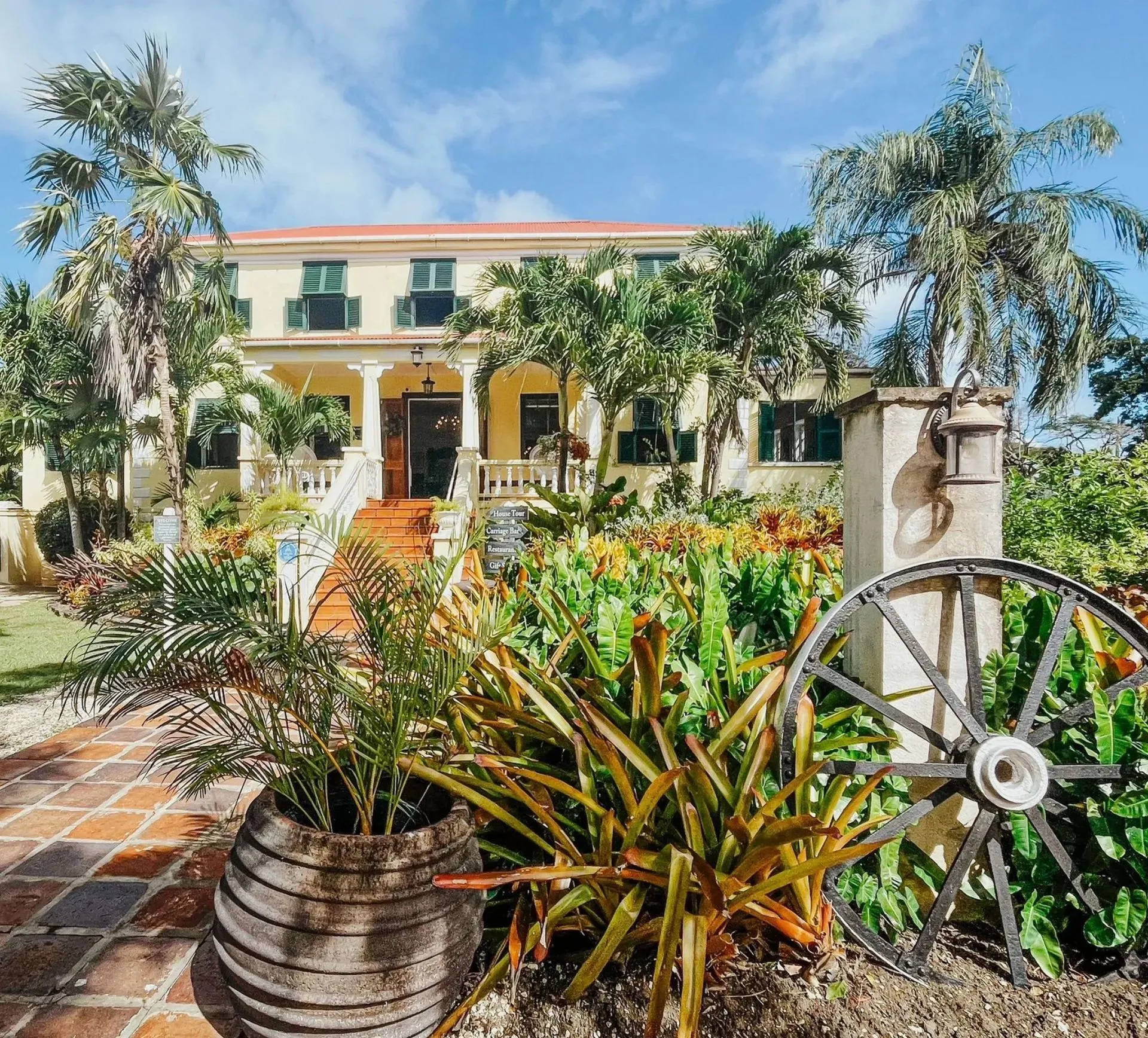
Great Houses of Barbados: Sunbury Plantation
Sugar, Fire, and Three Centuries of Barbadian History
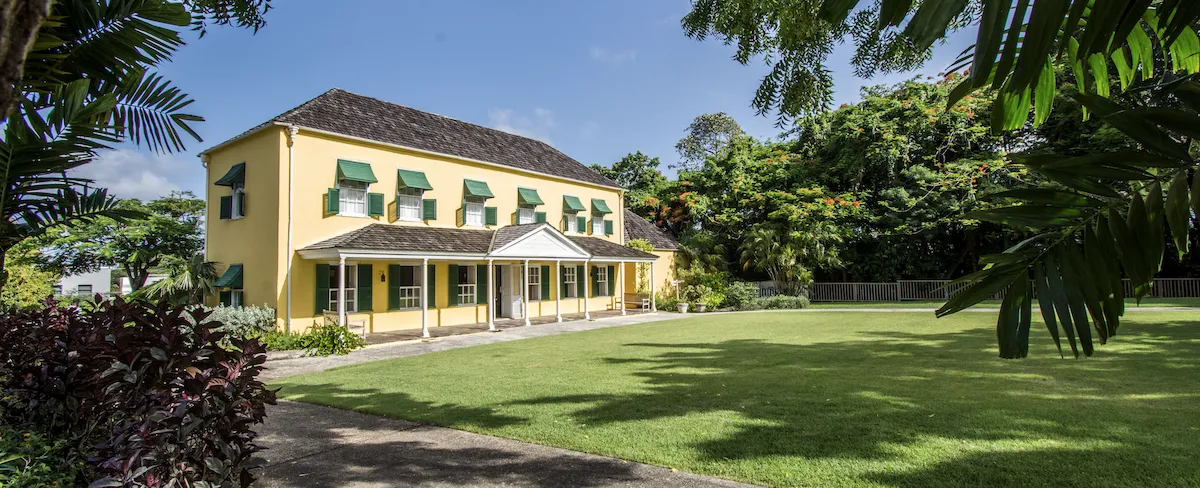
Where did George Washington stay on his only trip abroad?
The Only Trip George Washington Ever Made Outside America