Great Houses of Barbados: Byde Mill
By Rekke Editorial
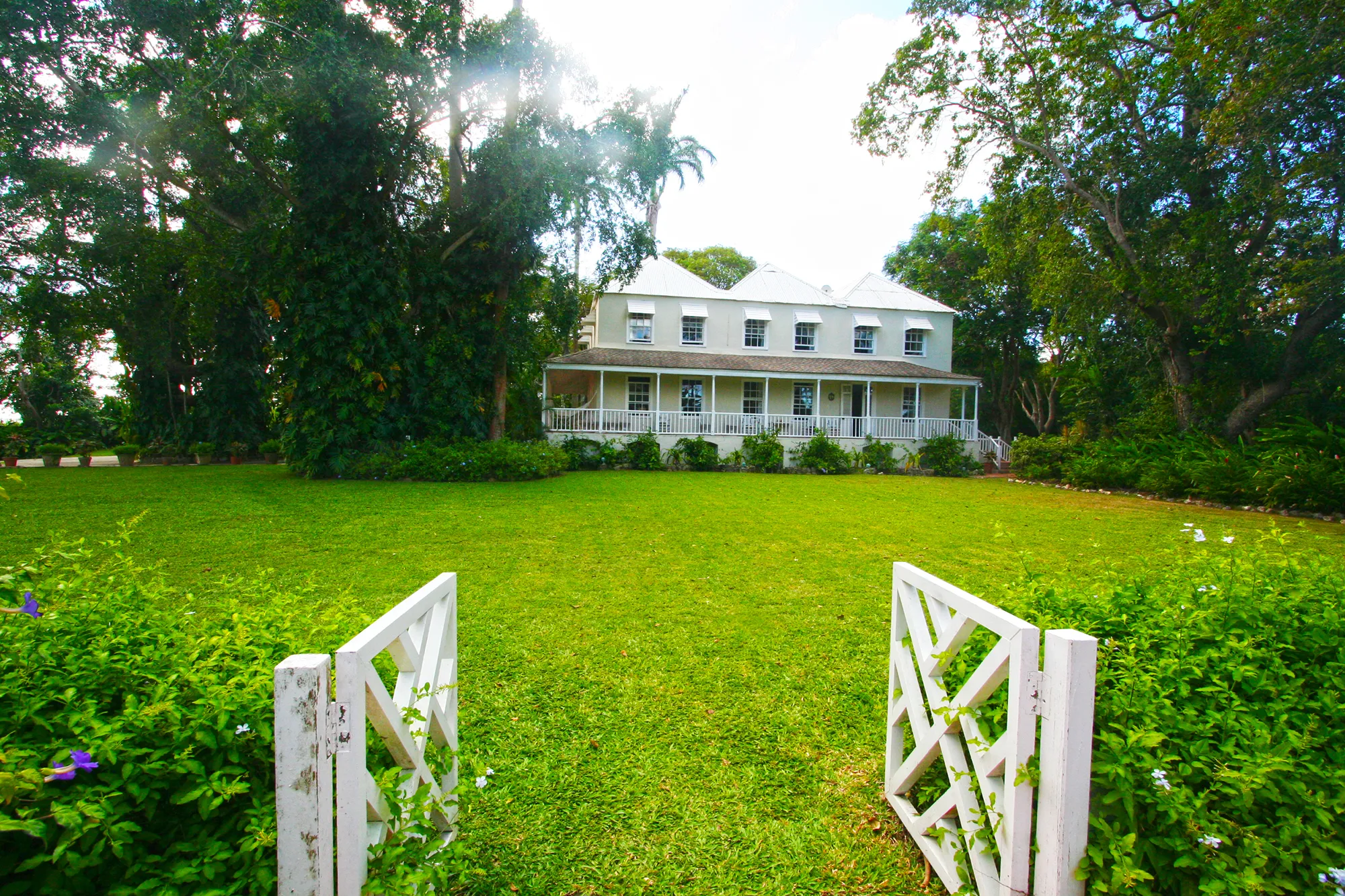
In this series, we explore the Great Houses of Barbados: elegant plantation homes that once formed the center of the island’s economic and social development.
This feature highlights Byde Mill, one of the oldest and most historically significant houses of the plantation era. The estate dates to shortly after the devastating hurricane of 1831, though records reference the property as far back as 1670.¹
Set atop a gentle knoll in the St. George Valley, the three-story coral stone plantation house is surrounded by manicured gardens and sweeping sugar cane fields — once the source of the estate’s income. Uniquely positioned across the parish boundaries of St. George, St. John, and St. Philip, the property enjoys expansive views stretching toward the south and southeast coasts.
While there is no written record confirming the origin of the name Byde Mill, local tradition suggests it derives from its position “by de mill,” referring to the historic sugar mill that once stood as a prominent landmark on the estate.
A Progressive Chapter In Plantation History
In the 1700s, the Hon. Joshua Steele, a wealthy Englishman, leased the property. By the standards of the time, Steele was considered progressive. Troubled by the institution of slavery, he introduced reforms aimed at improving living and working conditions on his estates, including a system of structured self-governance among the enslaved population.²
Steele lived at Byde Mill until his death in 1796 with his partner, Statia, an enslaved woman with whom he had two children. Though he willed his estate to them, the courts overturned the bequest. Anticipating this possibility, Steele had arranged for their transport to England, where they would live free.
Byde Mill was also linked to the unrest of the 1876 Confederation Riots, protests against a British proposal to federate Barbados with neighboring islands under Crown Colony rule. Though the estate itself was not politically aligned with the movement, it became the site of the initial flare-up.
On April 18, 1876, tensions erupted at Byde Mill when a confrontation between local men and authorities escalated, reportedly signaled by the blowing of a conch shell that summoned nearby laborers. What began as a localized disturbance quickly spread to surrounding estates, igniting several days of unrest that became one of the most significant social uprisings in Barbadian history.³ Though the rebellion was ultimately suppressed, Byde Mill’s role as the starting point of the upheaval firmly situates it within this pivotal chapter of the island’s past.
Architectural Grace And Enduring Craftsmanship
Today, the carefully restored Georgian-style Great House retains its symmetry, proportion, and historic character. Wrap-around verandahs and gabled windows channel cooling tropical breezes, while coral stone walls anchor the home in timeless elegance.
Inside, a grand U-shaped staircase rises from the entrance hall, leading to four distinctive bedrooms with sweeping views. Public rooms flow gracefully through arched doorways — from drawing and dining rooms to a stately library. Fine architectural details have been preserved throughout, maintaining a palpable sense of history.
Furnishings reflect the craftsmanship of the era, with locally grown mahogany fashioned into replica pieces alongside original antiques and paintings. The former sugar mill has been thoughtfully adapted into a spa, complete with changing facilities and a swimming pool.
The grounds showcase native landscapes, including the rare Lignum Vitae, along with orchards producing citrus, guava, and other tropical fruits.
Byde Mill Today
Byde Mill offers a refined and immersive experience. Visitors can tour the Great House and gardens, unwind at the spa, or dine at the restaurant, which serves traditional local cuisine five days a week, with special Saturday brunch and Sunday lunch menus.
Whether visiting for a leisurely day, an overnight stay, or a special celebration such as a wedding, Byde Mill remains a living chapter of Barbados’ heritage — where history, hospitality, and timeless charm meet.
Sources:
- Beckles, Hilary McD. A History of Barbados: From Amerindian Settlement to Nation-State. Cambridge University Press, 2006.
- Browne, Randy M. Surviving Slavery in the British Caribbean. University of Pennsylvania Press, 2017.
- Beckles, Hilary McD. Great House Rules: Landless Emancipation and Workers’ Protest in Barbados 1838–1938. Ian Randle Publishers, 2004.
You might also like
Great Houses of Barbados
The History & Legacy Of Barbados’ Great Houses
Great Houses of Barbados: Clifton Hall
A Barbadian Estate with Byzantine Roots
Great Houses of Barbados: Colleton Great House
Colleton Great House: History of a Barbados Plantation Estate
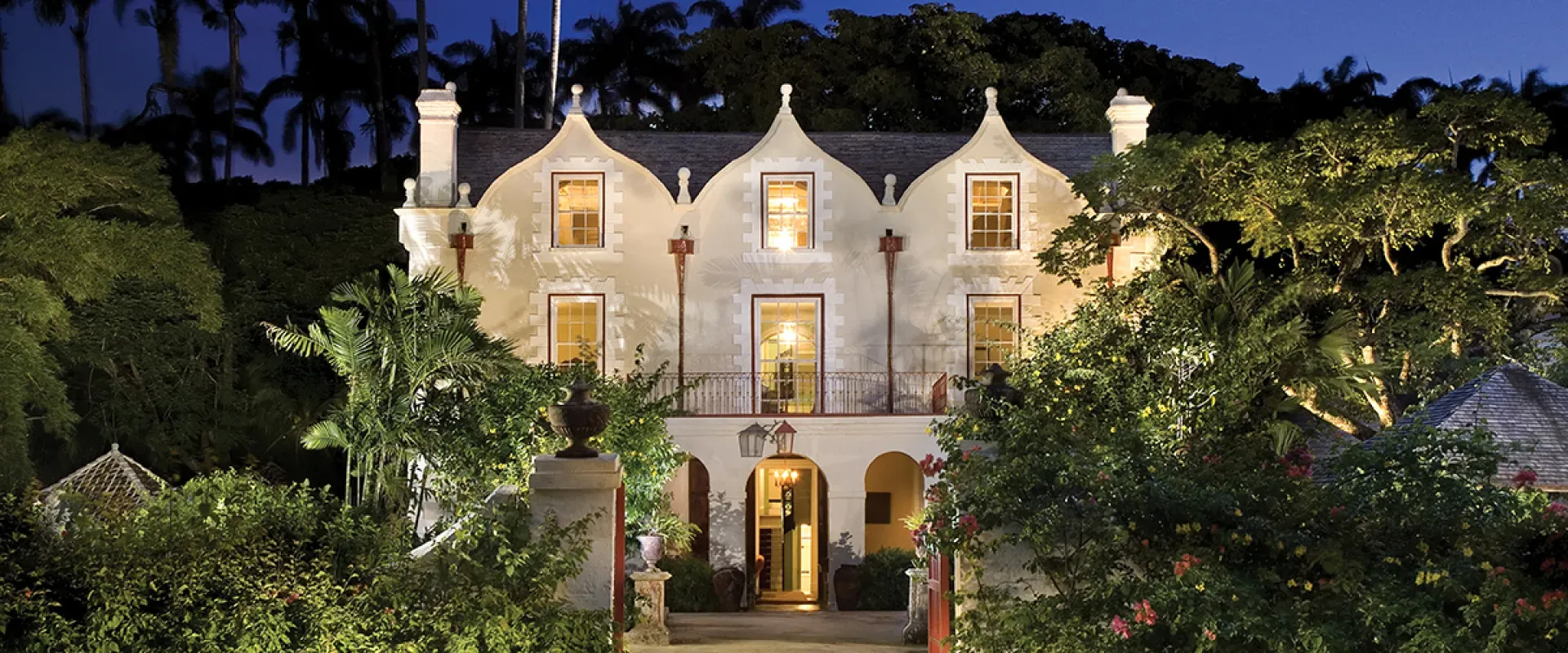
Great Houses of Barbados: St Nicholas Abbey
Murder, Sugar, and a Jacobean Great House
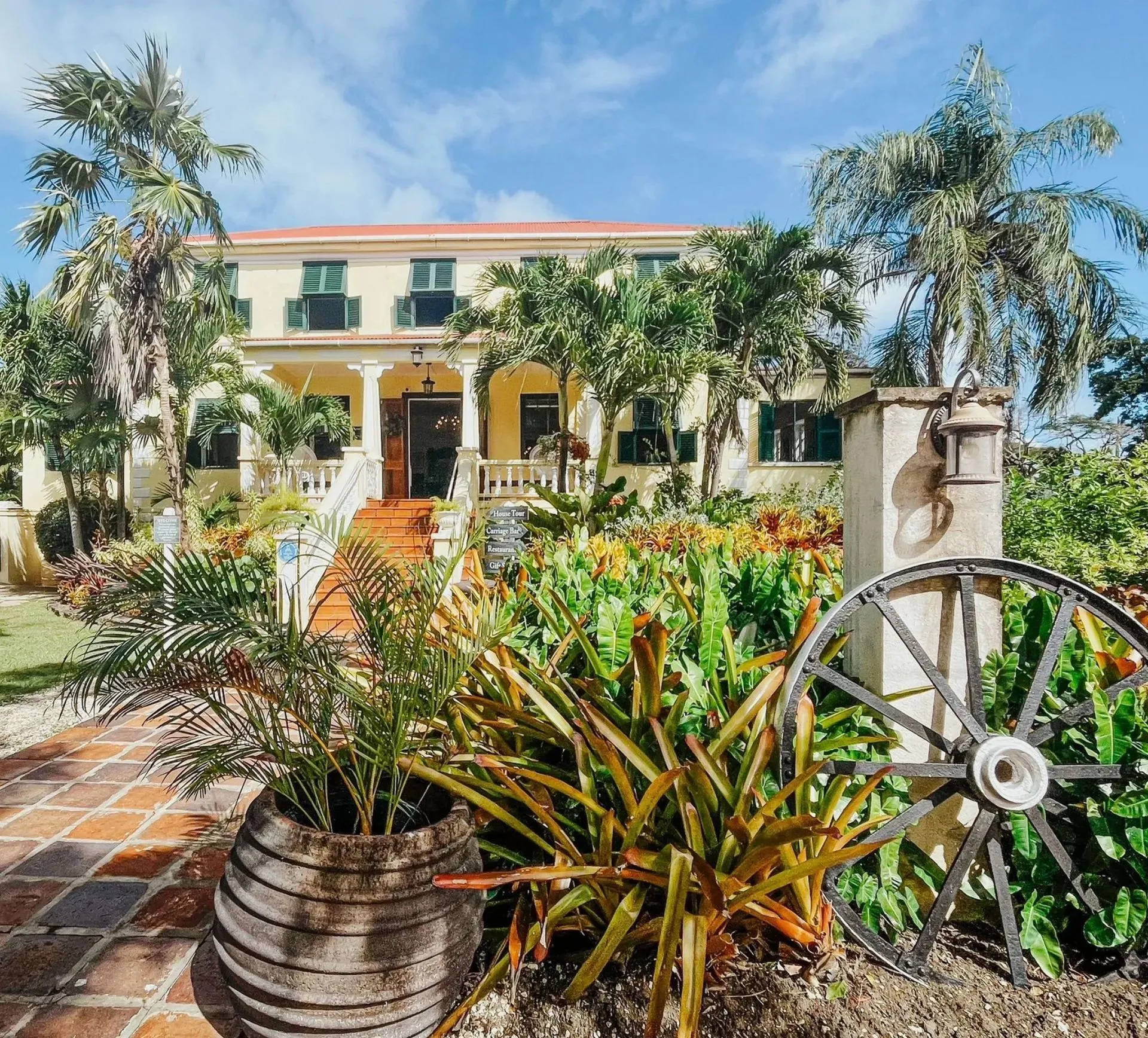
Great Houses of Barbados: Sunbury Plantation
Sugar, Fire, and Three Centuries of Barbadian History
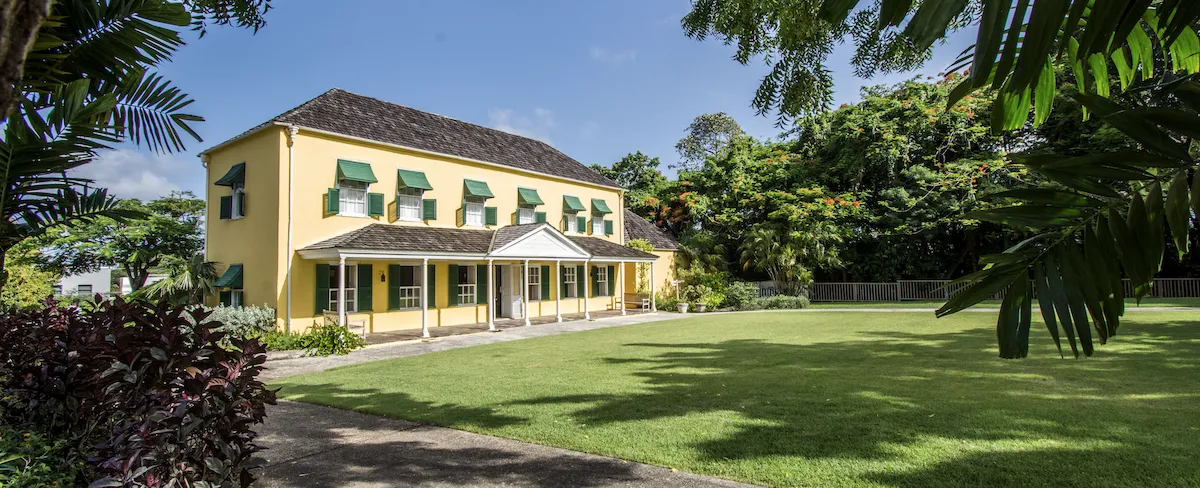
Where did George Washington stay on his only trip abroad?
The Only Trip George Washington Ever Made Outside America