Sunbury Plantation Great House
Sugar, Coral Stone, and a Pirate Legend in a Barbadian Plantation House
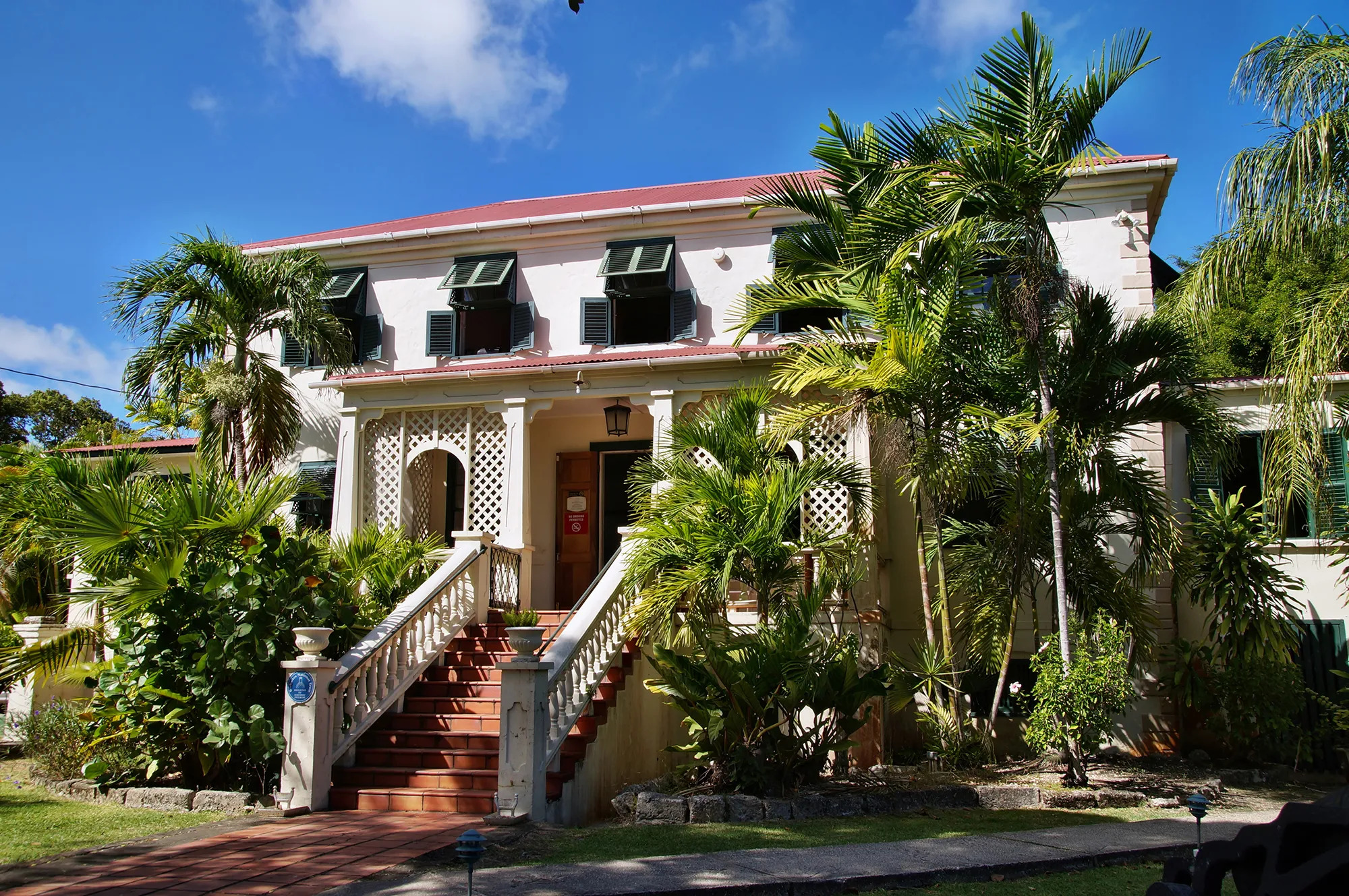
Sunbury Plantation Great House dates back to the 1660s and is one of the oldest surviving plantation homes in Barbados. Built of coral stone in the parish of St Philip, the house was home to generations of planters and their families who derived their wealth from the cultivation and export of sugar.
Established originally as Chapman's Plantation, the estate later became Branker's Plantation before eventually being renamed Sunbury. Like many sugar estates in Barbados, Sunbury's prosperity was built on the production of sugar cane for export to Britain. That prosperity depended on the forced labor of hundreds of enslaved Africans prior to Emancipation, whose work sustained the estate for centuries.
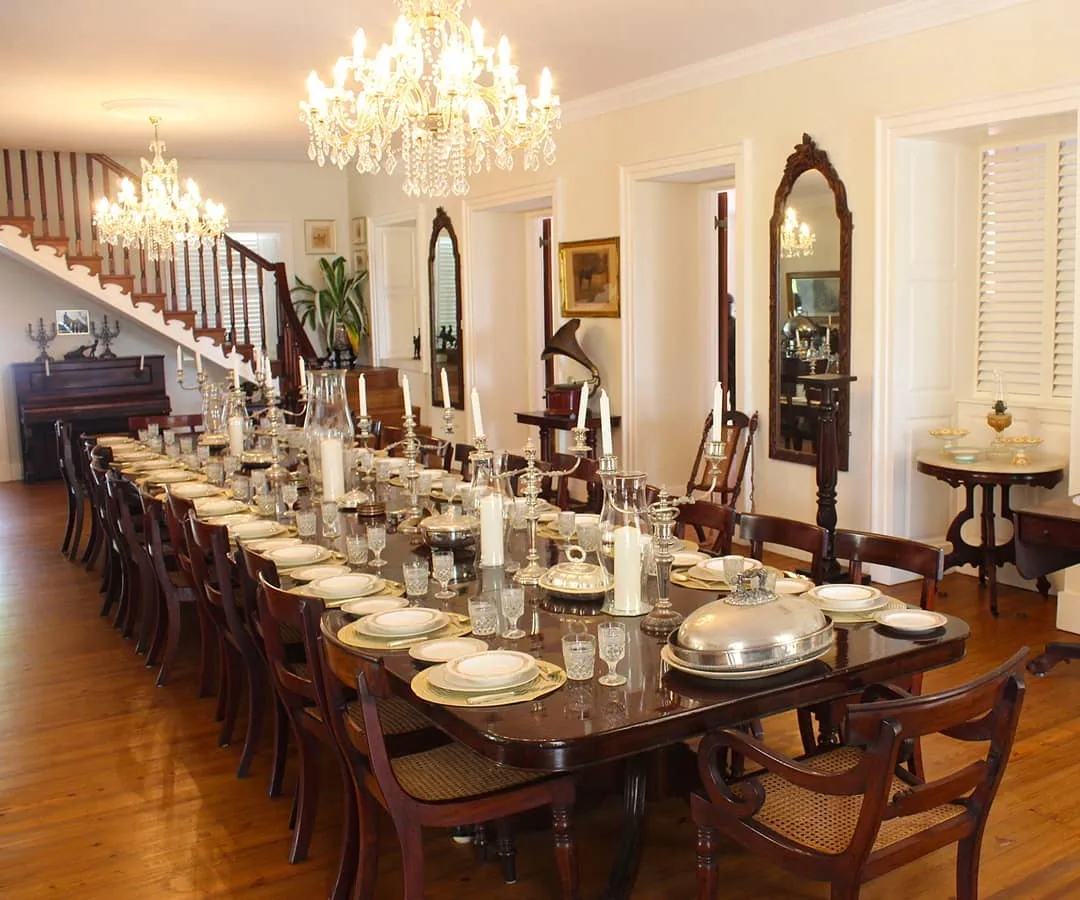
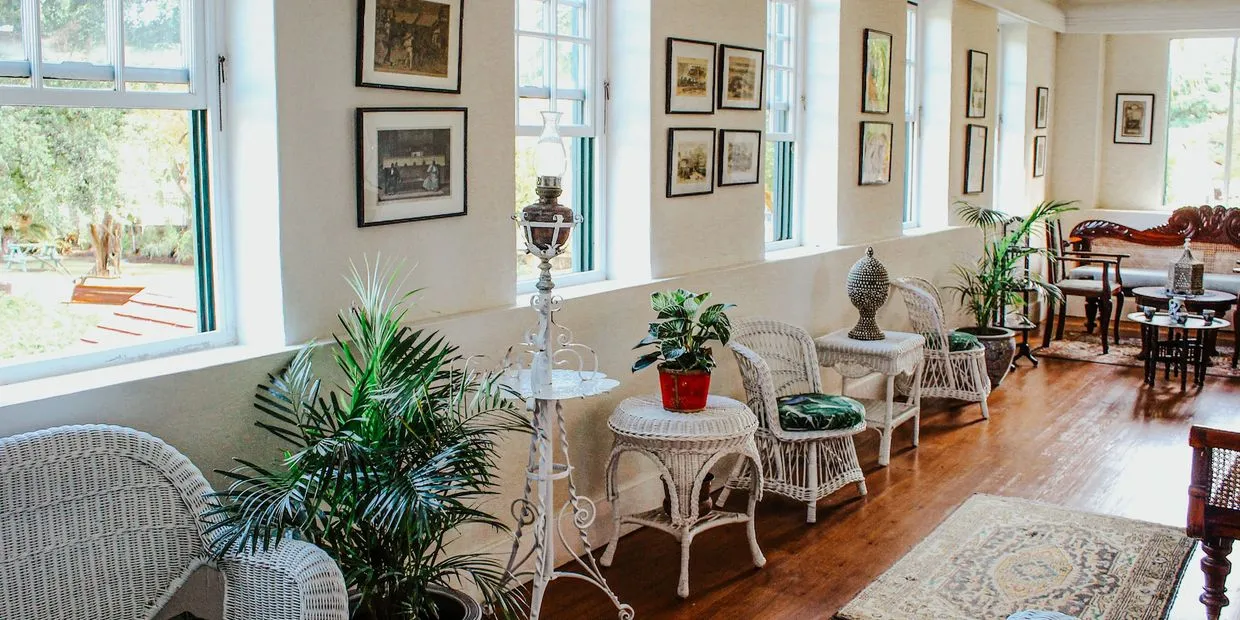
The house reflects the status of its owners. Spacious dining rooms, thick coral stone walls, and a substantial cellar designed for storage and protection all speak to both wealth and the practical demands of plantation life. Today the Great House is preserved as an architectural museum, filled with mahogany furniture and antiques, including an 18th century 30-seater dining table.
In the late 1800s and early 1900s, the Barbados Railway included a stop at Sunbury Plantation, one of four train stations in St Philip, linking the estate more closely to Bridgetown and the wider island.
Now open to the public, Sunbury offers visitors the opportunity to explore a historic Barbadian estate with more than three centuries of history.
The Pirate Legend
The story of piracy at Sunbury Plantation House lives more in legend than in court records, but it is a story the island has long retold.
In 1835, the estate was acquired by Sir Thomas Daniel, a British merchant connected to Bristol's powerful transatlantic trade networks during a transformative period in Barbados following emancipation. Local lore later intertwined his name with that of the island's most famous maritime figure, Sam Lord.
According to tradition, a turret once crowned the roof of Sunbury, serving as a signaling point along the southeast coast. Mirrors were said to flash coded messages toward passing ships, an echo of the wider Caribbean age of wreckers and opportunists who profited from vessels that met unfortunate ends along coral reefs.
There is no firm documentary evidence tying Sunbury directly to piracy. Yet these stories, half history, half folklore, remain part of the island's coastal mythology, adding an element of intrigue to the estate's long and layered past.
Open daily: 9am–4pm
Please confirm by phone or WhatsApp