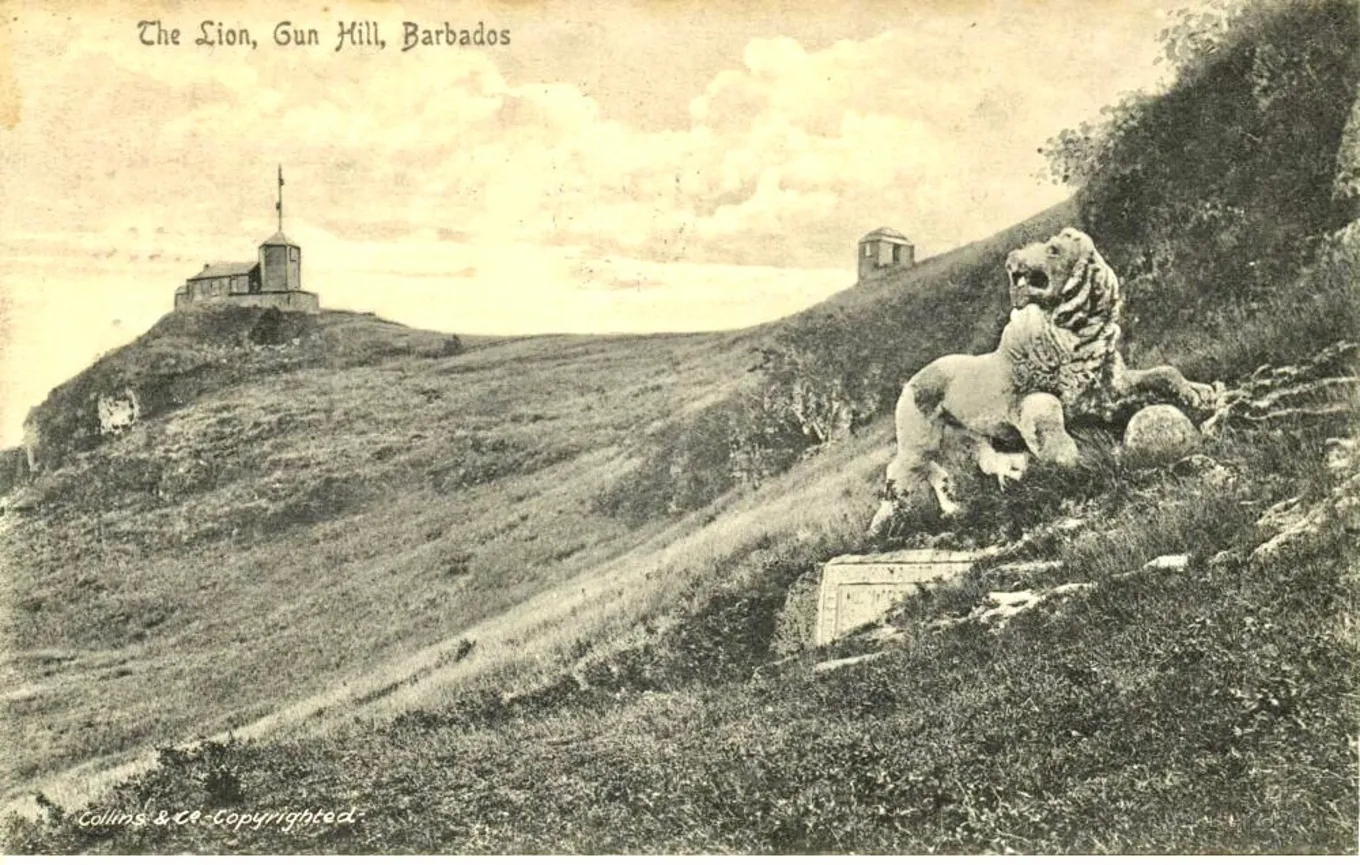
Gun Hill Signal Station
Signal Station, Lion Sculpture, and Panoramic Views
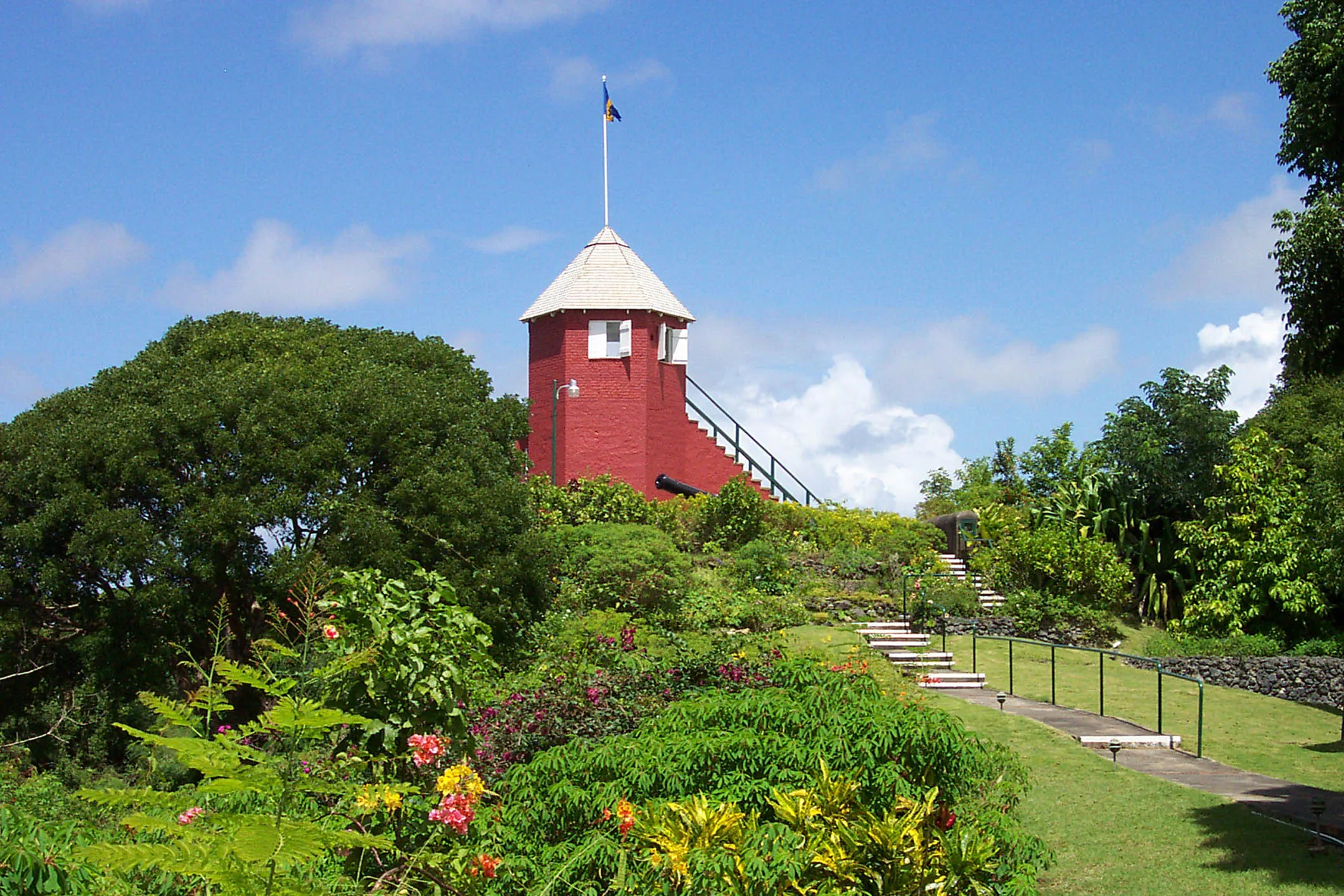
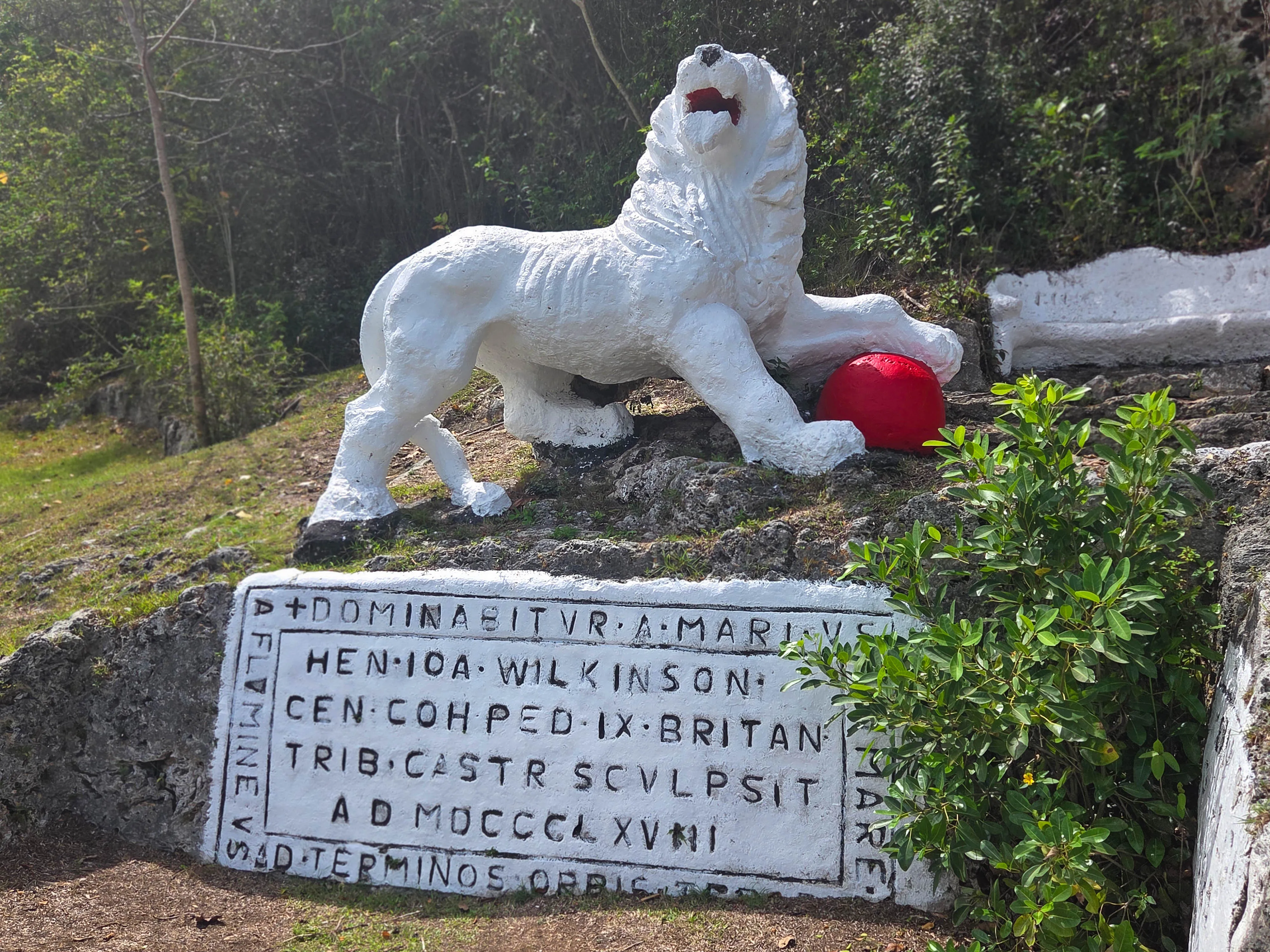
The chain of six signal stations that includes Gun Hill was recommended to be built by Sir Stapleton Cotton, Lord Combermere, shortly after he arrived as Governor of Barbados in 1817. The prompt was Bussa's rebellion in 1816. The slave uprising was suppressed within days, but the human cost was severe, with hundreds of enslaved people killed in battle and executed in its aftermath. The colonial authorities, shaken by the revolt, were determined to improve their capacity for rapid communication across the island.
The stations served multiple purposes: internal security was the primary function, with unrest communicable island-wide within minutes using a semaphore system of mechanical arms. They also signaled the approach of enemy ships and the safe arrival of cargo vessels into Bridgetown harbor, broadcast hurricane warnings when the barometer dropped, and announced meetings of the Council of Barbados. Regular time signals allowed ships in port to set their chronometers.
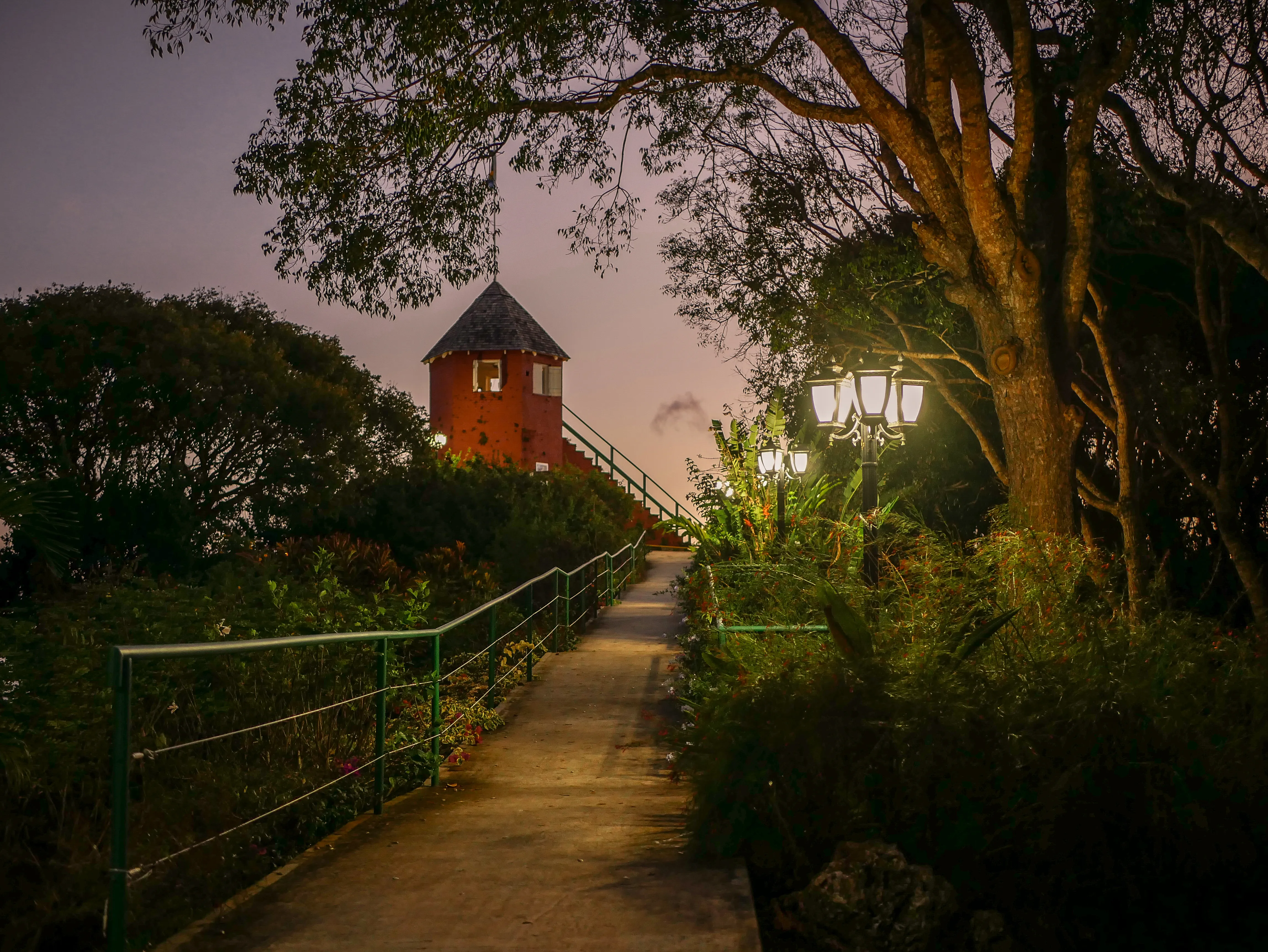
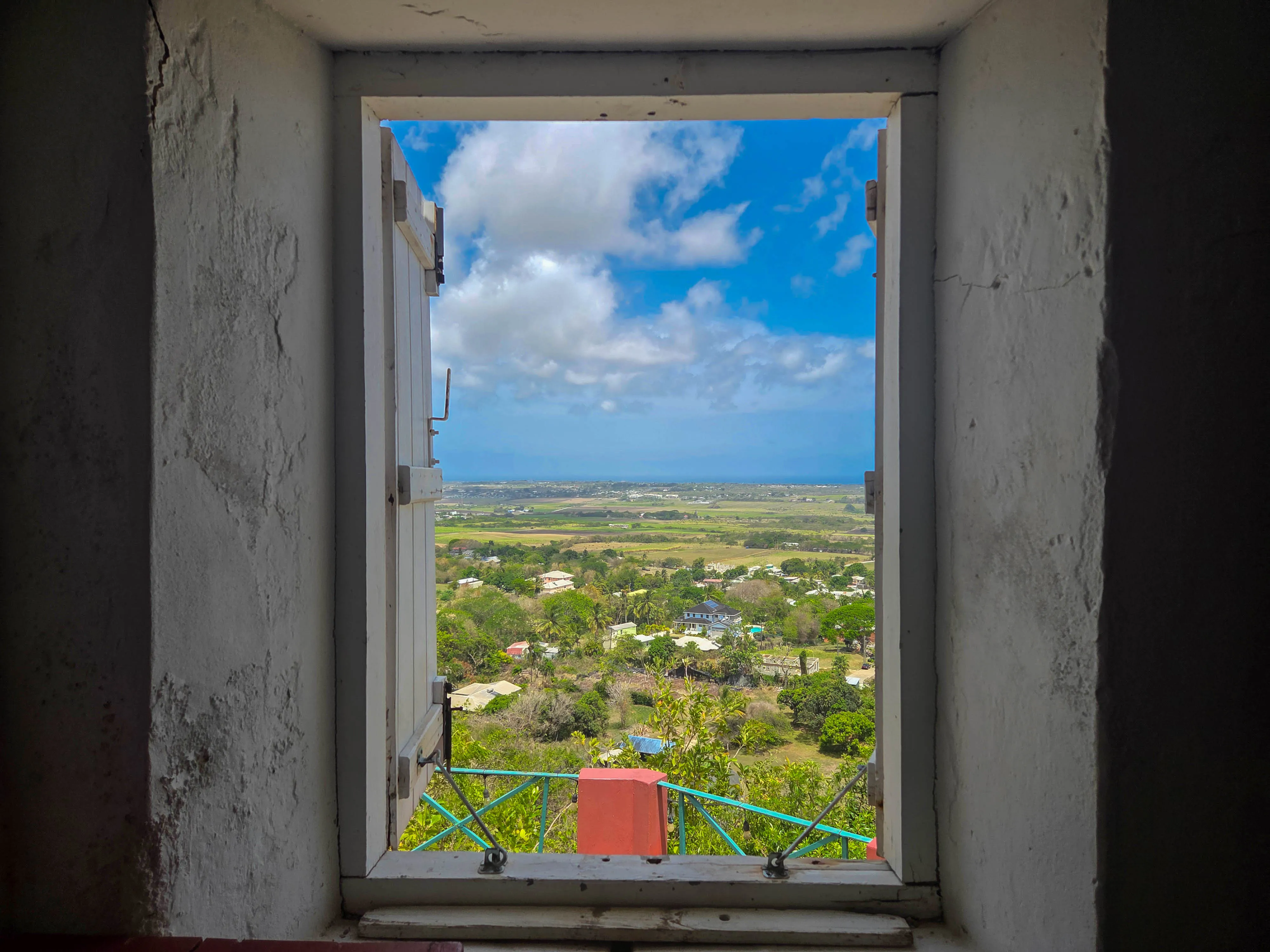
Gun Hill's hexagonal tower indicates it was rebuilt at some point during its operational life. Each station was designed to house two soldiers, with narrow wall slits maintaining line of sight to the nearest neighboring stations.
After emancipation in 1838, the military rationale faded. The network shifted to commercial use, signaling trading vessels to Bridgetown's merchant houses. When the British military withdrew from the Caribbean and stopped funding the stations, the Barbados government took over, placing them under the Inspector General of Police. The telephone made them redundant; the last signals were sent in 1883.
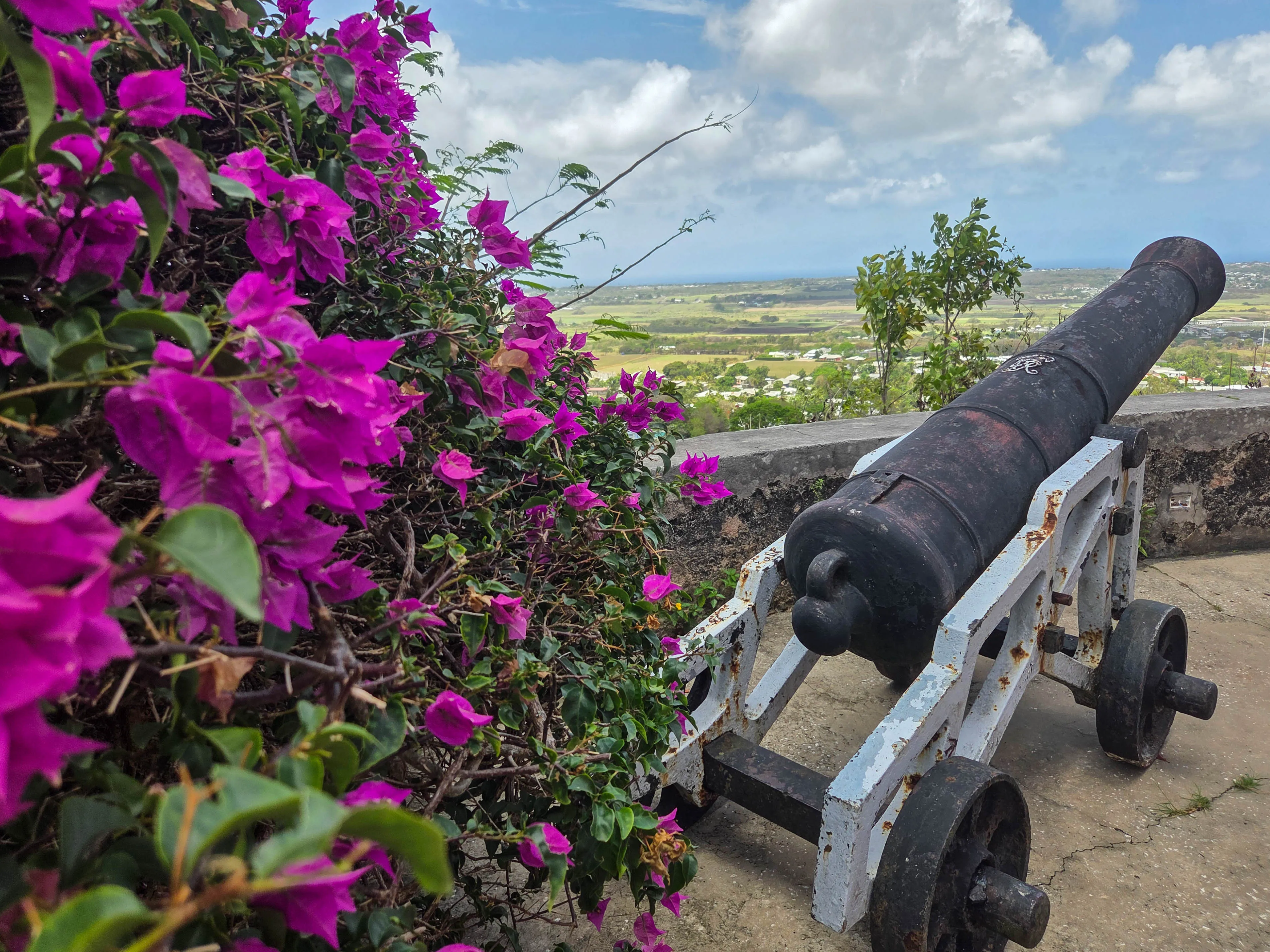
Gun Hill's military associations predate the station by more than a century. The site appears as "Briggs Hill" in the Militia Act of 1697, one of four island points designated for cannon placement to sound an alarm in the event of invasion. The station was restored by the Barbados National Trust in 1982 and has been open to the public since. Of the original six stations, Gun Hill is the only one dedicated to the military history; Grenade Hall in St Andrew also stands but forms part of a wider nature reserve, while Cotton Tower can only be seen from the outside