Coco Hill Forest
53-Acre Agrotourism Forest with Hiking Trails, St Joseph


Local Flora
Forest Trees
Fishtail Palm
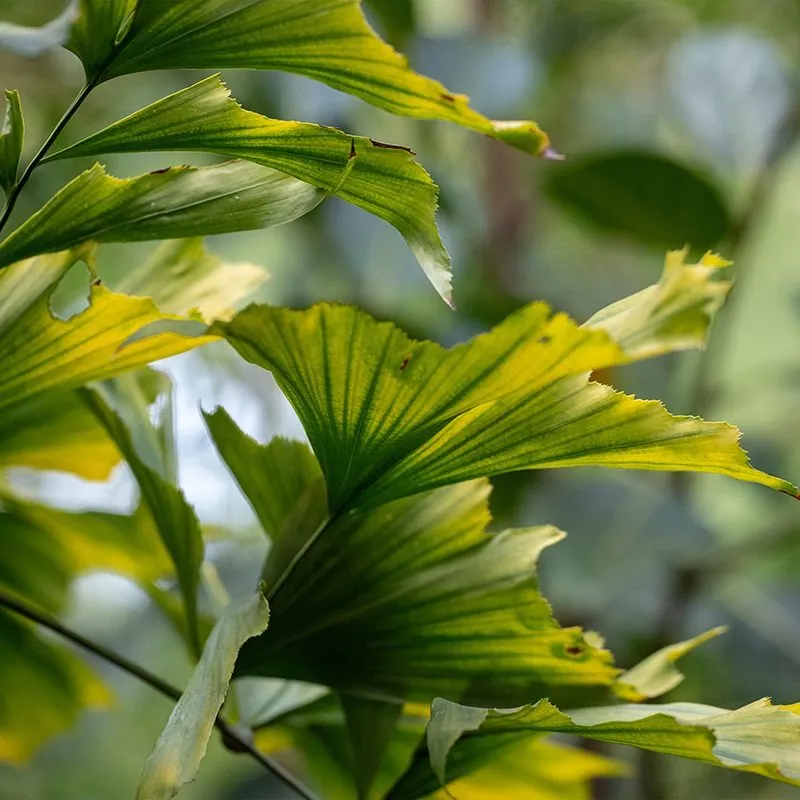
Caryota is a genus of palm trees. They are often known as fishtail palms because of the shape of their leaves. There are about 13 species native to Asia (China, India, Indonesia, etc.), northern Australia, and the South Pacific.
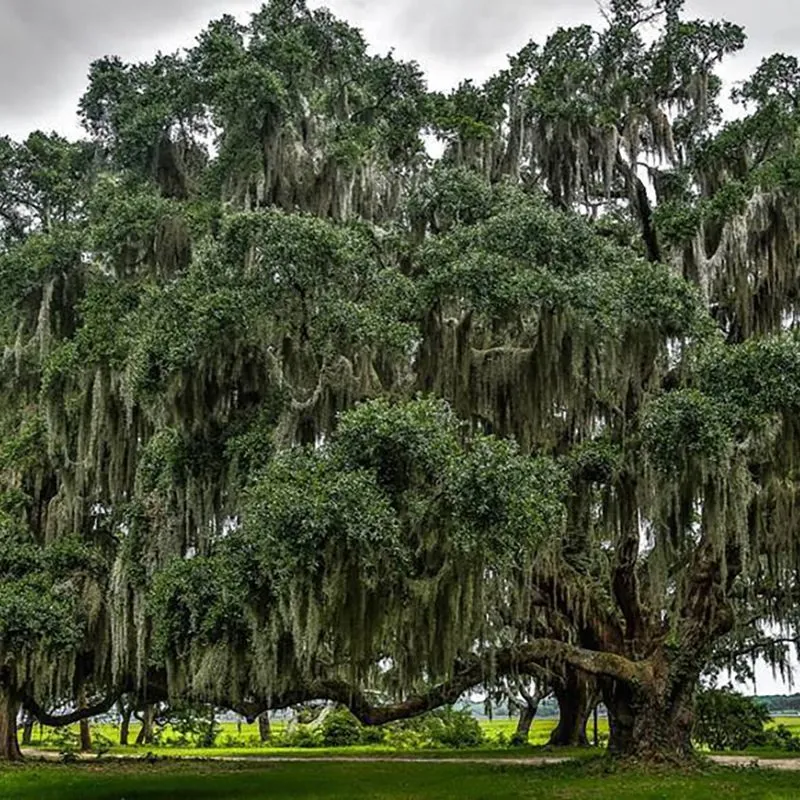
Spanish Oak
Spanish oak may refer to trees or wood of any oak in Spain. It is a common name for several European and North American trees
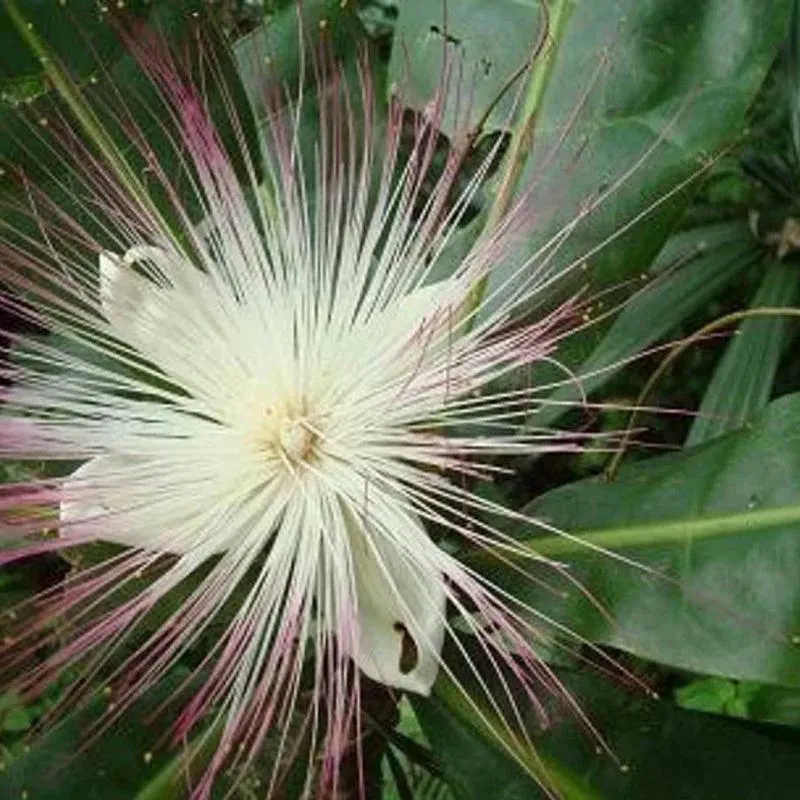
Poison Tree
Fruit of the poisonous tree is a legal metaphor used to describe evidence that is obtained illegally. The logic of the terminology is that if the source (the “tree”) of the evidence or evidence itself is tainted, then anything gained (the “fruit”) from it is tainted as well.
Commercial Crops
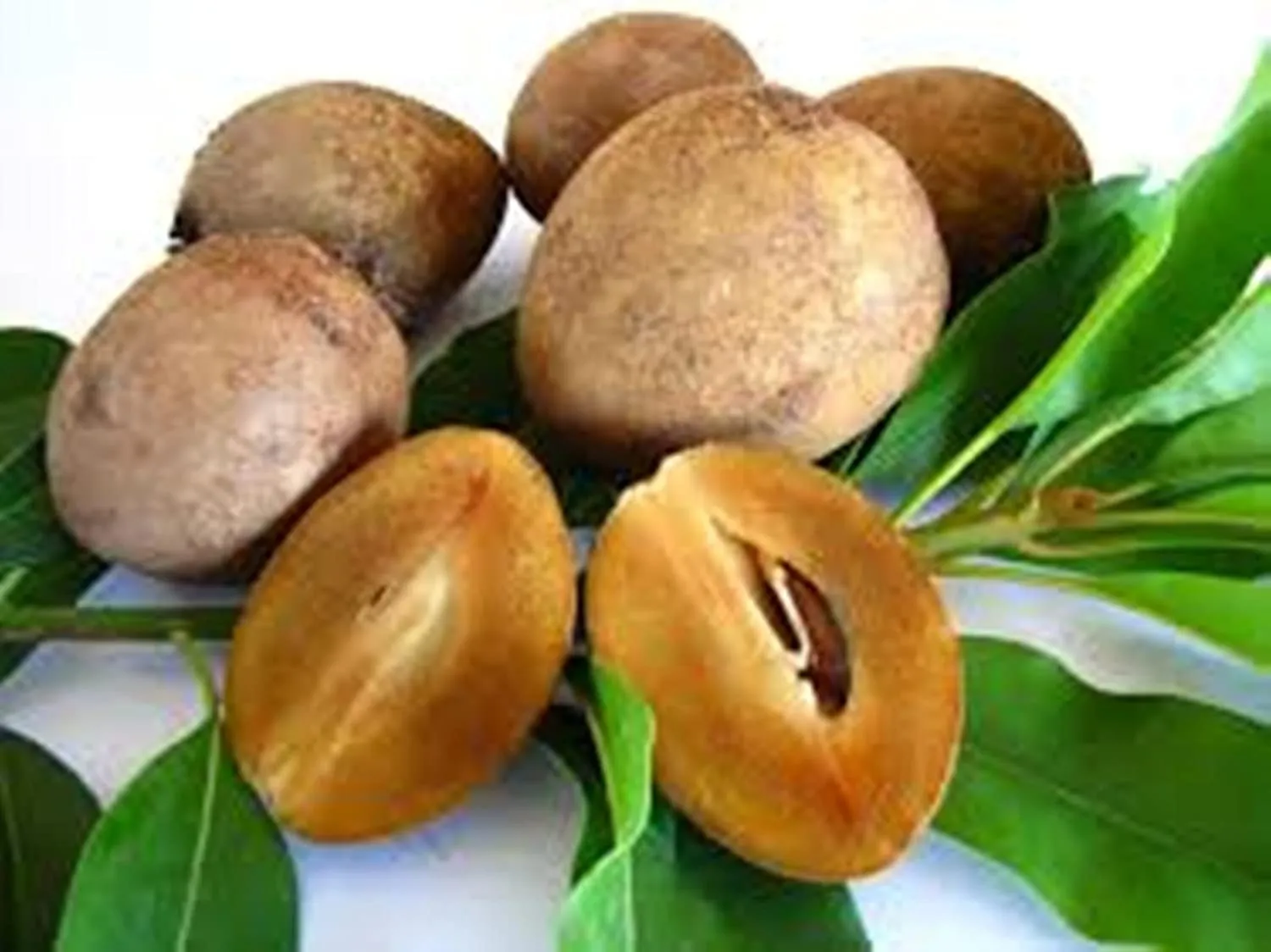
Sapodilla
Manilkara zapota, commonly known as sapodilla, sapote, naseberry, nispero or chicle, is a long-lived, evergreen tree native to southern Mexico, Central America and the Caribbean. It is grown in large quantities in Mexico and in tropical Asia.
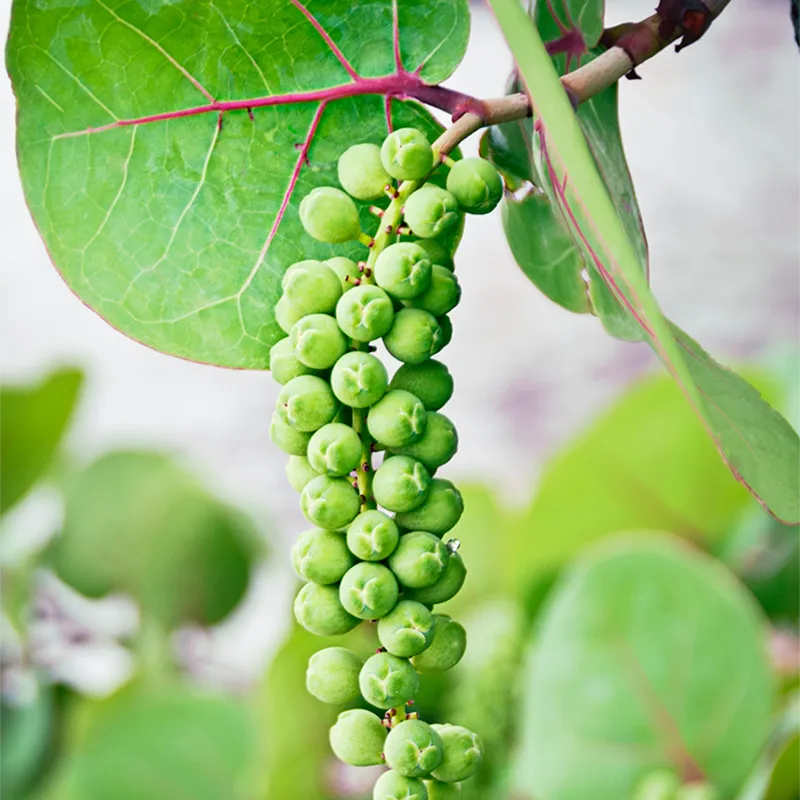
Sea Grapes
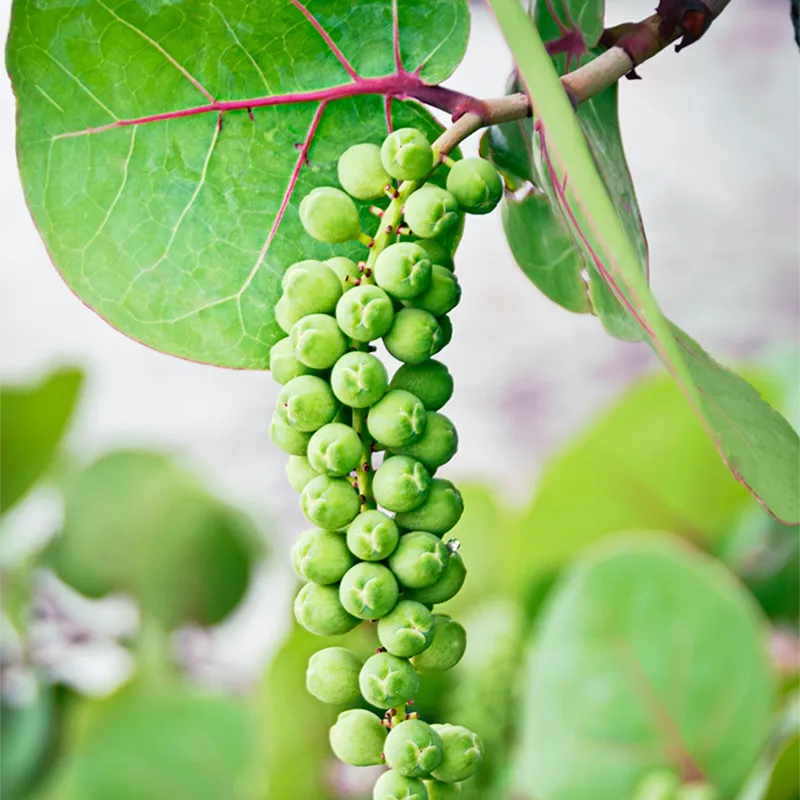
Coccoloba uvifera is a species of flowering plant in the buckwheat family, that is native to coastal beaches throughout tropical America and the Caribbean. Common names include seagrape and baygrape.
In late summer, it bears green fruit, about 2 cm (0.79 in) diameter, in large, grape-like clusters. The fruit gradually ripens to a purplish color. Each contains a large pit that constitutes most of the volume of the fruit.
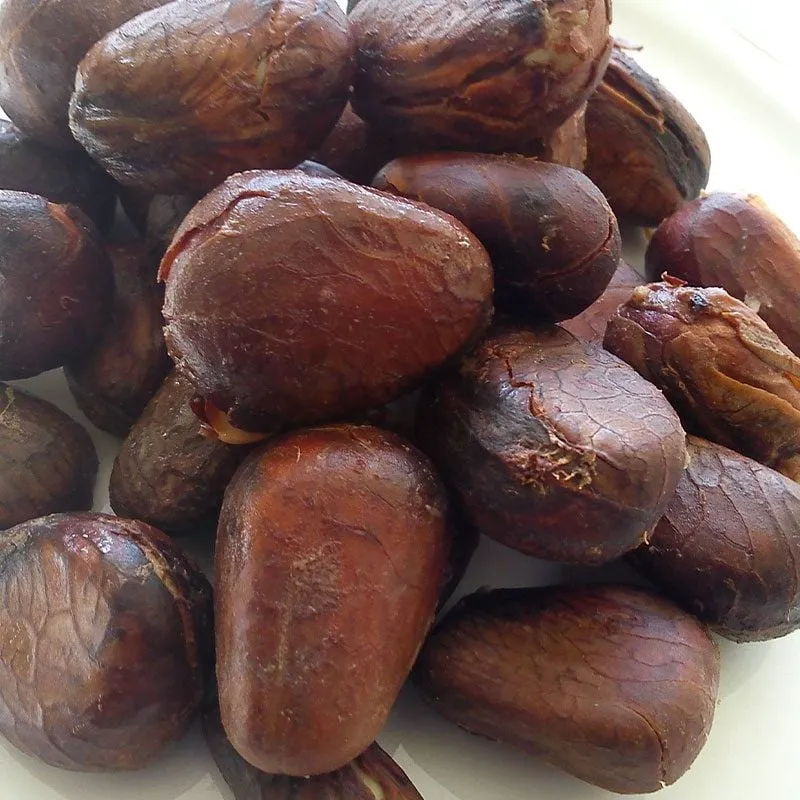
Bread Nut
Breadnut may refer to, Brosimum alicastrum, also known as “Maya nut” or ramón, theorized to be a staple crop for the ancient Maya, or to Artocarpus camansi, a close relative of the breadfruit
Root Crops & Spices
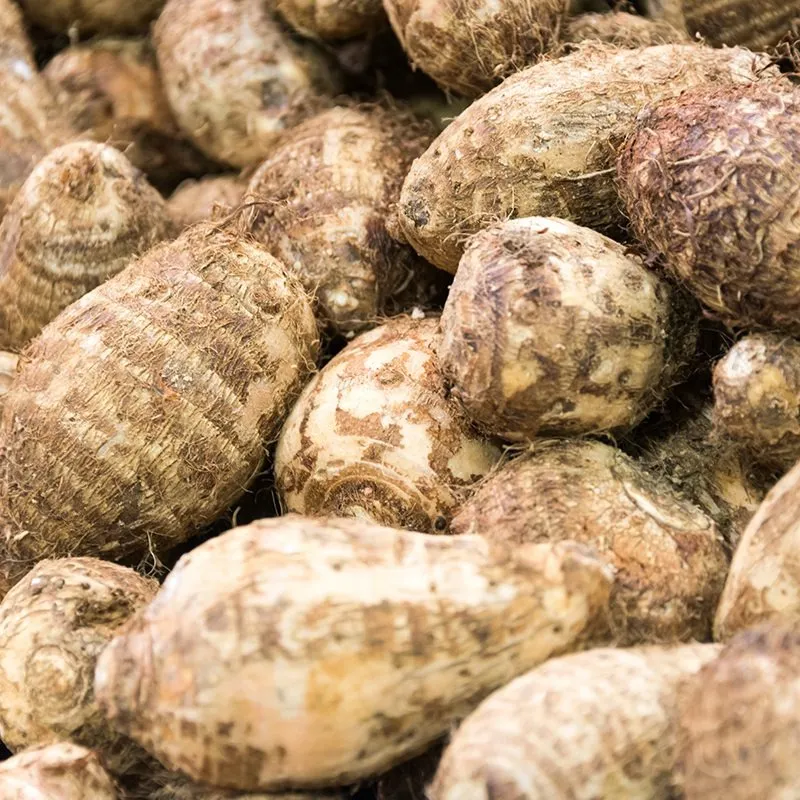
Eddoes
Eddoe or eddo is a tropical vegetable, closely related to taro, which is primarily used for its thickened stems. In most cultivars there is an acrid taste that requires careful cooking. The young leaves can also be cooked and eaten, but (unlike taro) they have a somewhat acrid taste.
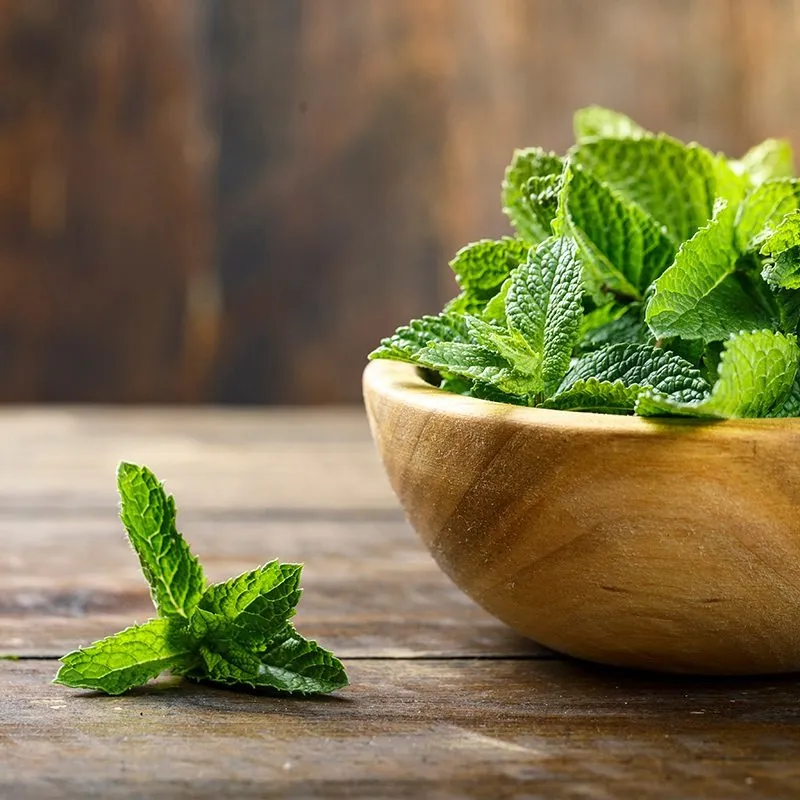
Mint
Mentha, also known as mint. The species that make up the genus Mentha are widely distributed and can be found in many environments. Most grow best in wet environments and moist soils. Mints will grow 10–120 cm (4–48 inches) tall and can spread over an indeterminate area. Due to their tendency to spread unchecked, some mints are considered invasive.
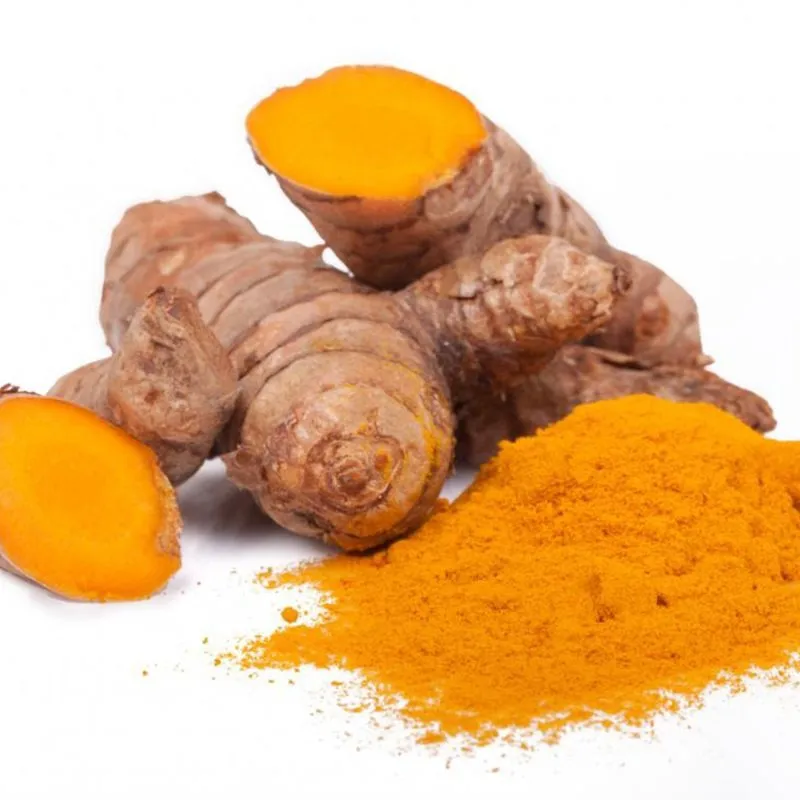
Turmeric
Turmeric is a flowering plant of the ginger family used in cooking. The plant is a perennial plant native to the Indian subcontinent and Southeast Asia that requires temperatures between 20 and 30 °C (68 and 86 °F) and a considerable amount of annual rainfall to thrive.
Turmeric powder has a warm, bitter, black pepper-like flavor and earthy, mustard-like aroma.
Medicinal
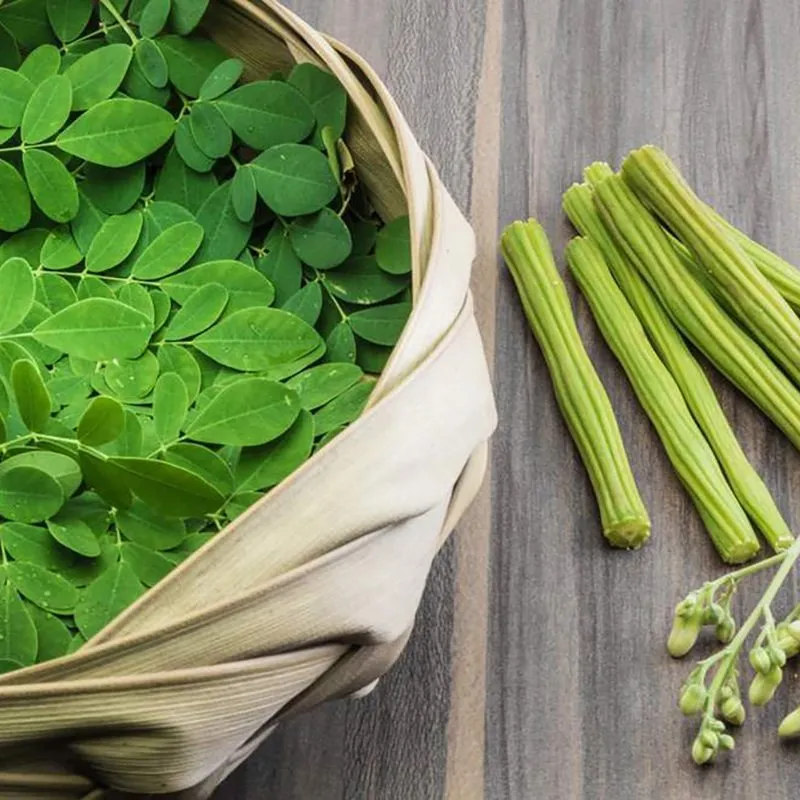
Moringa
Moringa is tropical and subtropical regions of Africa and Asia that range in size from tiny herbs to massive trees. Moringa species grow quickly in many types of environments. Its name derives from the Tamil word for drumstick.
Marketed as a dietary supplement, health food or source for herbalism practices. The fruit pods of Moringa are increasingly consumed as food in many parts of the world. The leaves are commonly used to make tea. Oils are made from the seeds, while powders can be made from the leaves and roots.
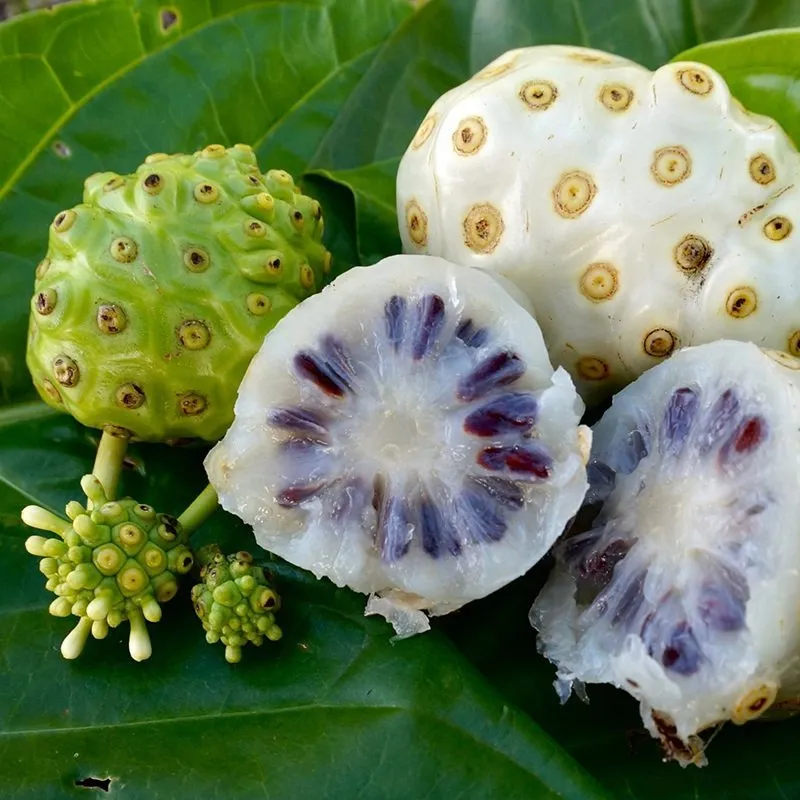
Noni
Morinda citrifolia is a fruit-bearing tree in the coffee family. Its native range extends across Southeast Asia and Australasia,. Among some 100 names for the fruit across including great morinda, Indian mulberry, noni, beach mulberry, vomit fruit and cheese fruit.
The fresh fruit’s strong, vomit-like odor has made it a famine food in most regions, but it remains a staple food among some cultures, and has been used in traditional medicine. In the consumer market, it has been introduced as a supplement in various formats, such as capsules, skin products, and juices.
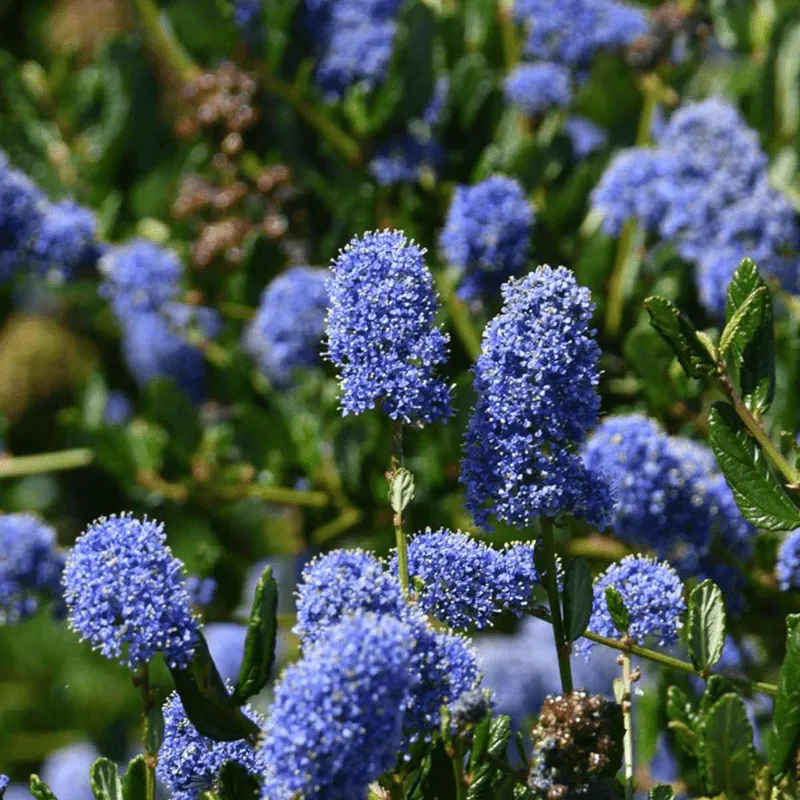
Soap Bush
Soap Bush refers to several plants whose leaves, bark, or berries create a soapy lather in water due to natural compounds called saponins, used for cleaning or traditional remedies, including California Lilac, South African Soap Bush, Soapbark Tree, and Koster's Curse. The common names vary, but the soap-producing quality is a key feature, often used for washing, medicine, or as food/cosmetic additives.