Arlington House Museum
Barbados' Colonial Past in a Restored Townhouse
The House
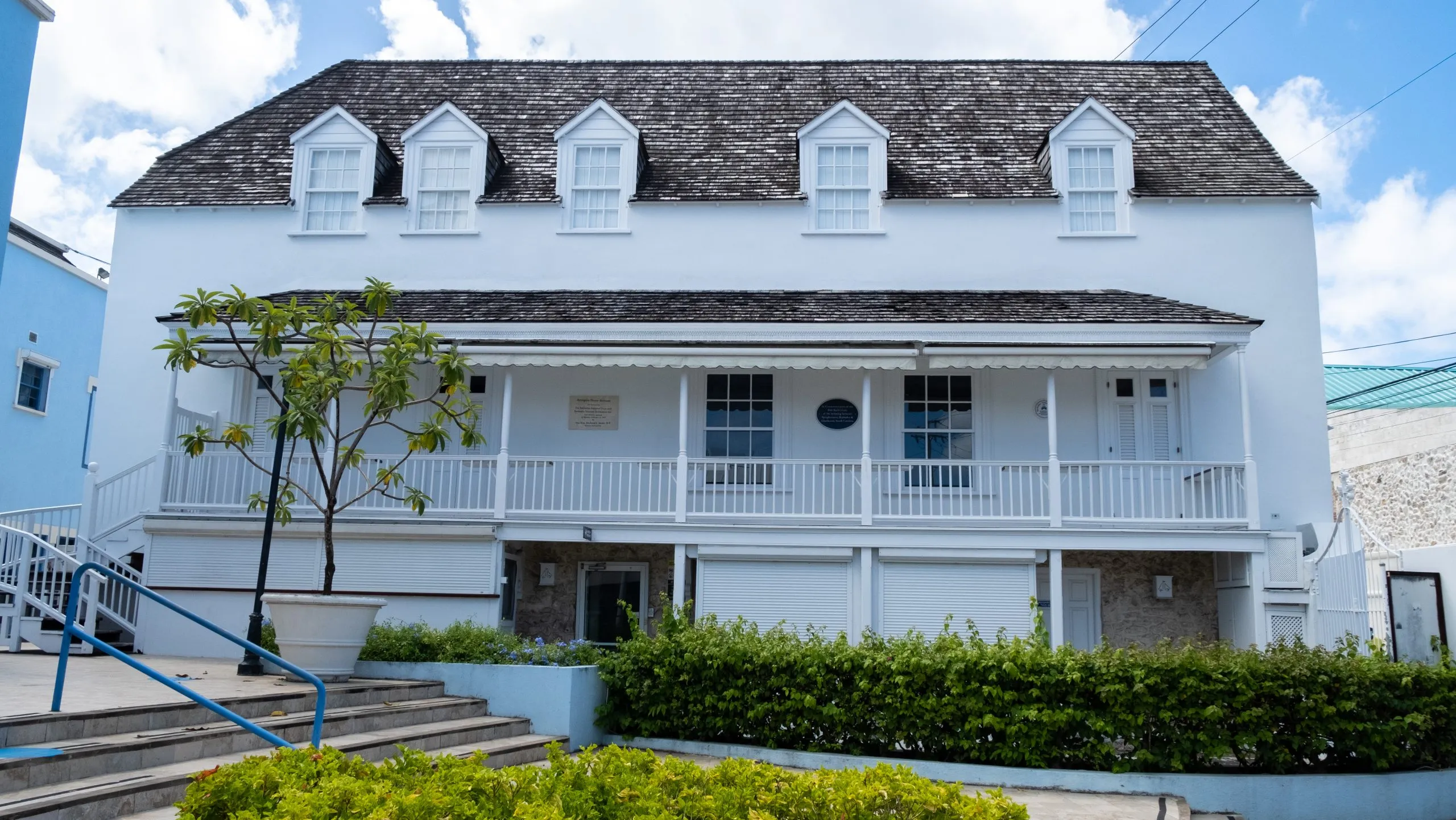
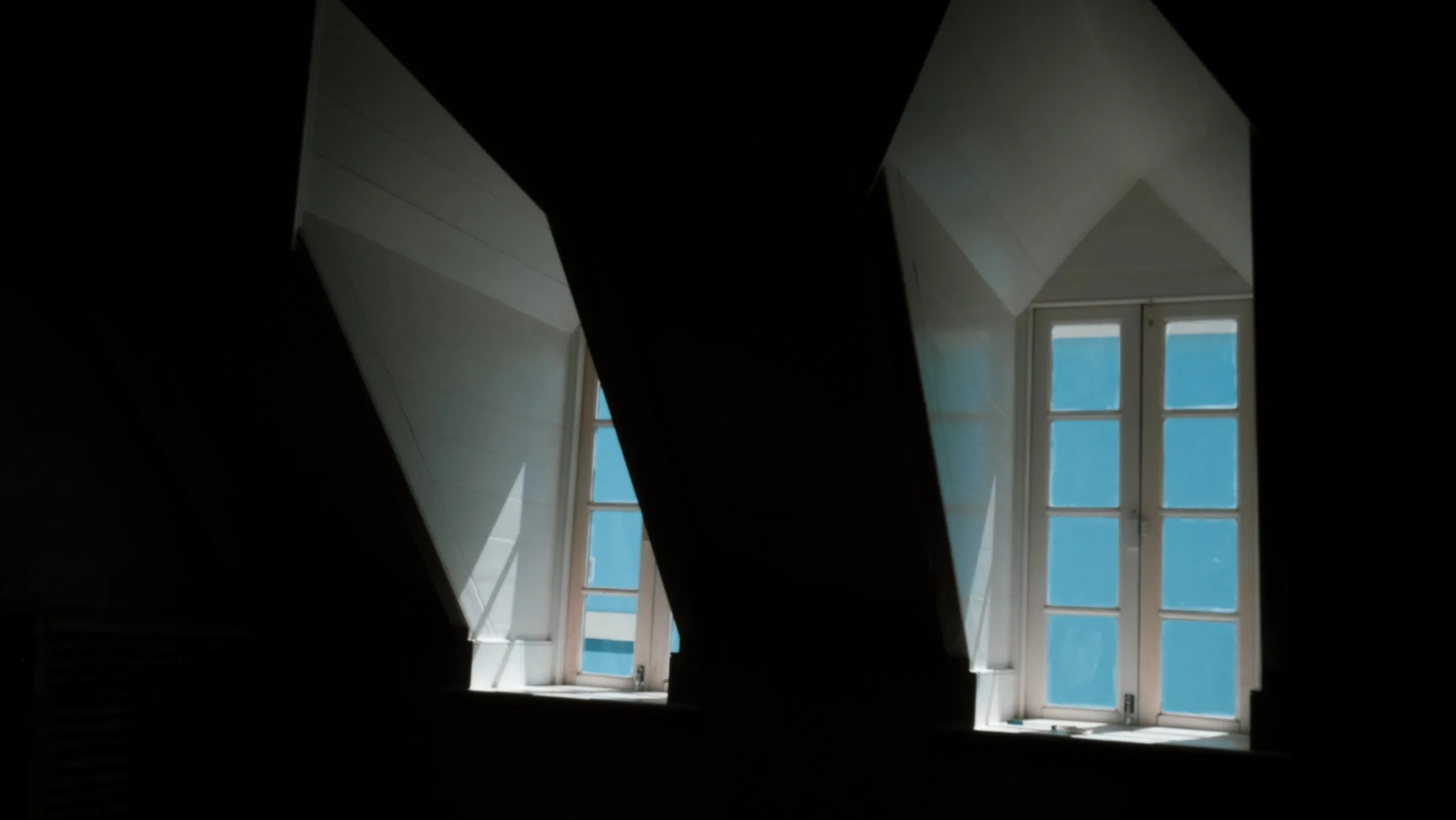
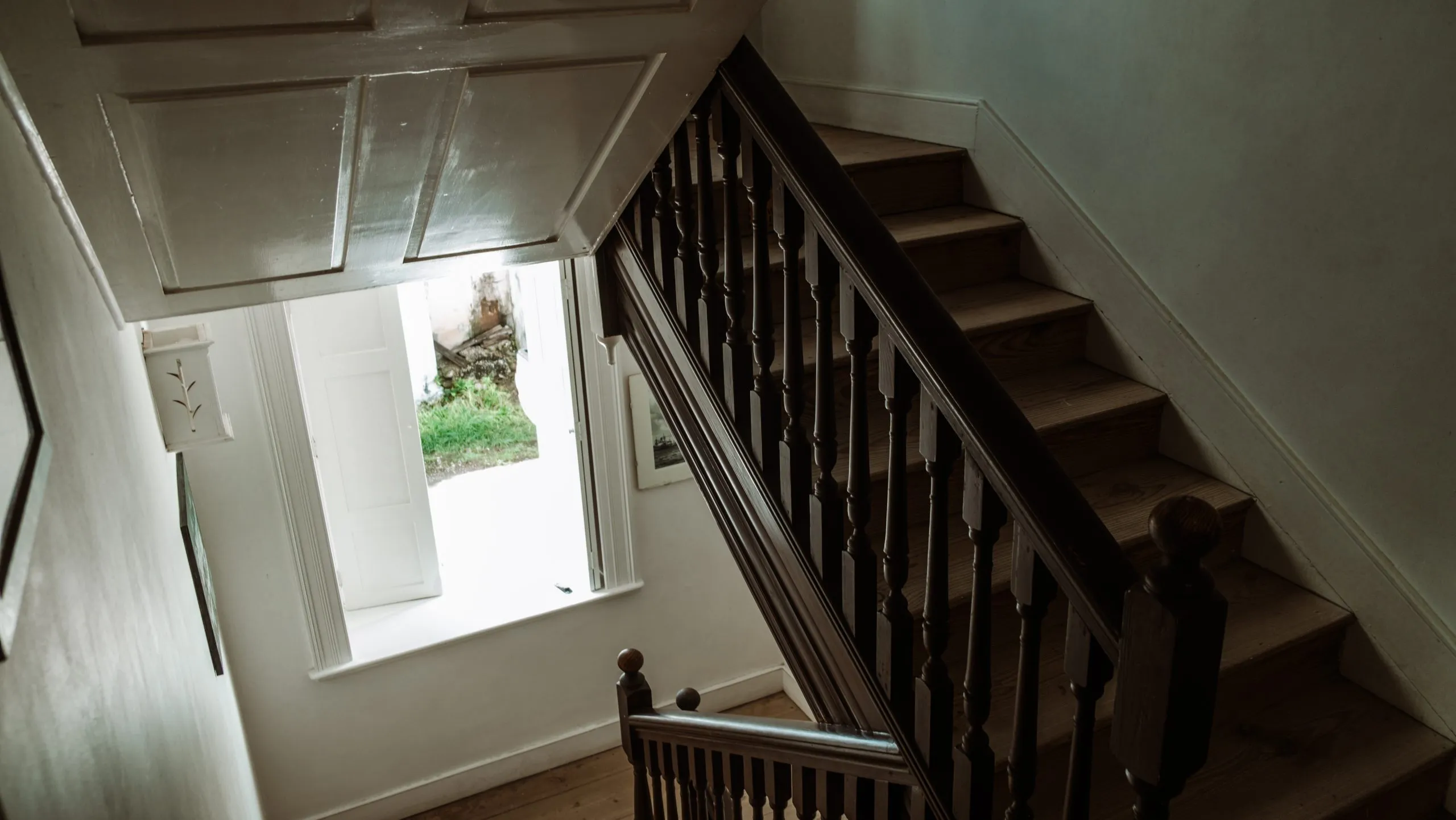
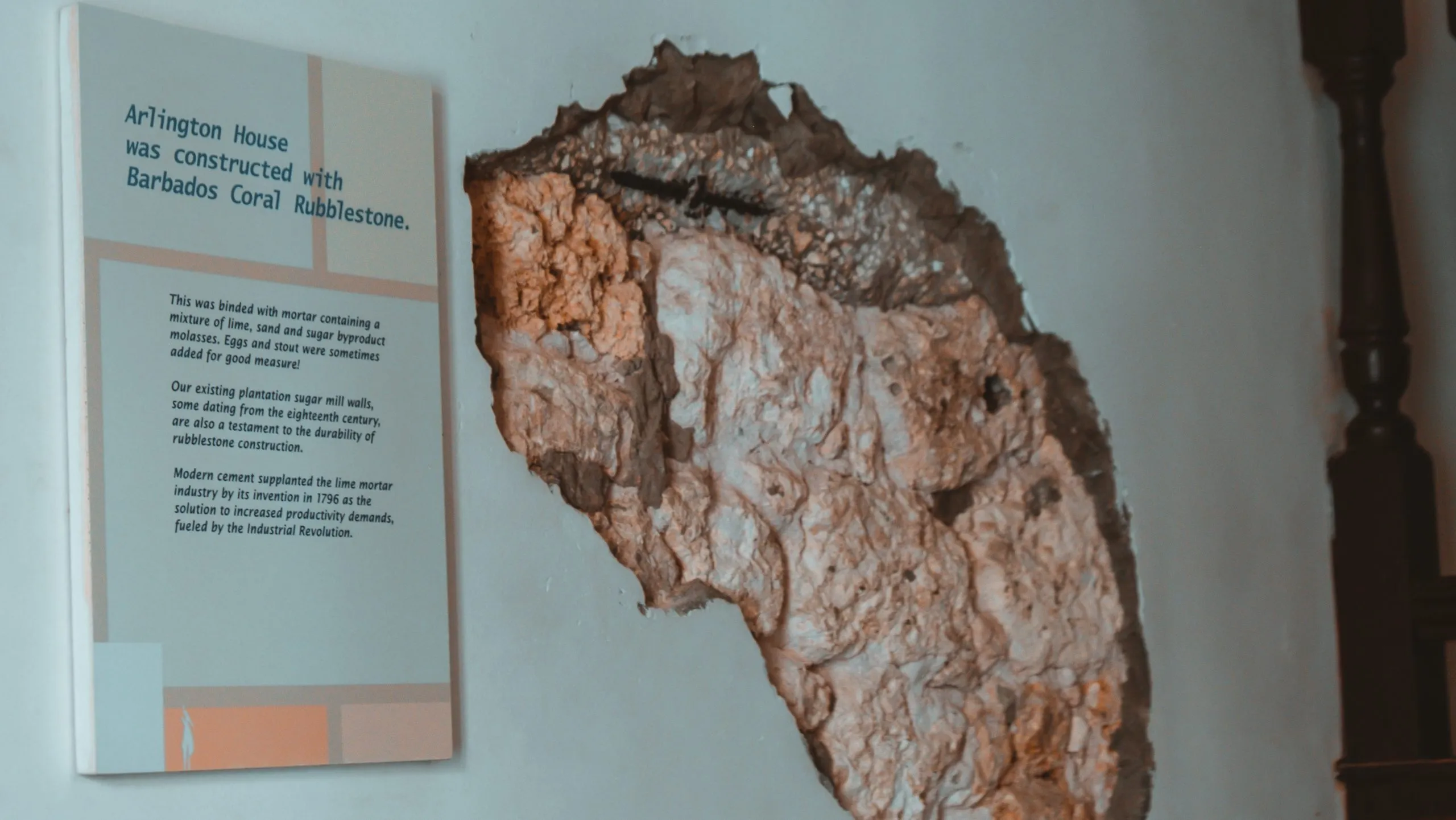
When the Barbados National Trust acquired Arlington House, it was close to crumbling entirely. Surveyors discovered the building had no foundation — a remarkable finding for a structure that had stood since 1750. Built by the Skinner family, prominent ship chandlers who supplied the ropes, sails, and provisions that kept Speightstown's trade moving, the house served as both their business premises and home for several generations. The restoration that followed is considered one of the most significant heritage projects in Speightstown's history. While many buildings on Queen Street follow the same architectural plan, Arlington House is the best-preserved example of what Speightstown's commercial streetscape once looked like.
.
.
Museum Exhibitions
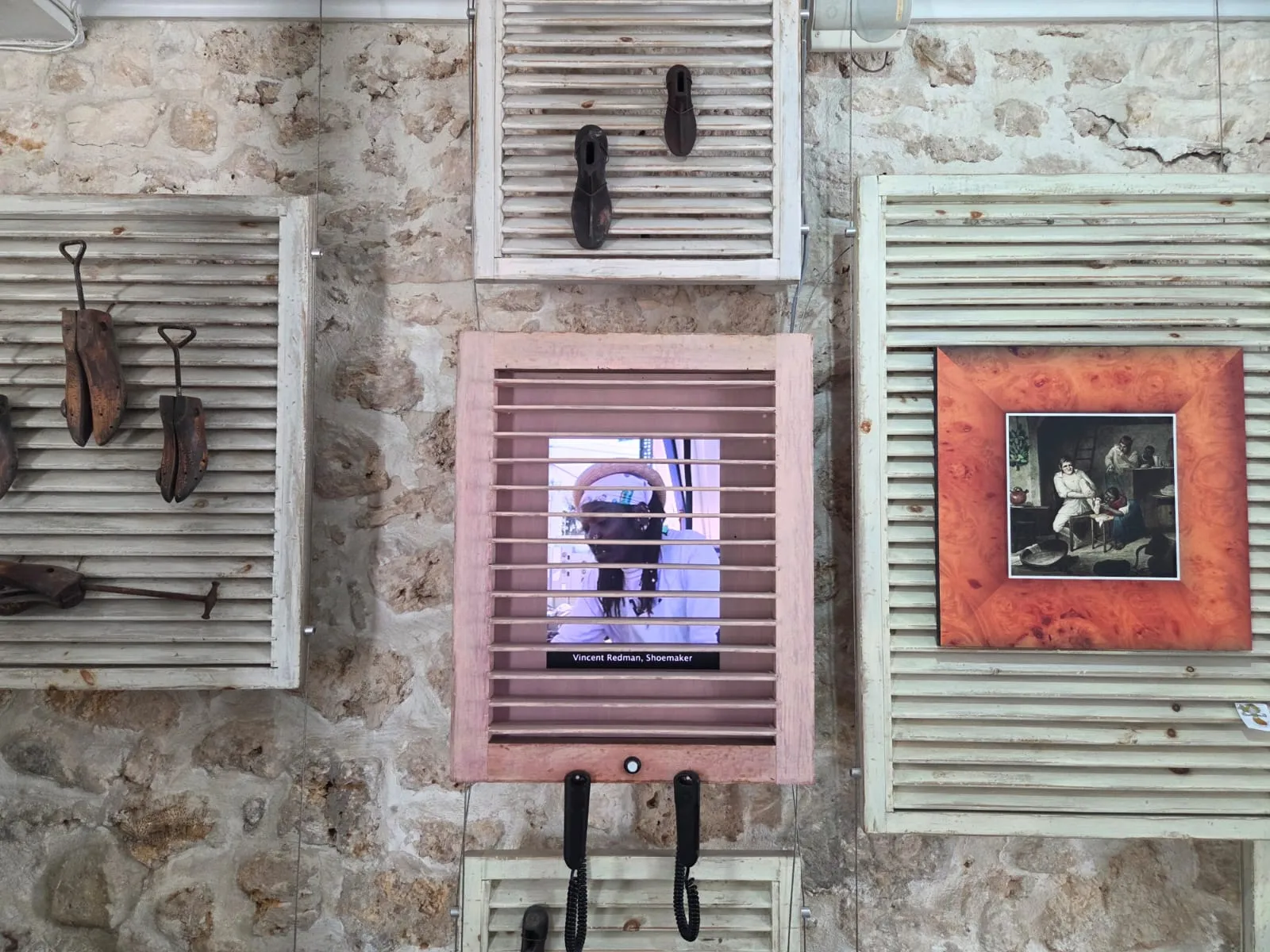
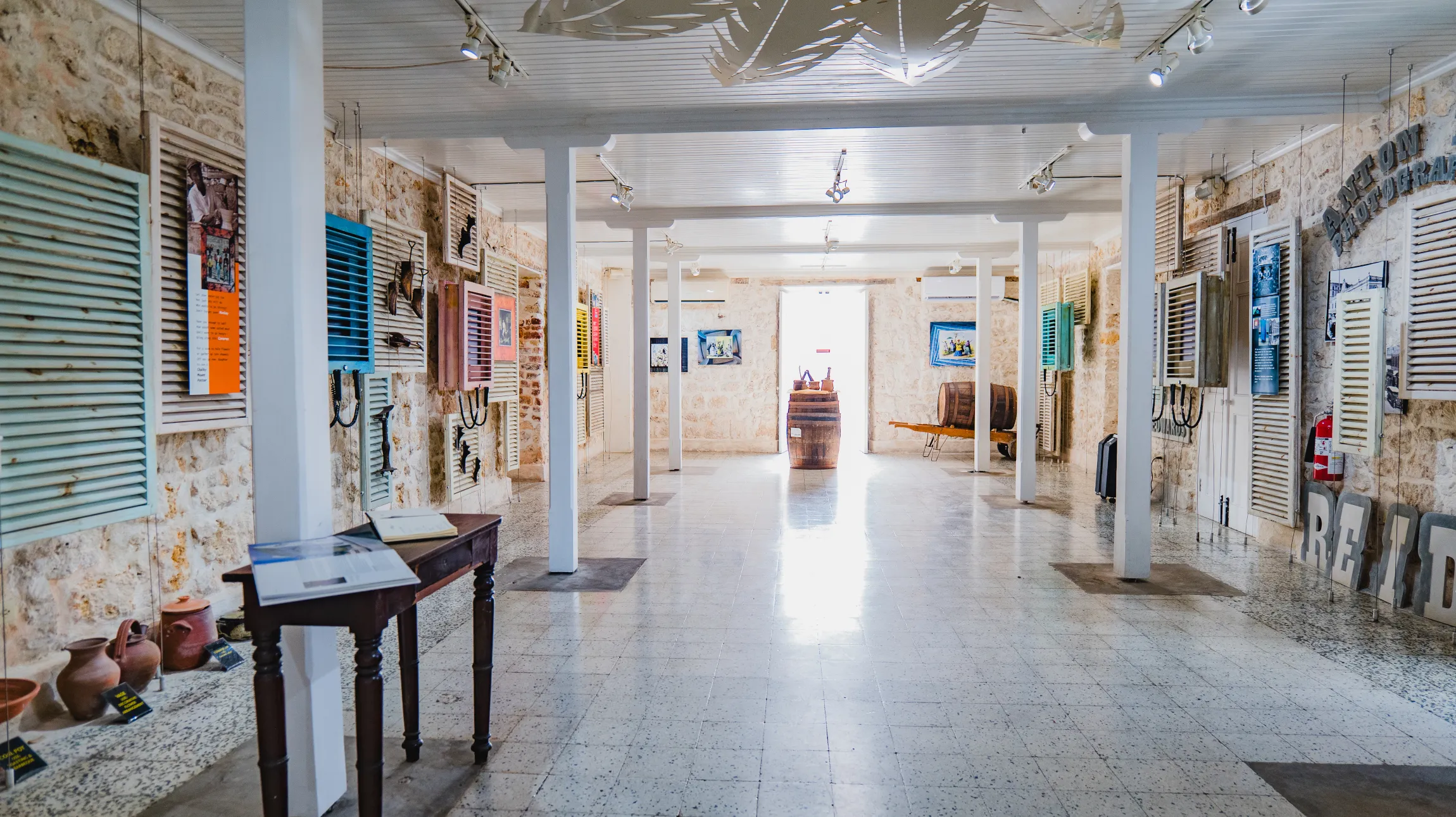
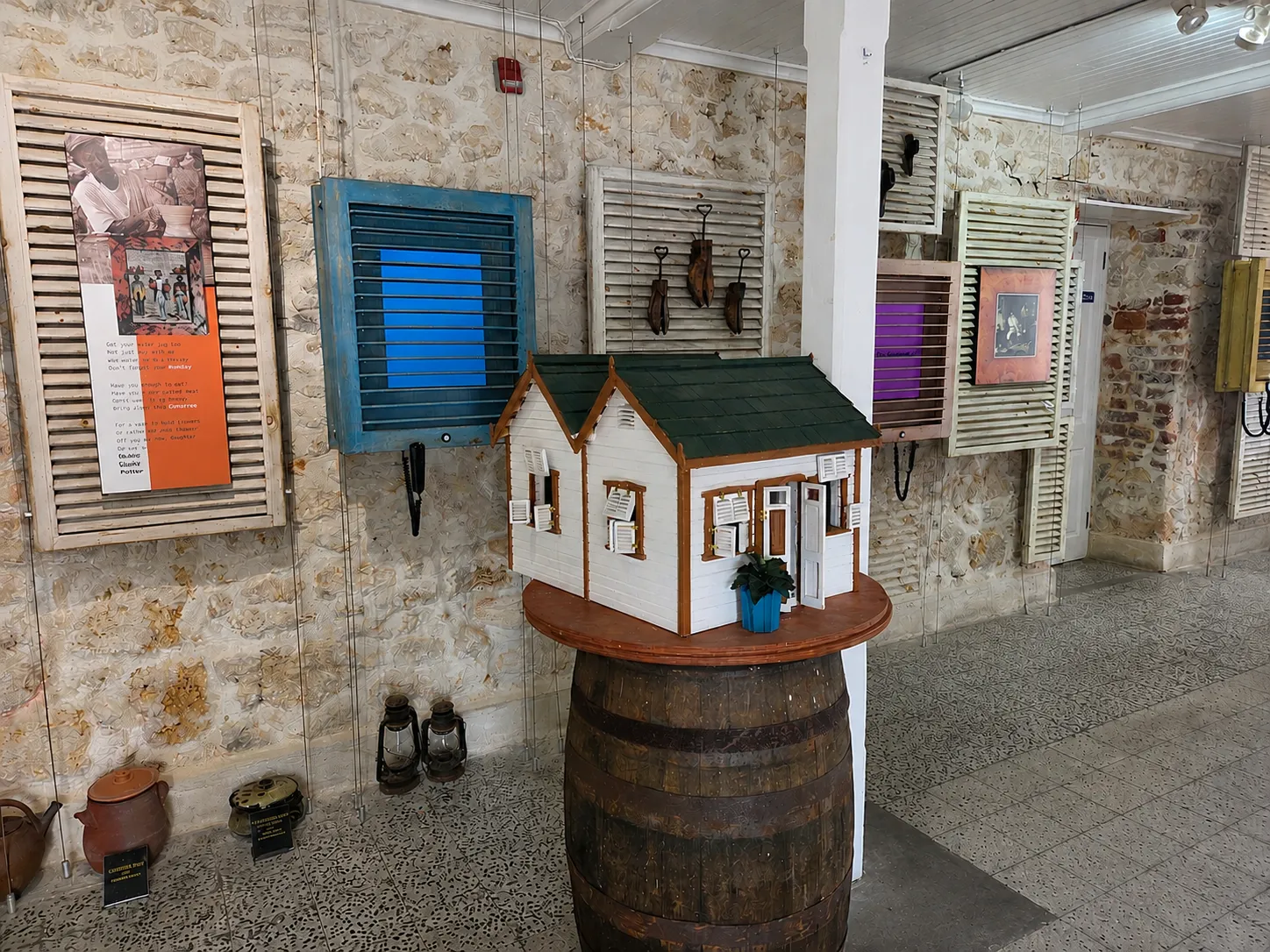
The museum uses the building itself as part of the storytelling. On the ground floor, louvred shutters, characteristic of Barbadian period architecture, serve as display frames, and a model chattel house sits alongside objects from everyday life. Audio handsets let visitors hear from local voices: tradespeople, craftspeople, and community members.
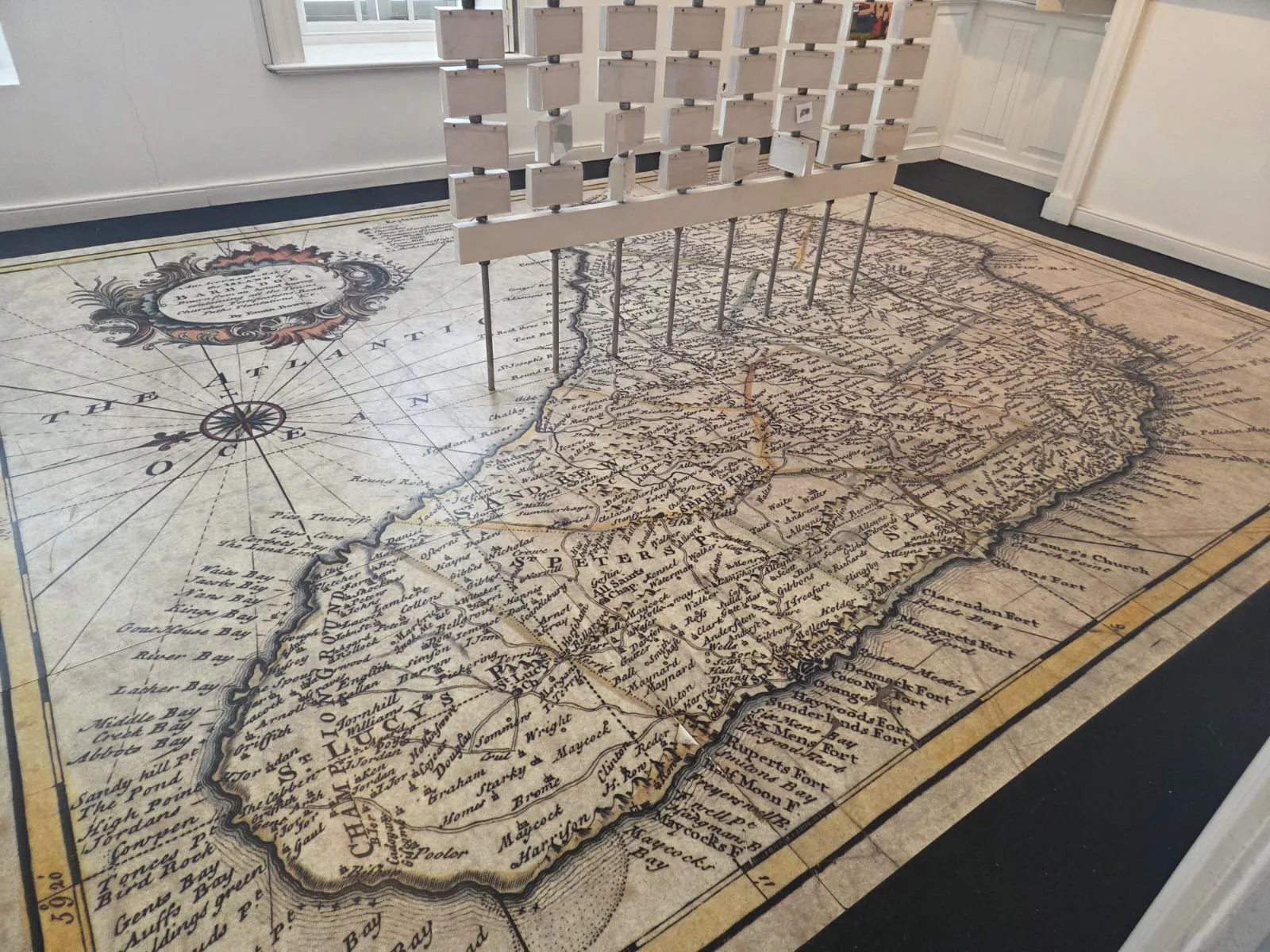
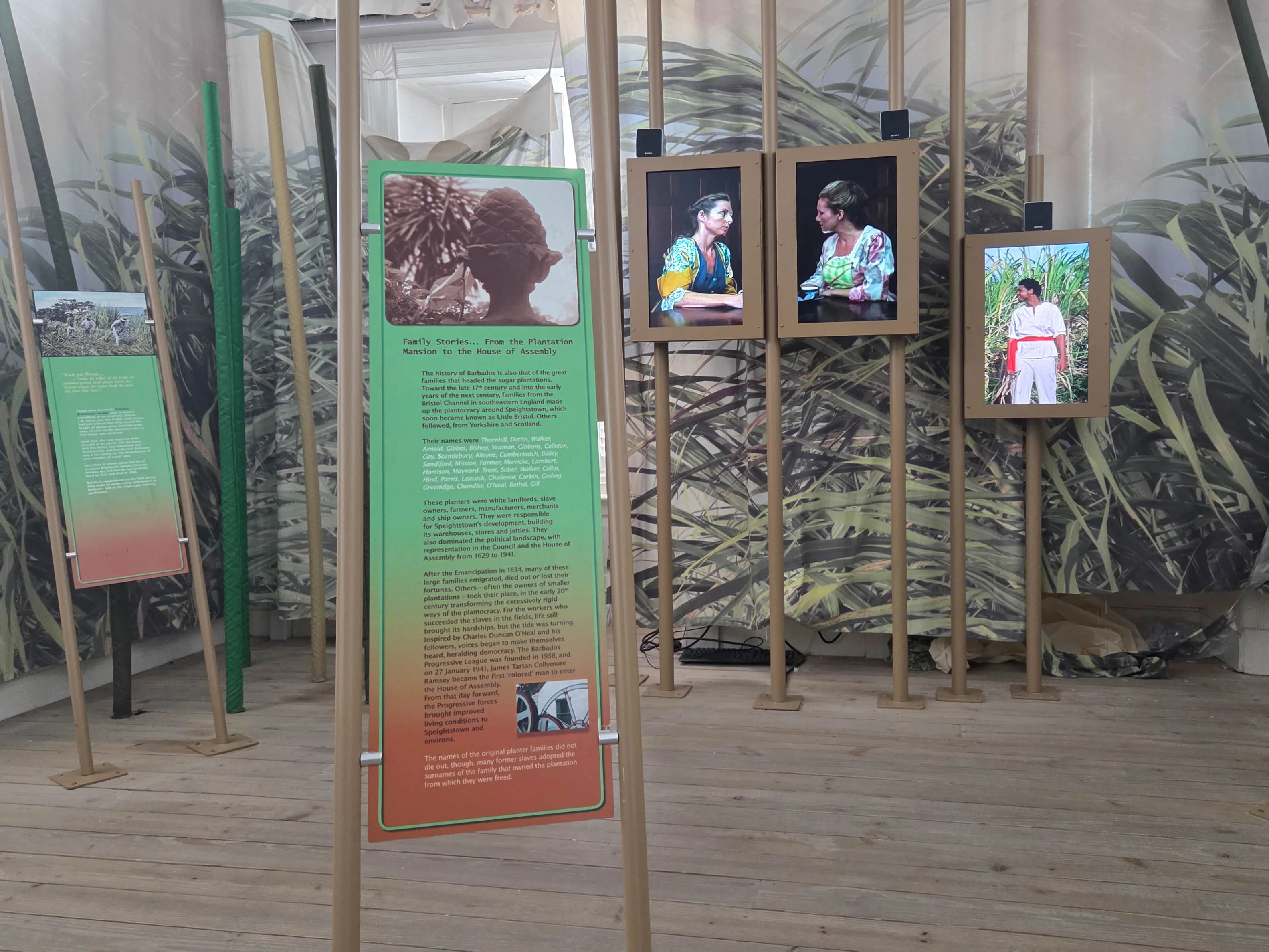
The second floor opens with an 18th-century map of Barbados printed across the entire floor. The Plantation Memories room beyond places visitors inside a life-size recreated sugarcane field. Panels, film, and audio testimonies cover how sugarcane became the dominant crop, the plantation system that built Barbados’ wealth, and what it meant to live and labor within it, told in part through first-person accounts, including Olaudah Equiano’s description of his arrival in Barbados as an enslaved fourteen-year-old. It is among the most affecting rooms in the museum.
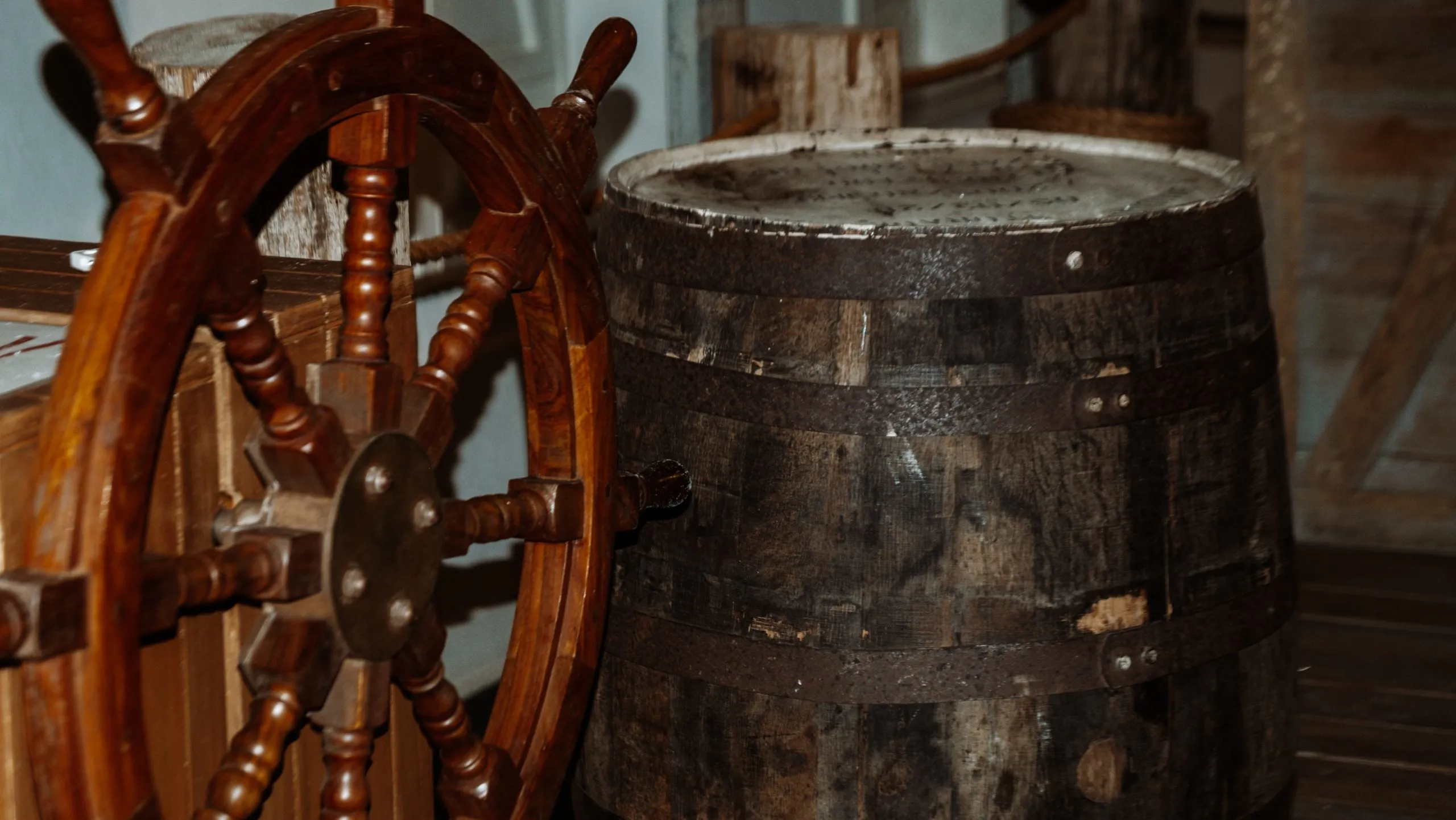
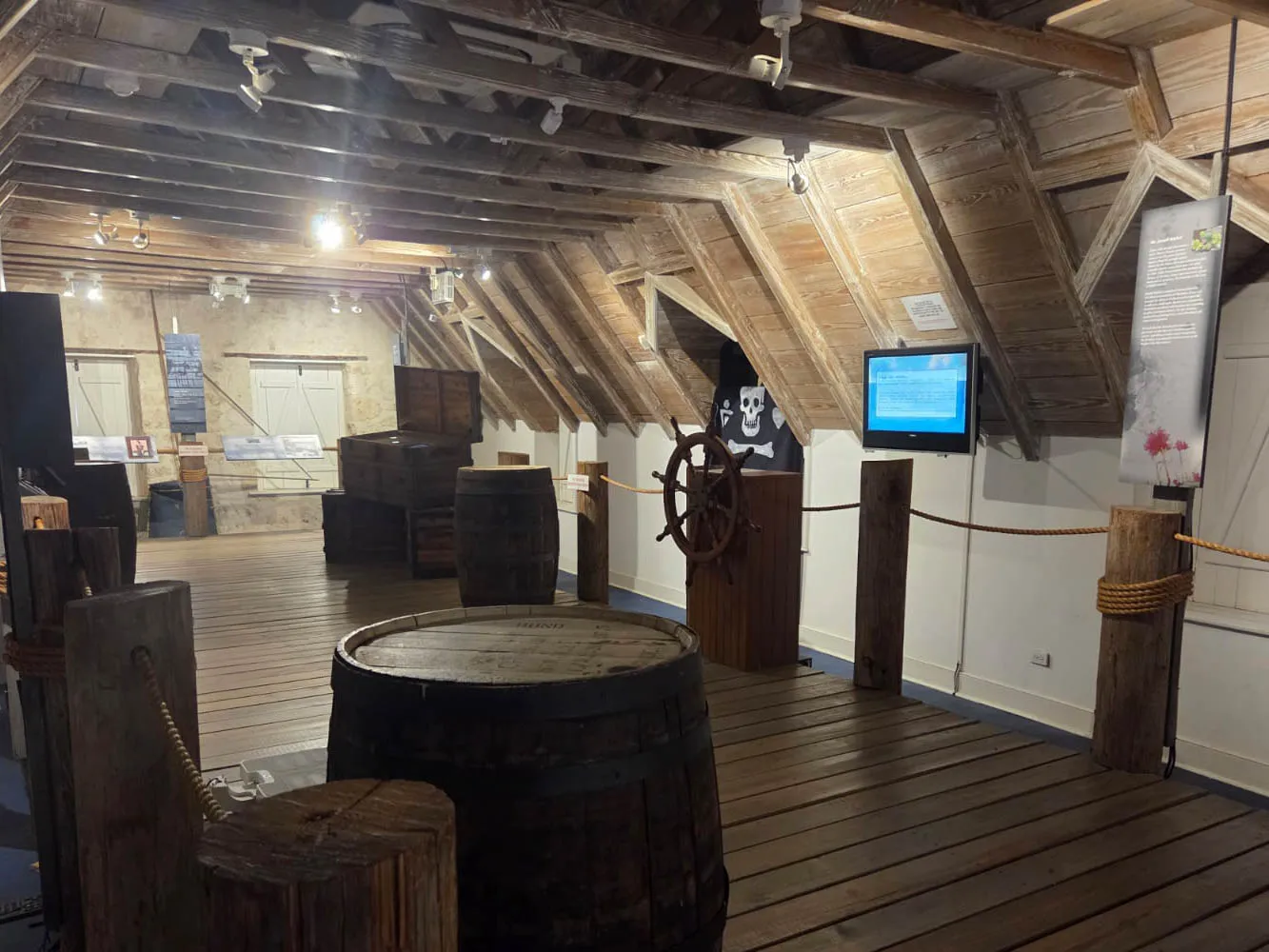
The top floor, Wharf Memories, is built to evoke a ship’s hold and is particularly popular with younger visitors. It covers Speightstown’s seafaring past: the flying fishermen, the whaling industry, a talking pirate installation, and the story of the 20,000 Barbadians who left between 1904 and 1909 to build the Panama Canal, sending home money that built whole districts of Bridgetown.
Across three floors, it adds up to a remarkably complete picture of how Speightstown in particular, and Barbados in general, came to be.