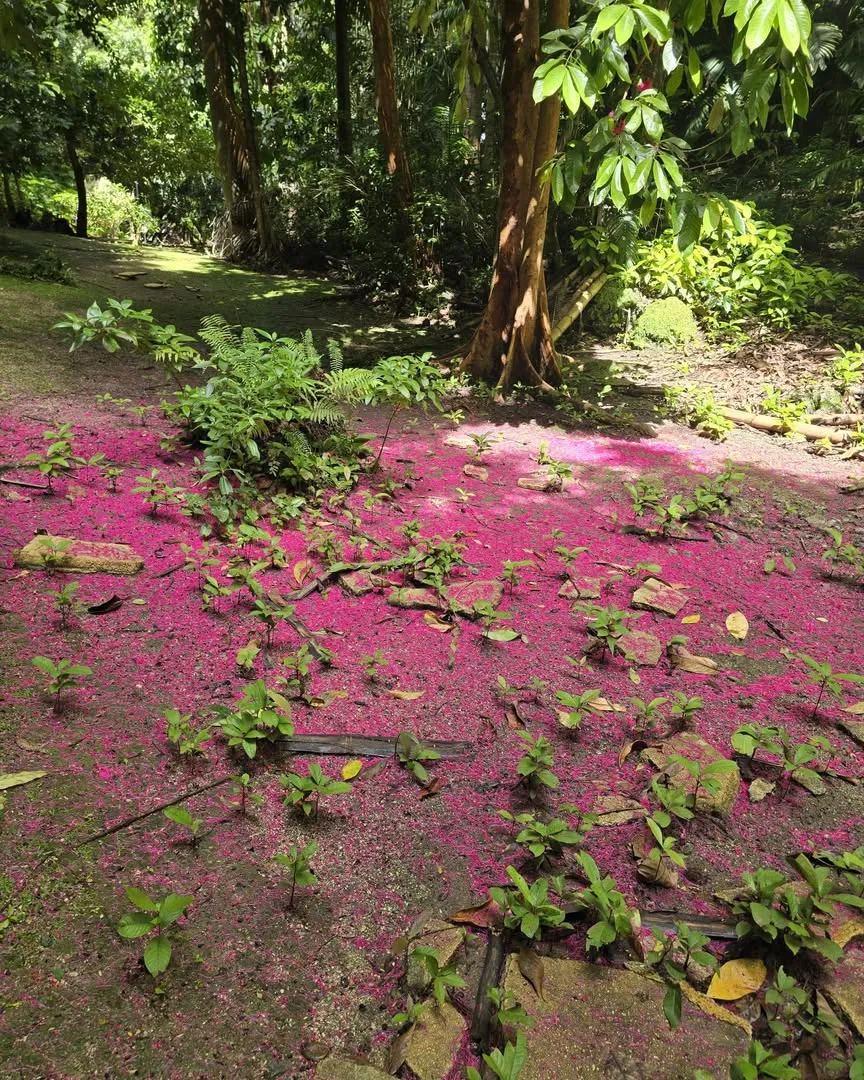
Welchman Hall Gully - Home of the "forbidden fruit"
By Rekke Editorial
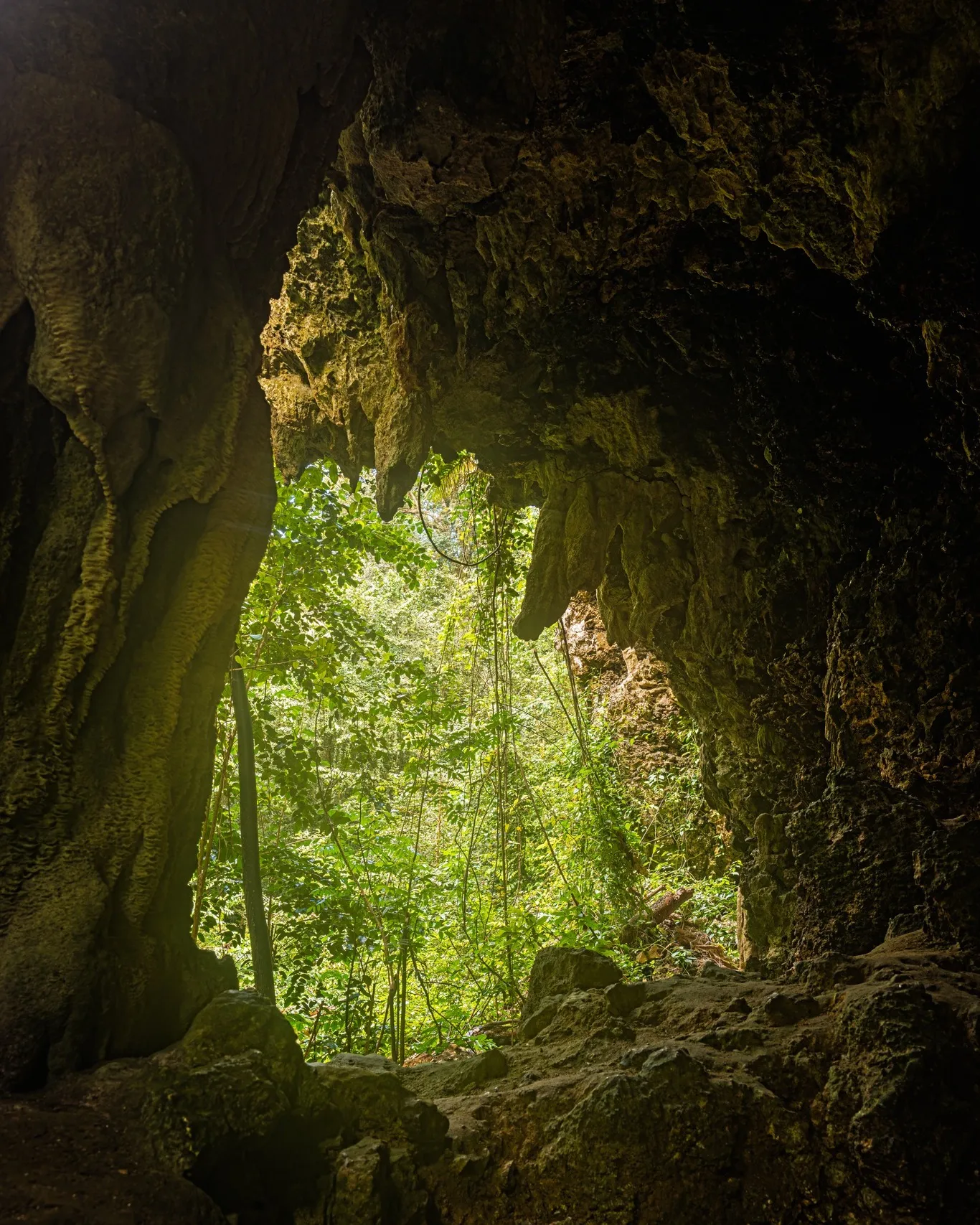
Barbados is an island surrounded by coral reef and more interestingly it is itself composed entirely of coral limestone. Limestone is a porous material, acts as a natural filter for rainwater which when it percolates through the rock gives a ready source of freshwater for the island.
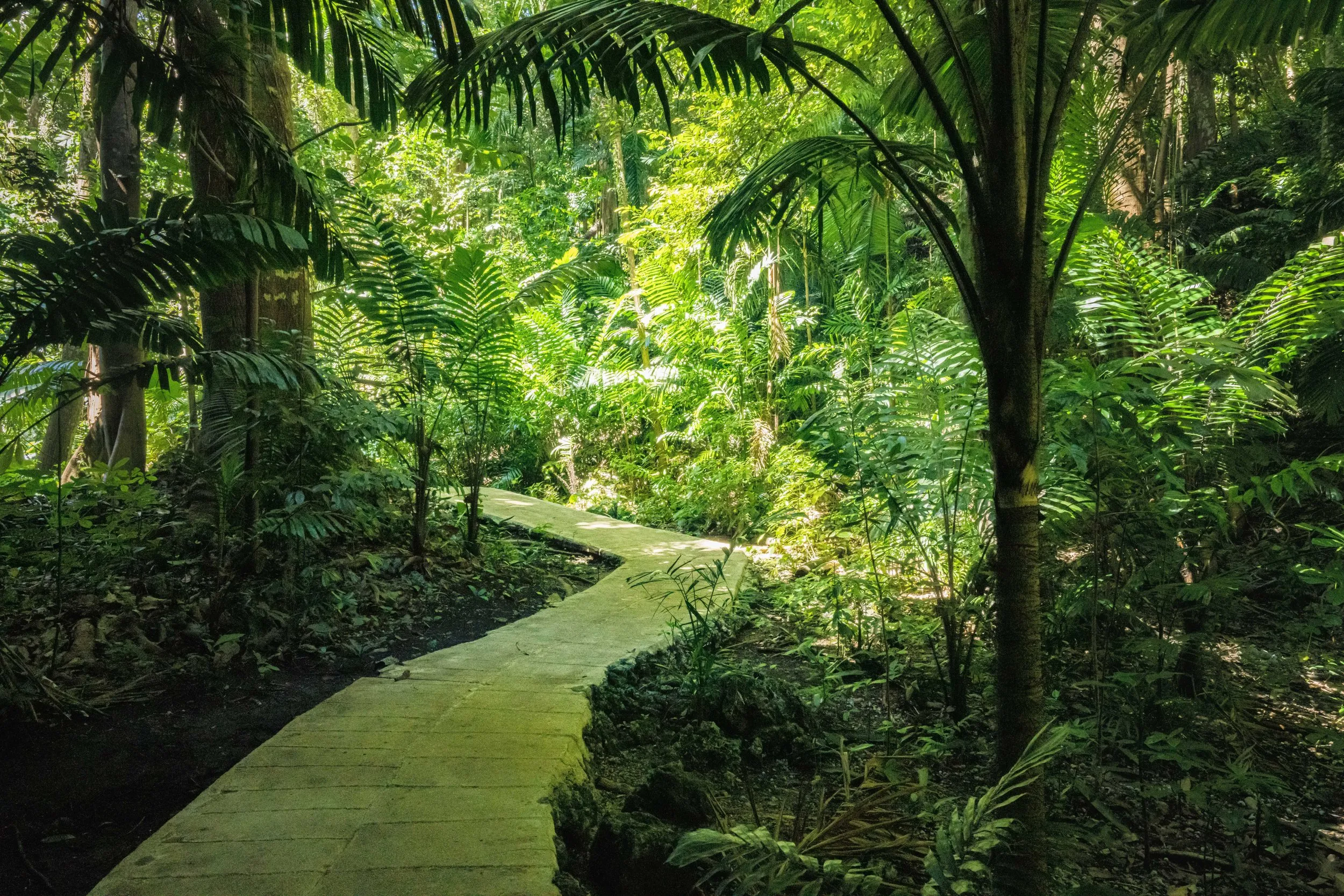
Rainwater dissolves the limestone over time and creates structures such as caverns as well as stalactites and stalagmites. It is this dissolution of the limestone over millions of years that resulted in the formation of caves and gullies. Gullies are trenches in the ground carved by fast running water over time. Their distinctive characteristic is that they are heavily wooded, generally dry but can have water running in them at times of heavy rainfall. They are vital to the island in many ways, as drainage channels, as a home for important native species of plants and animals, a means of transportation or a shortcut between villages and as sources of food, firewood, medical plants and shelter.
Artefacts found in some of these gullies such as those in St. Nicholas Abbey, show the historical importance, that the cave areas were once used for social gatherings, relaying information and giving the enslaved their own space away from those dominated by the planter class.
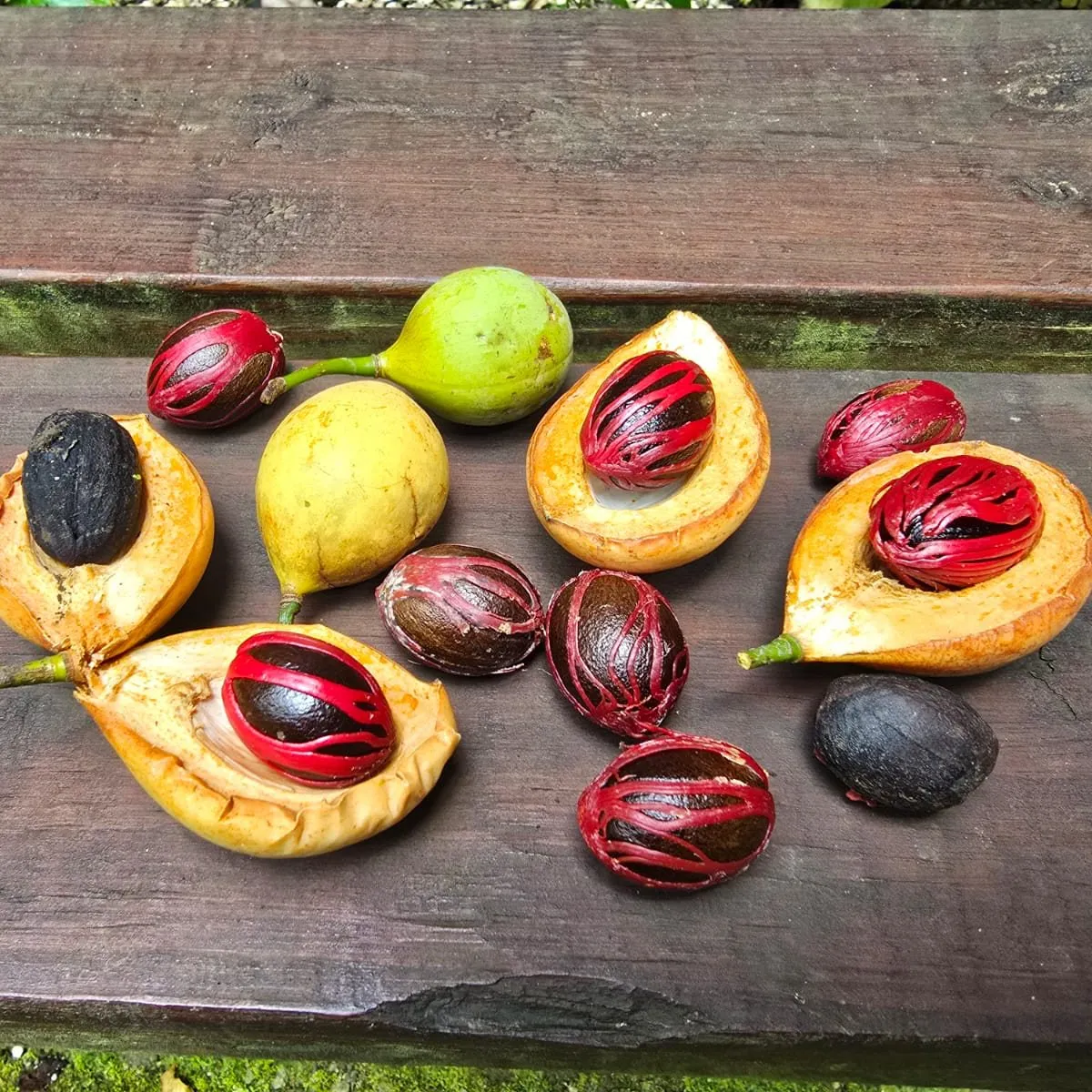
These gullies are located throughout Barbados, starting in the central highland, radiating out towards the coast, however a few like Welchman Hall Gully stand out. It was once part of Welchman Hall Plantation, owned by General William Asygell Williams of the Welsh Fusilier Regiment who arrived in Barbados when he was banished by Cromwell after losing the Battle of Bristol in 1650 during the English Civil War. Welchman Hall Gully offers a glimpse into Barbados’s colonial past, as with many who were banished, he was one of the early settlers who established sugar plantations on the island. As land was cleared for the plantations, vast quantities of native plants and trees were lost. However, General Williams had a keen interest in botany and developed the Gully to plant many exotic trees including a nutmeg grove, clove trees, citrus and palms as well as an orchard.
Welchman Hall Gully, approximately 800feet above sea-level has spectacular views and is home to around 200 of the 650 species growing wild in Barbados and around one third of these are native plant species such as the Macaw Palm and Bearded Fig tree. The remaining two-thirds have been introduced since colonisation.
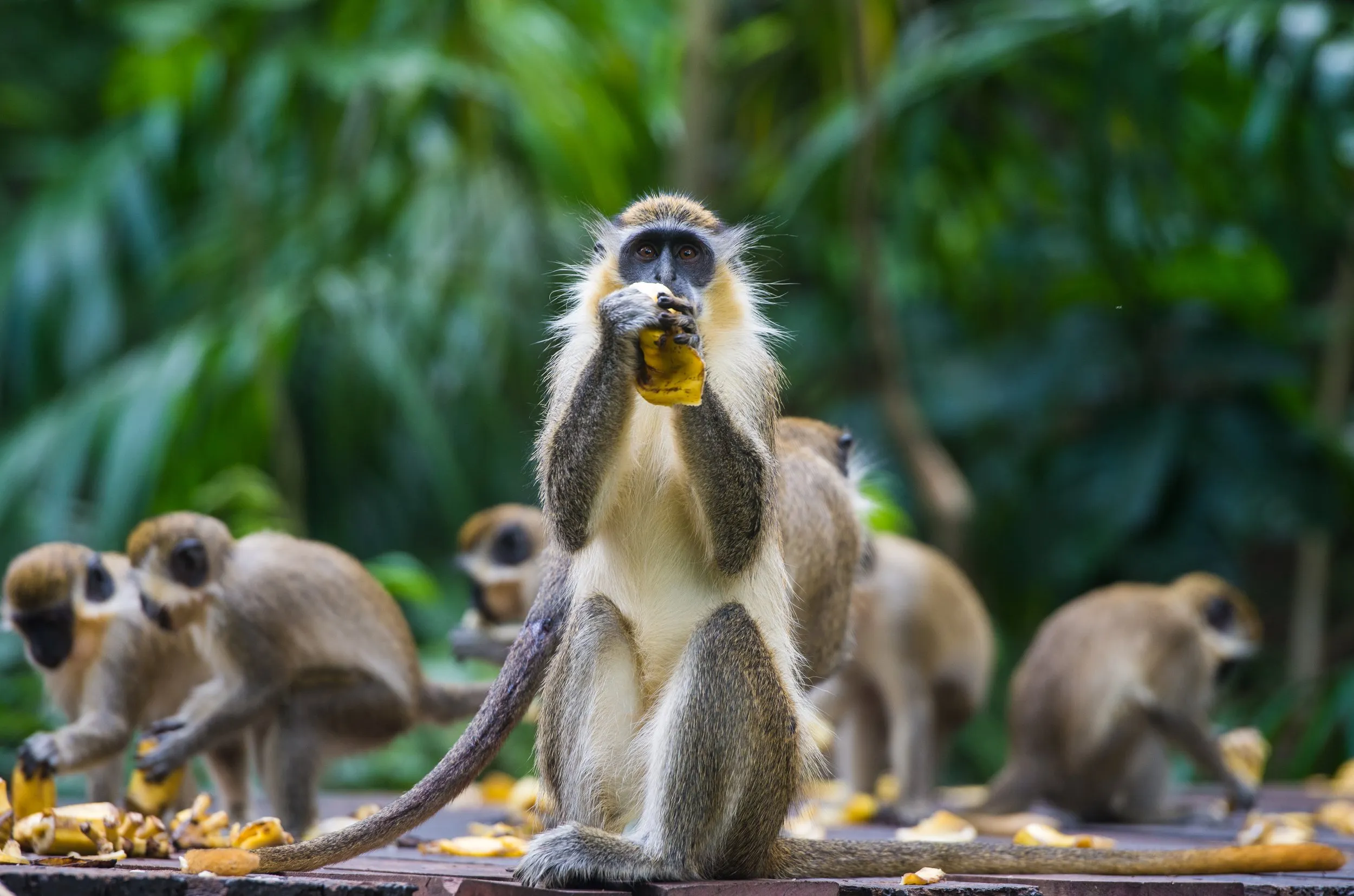
Why are they important? - The density, variety and richness of the vegetation in these gullies provide a substantial food source as well as habitat for wildlife species like the green monkey. Birds, butterflies, and reptiles such as lizards and the endangered Barbados thread snake (the world’s smallest snake) have also been found in these gullies.
The Barbados National Trust took over the site in 1962; they set about preserving the natural heritage and to evoke greater public awareness and interest. Today it is under the stewardship of Deborah Branker.
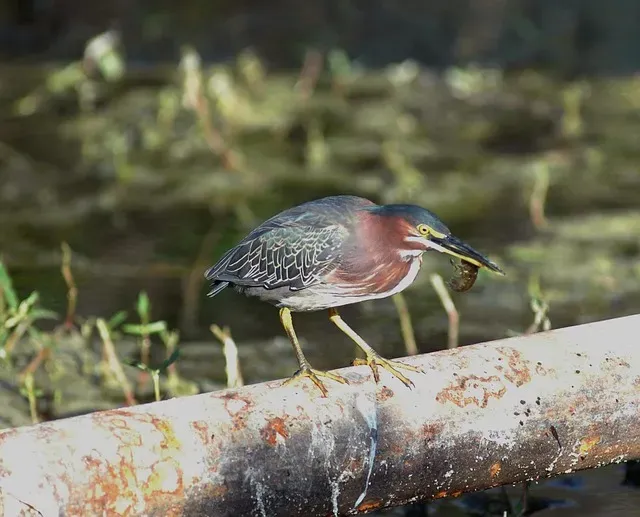
Projects such as the Native plant project is designed to revitalise Barbadian flora through conservation, education and research. Fauna at Welchman Hall Gully is wide and varied from millipedes, tiny snakes to possibly the worlds’ most intelligent bird, the green backed heron.
As a result of propagating and returning native plants to Welchman Hall Gully, the number of birds and butterflies has increased.
And of course, Welchman Hall Gully is home to a large troop of Green monkeys. These are wild monkeys but treat the Gully as their home so visitors can see them swinging from the trees, walking along the gully floor and even feeding. Food is put down for them, but they are not hand fed. You might be lucky and see them arrive at the platform in the morning when the food is out for them but as you might expect, they are wild so don’t always turn up on time!
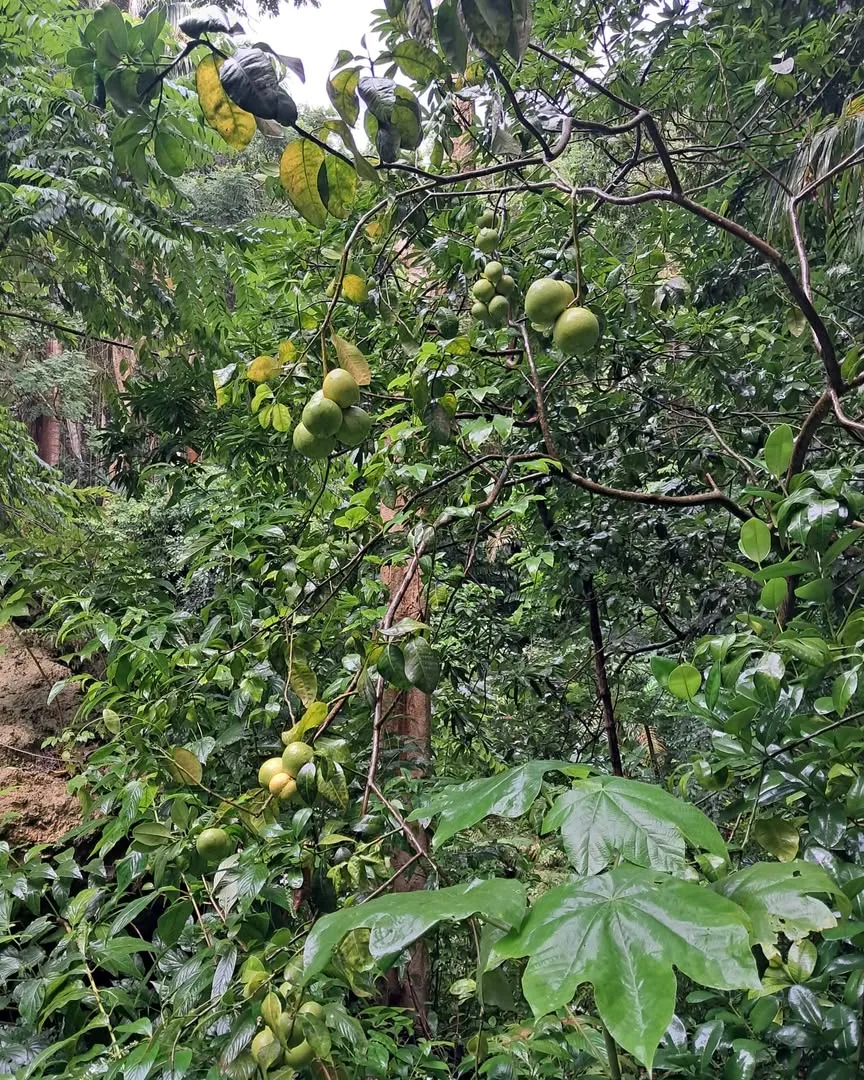
The grapefruit (Citrus paradisi), is thought to have originated in this Gully – a cross between the naturally sweet orange (Citrus sinesis), and the Shaddock (Citrus grandis). It was quite common and was mentioned by George Washington in his ‘Barbados journal as the “the forbidden fruit” after he encountered it as a local fruit at a dinner party.
Guided tours are available throughout the week at specified times, outside of this, walks through the Gully are self-guided and a guidebook is provided which highlights plants and features. Alternatively, you can book a private tour, the gully is wheelchair accessible.