Unique Eastern Caribbean Observatory - Harry Bayley
By Rekke Editorial
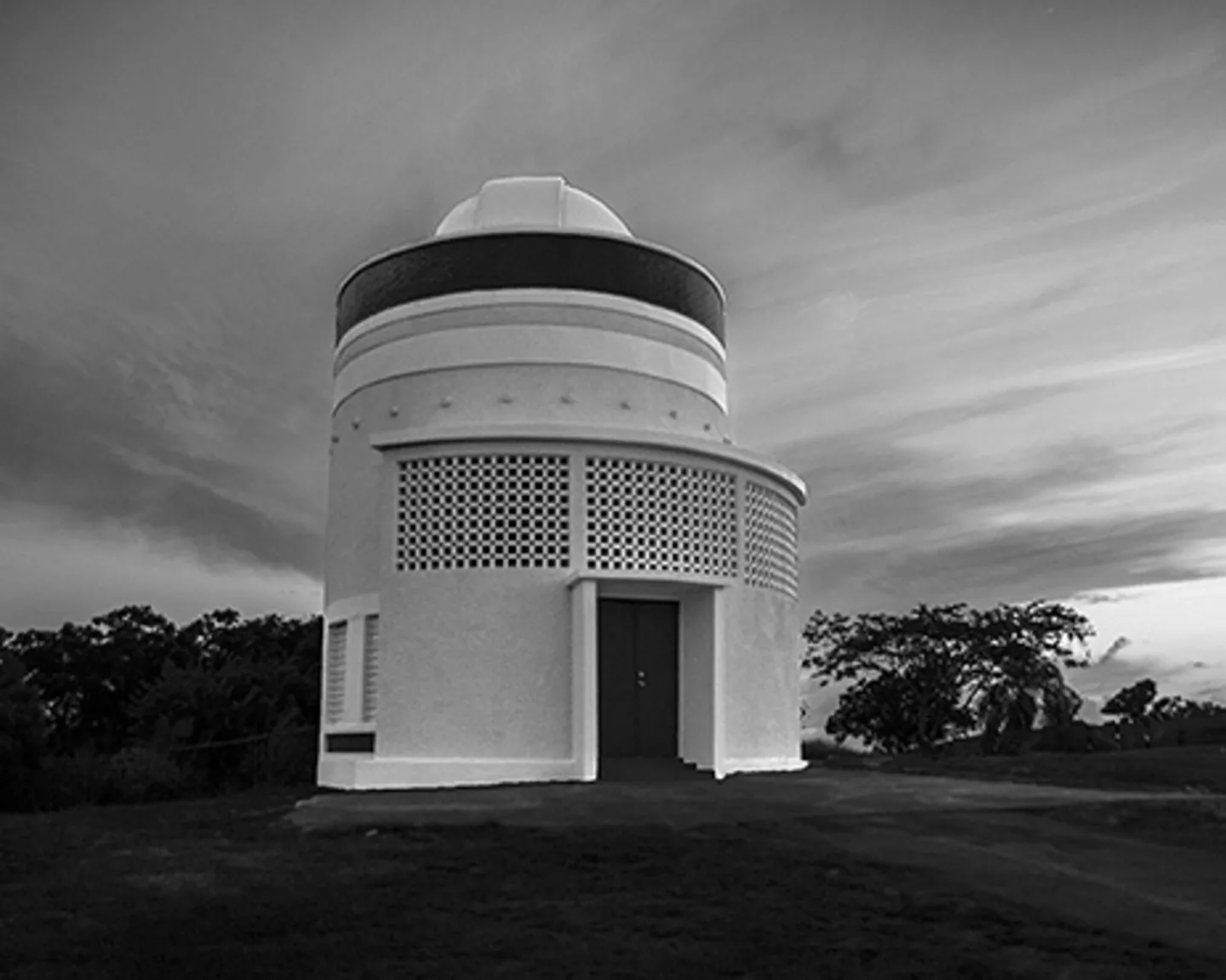
The Harry Bayley Observatory
Named after Dr. Harry Bayley, distinguished Barbadian and keen amateur astronomer, Harry Bayley Observatory is the only one of its kind in the Eastern Caribbean. Situated in Clapham, St. Michael, the Observatory was officially opened in 1963, and has been recently refurbished and re-equipped with a 16-inch Meade telescope, and a Lunt 80mm solar telescope, thanks to the generosity of the Sfumato Foundation.
“Dr. Bayley (1908-1958) was perhaps the most brilliant Barbadian physician of his own or any previous generation. He carried out research on many topics and earned an MD (Cambridge) for his individual work on the disease leptospirosis in the 1940s, demonstrating the real cause of what had been known for generations as ‘Barbados jaundice’. He built the first modern hospital and medical laboratory in Barbados (the Diagnostic Clinic) and introduced many techniques of modern laboratory and clinical medicine to Barbados.”
A~Z of Barbados Heritage by S. Carrington, H. Fraser, J. Gilmore & A. Forde; MacMillan Caribbean
The Barbados Astronomical Society is an incorporated, non-profit organization of amateur astronomers, and was founded on June 12, 1956, by Dr. Harry Bayley and Mr. Eustace Thomas. When Dr. Bayley died in 1958, the membership voted to erect an observatory in his memory. An acre of land at Clapham, St. Michael, was donated for the site of the building which was designed by the late Barbara Hill. Following a five-year campaign of fund-raising by members and donations from a generous public, the observatory was constructed and finally dedicated in January 1963.
The society was developed to promote, foster and develop the knowledge of astronomy to residents of, and visitors to, Barbados.
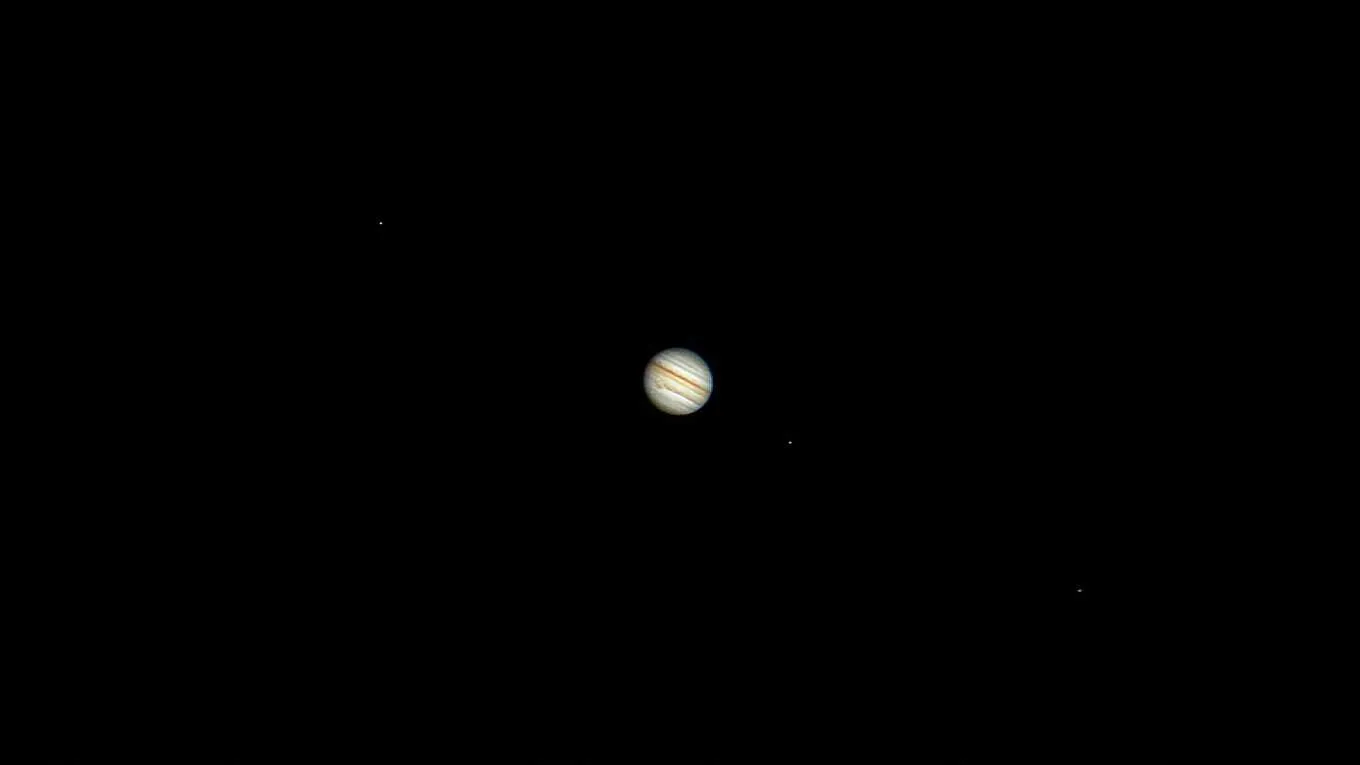
On Friday nights, weather permitting, the Observatory is open to the public from 7:00PM. For a modest fee, residents and visitors alike can view the wonders of the night sky through the telescope. On a typical night, one or two planets and several deep-sky objects are observed.
From time to time, the Society conducts evening courses in astronomy, covering topics such as: The History of Astronomy, The Solar System, Celestial Navigation, Telescopes and Optics, and Observing the Night Sky. Check their website for specific details.
Each April or May, the Society organizes a programme of free and educational activities for all ages as part of International Astronomy Day.
Celestial showpieces you may get to enjoy (weather conditions permitting)
🌕 The Moon — Earth’s closest neighbour
🪨 Ceres — A dwarf planet in the asteroid belt
🟠 Jupiter — The giant king of planets
🪐 Saturn — Famous for its stunning rings
🔵 Uranus — A blue-green ice giant
🔵 Neptune — The windiest planet in the Solar System
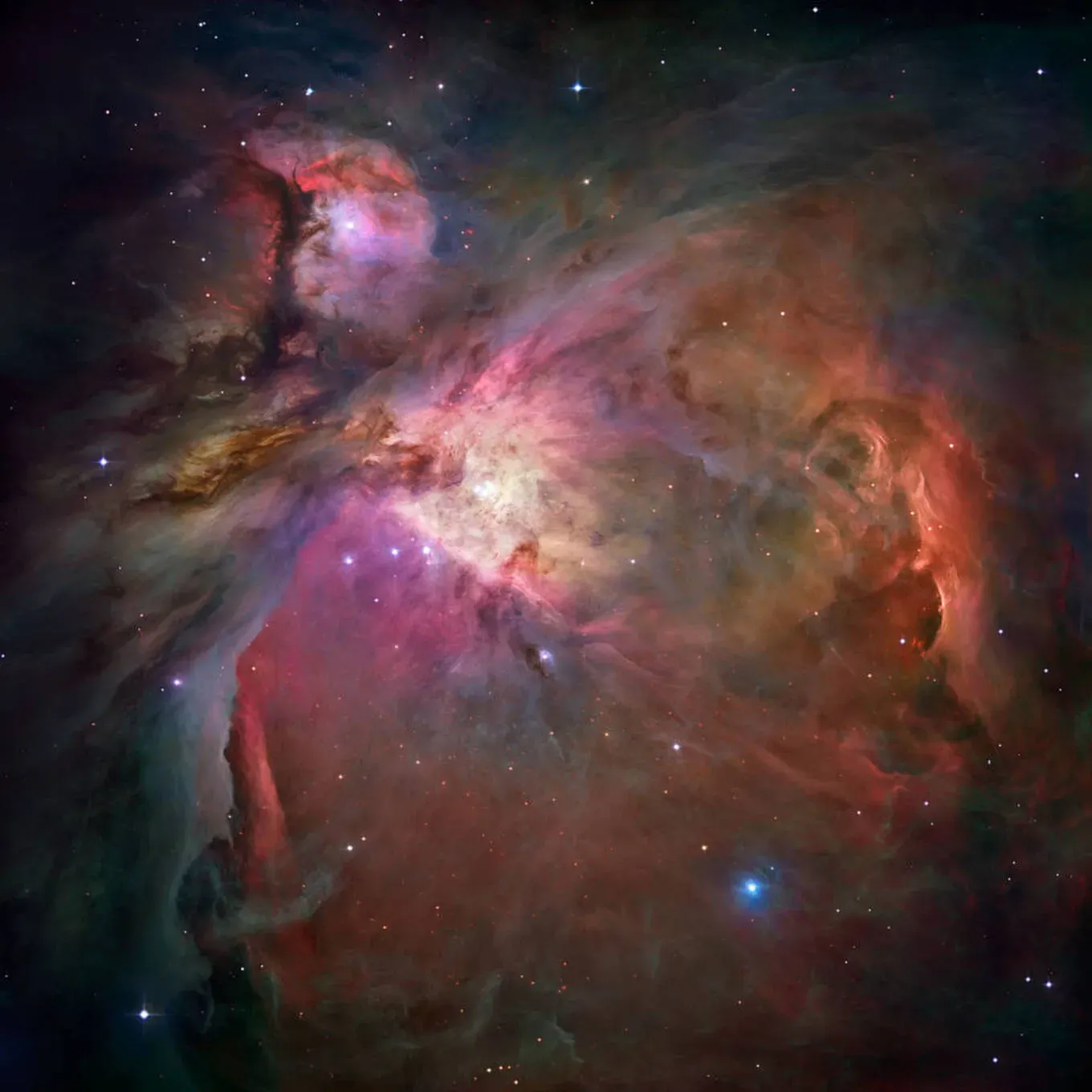
🌌 Orion Nebula — A stellar nursery where stars are born
Visit The Harry Bayley Observatory