The Caribbean Wax Museum
By Rekke Editorial
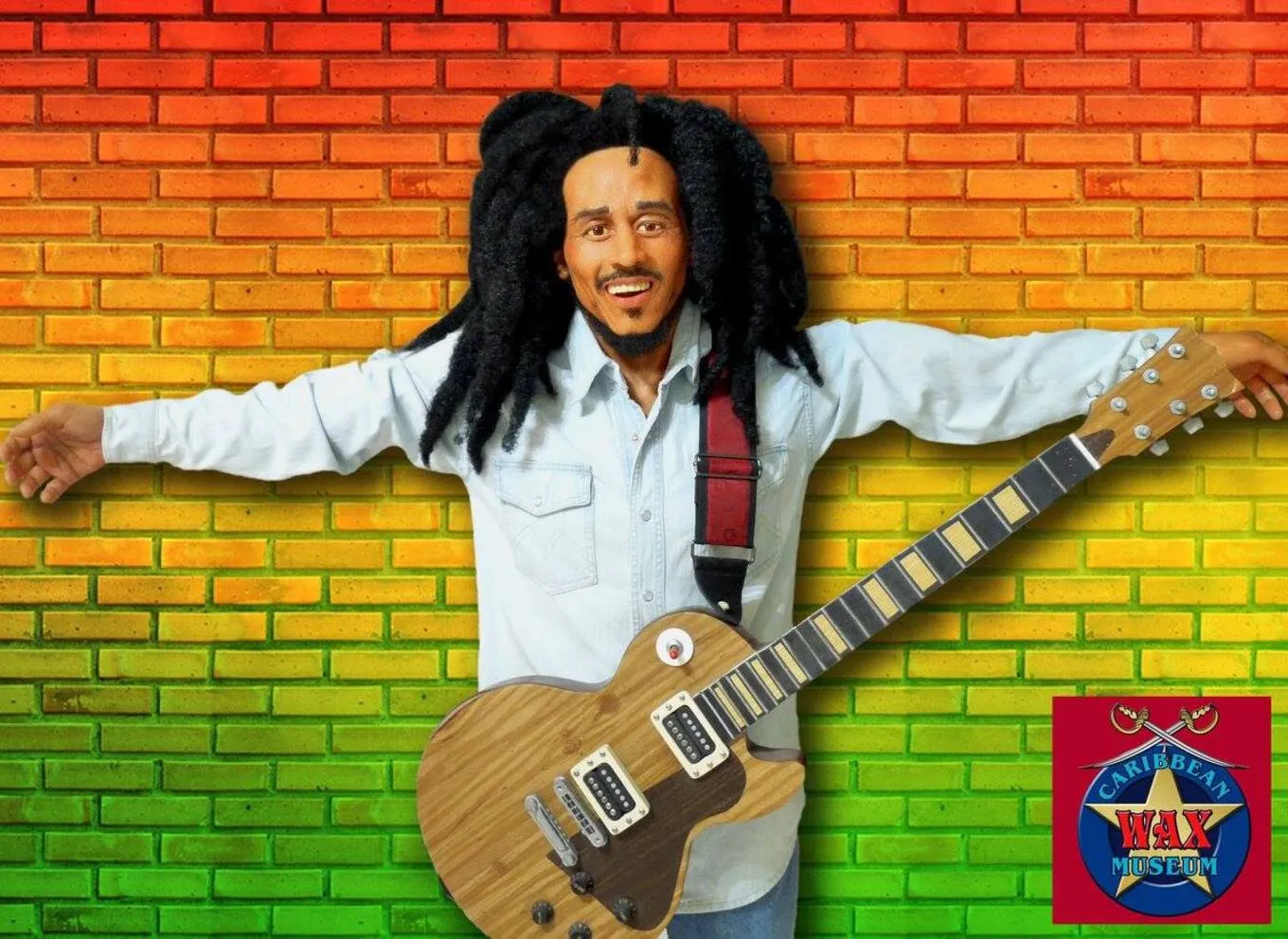
The name is a slight lie. The figures at the Caribbean Wax Museum are not made of wax. They are silicone rubber. Frances Ross, who paints and styles every figure alongside her partner Arthur Edwards, explains: “Would you go to a Silicon Museum?”
Arthur and Frances built the museum themselves, starting with small pottery figurines sold at craft markets before Arthur had the idea to scale up. Instead of selling them, charge people to look. Frances was not convinced at first. They ordered silicone from a supplier in Texas, watched the instructional video, and worked out the rest themselves.
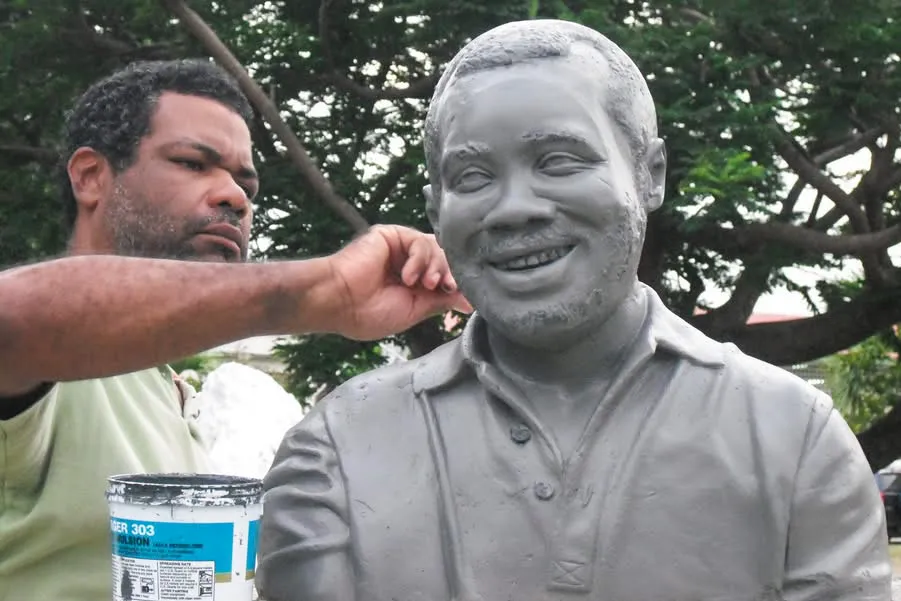
Each figure takes around four months to make. Arthur sculpts the likeness in plasticine, makes a mold, then casts the face in silicone rubber. The result comes out of the mold clear and slightly streaky. Frances then mixes pigment into fresh silicone and works across the face in small sections, a few minutes at a time before it sets. Eyes are resin, glossed to a shine. Hair goes in strand by strand with a sewing needle: every eyebrow, every hairline, every patch of stubble, one hair at a time.
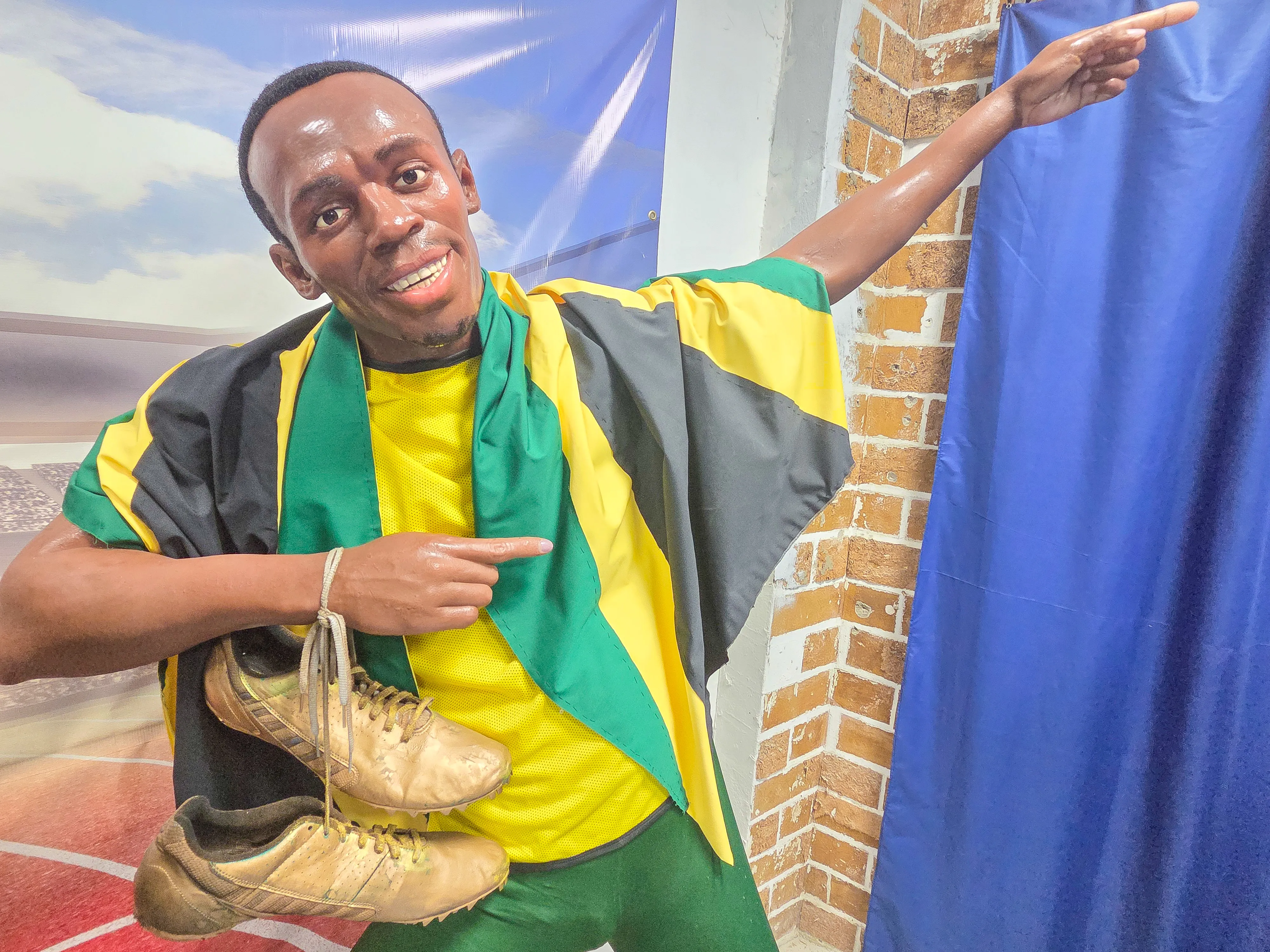
The museum has over seventy figures, spanning Barbados, the wider Caribbean, Latin America, and beyond. Errol Barrow, Barbados' first Prime Minister, stands with three fingers raised, the way he held them on Independence Day, not a victory sign as it turns out, but the trident. Sir Garfield Sobers and Brian Lara face each other in cricket whites, both with a deliberate sheen on their skin that makes them look like they just walked off the field mid-match. Usain Bolt has the same effect, holding his spikes and pointing at the Jamaican flag, sweat-glazed. Frances does it intentionally: "it's the hot sun," she says. Olaudah Equiano, the formerly enslaved man who taught himself to read and write and published his memoir in the 1700s, sits in a red coat beside a print of his portrait. William Wilberforce, who spent eighteen years petitioning the British government before the slave trade was finally abolished, died a few months after seeing it happen.
Some exhibits come with footnotes. Sam Lord, the Barbadian pirate, has no known portrait, so the figure wears the face of Richard Branson. (“He doesn’t know,” Frances says, “but I think he’d probably like it.”) Irving Burgie, who wrote thirty-four songs for Harry Belafonte, asked specifically to be placed as far from Belafonte as possible. Hollywood had spent years crediting Belafonte for songs that were Burgie’s.
Several subjects have donated their own clothing to the museum. Wendy Fitzwilliam, Miss Universe 1998, gave the actual dress she wore when she won. Emil Straker of the Merry Men pulled his stage costume from the back of his wardrobe. Alison Hinds gave her outfit. When Obadele Thompson, Barbados' Olympic bronze medalist in the 100 meters, came to see his own figure, his mother had already arrived ahead of him carrying one of his actual Olympic tracksuits.
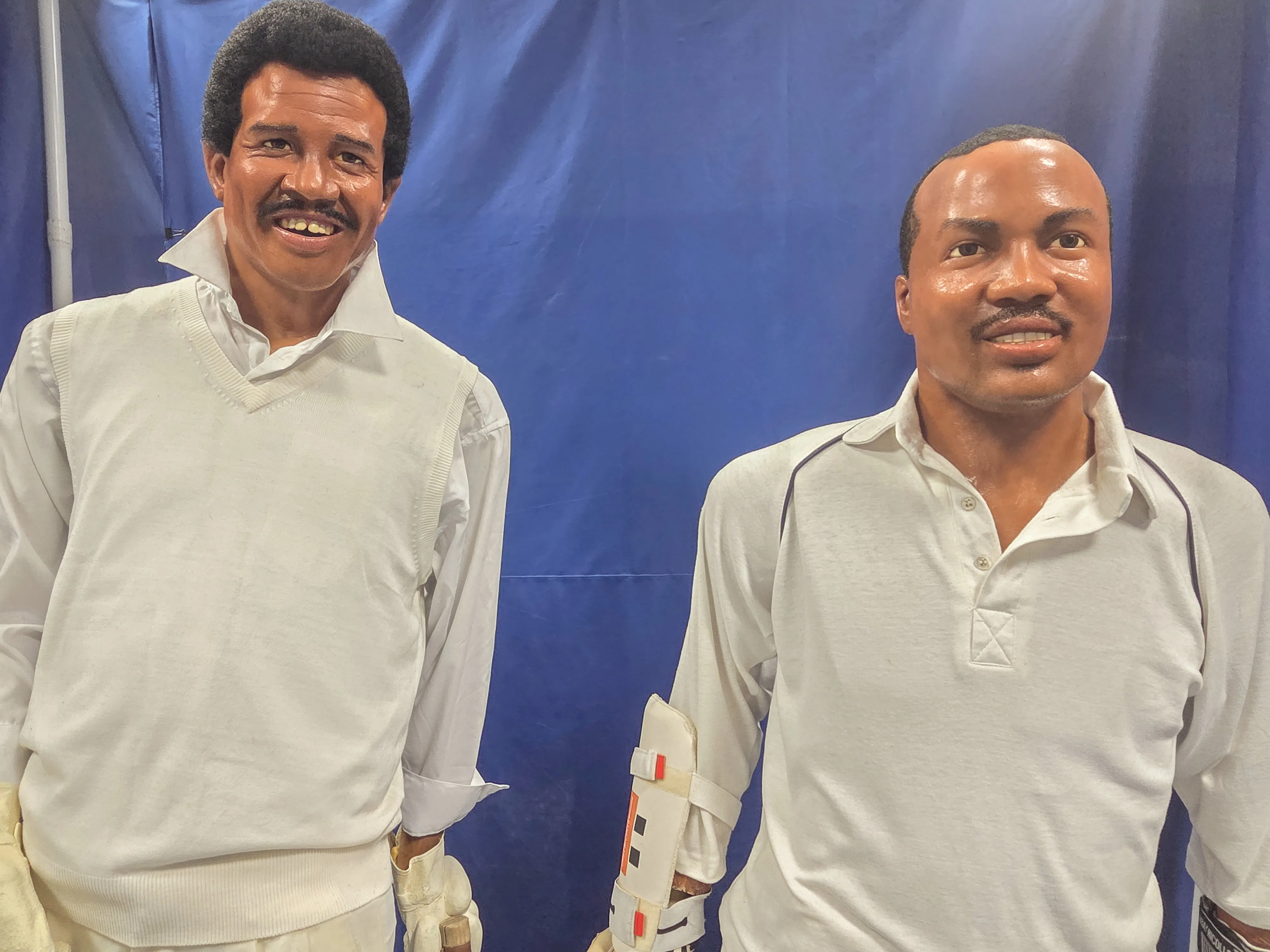
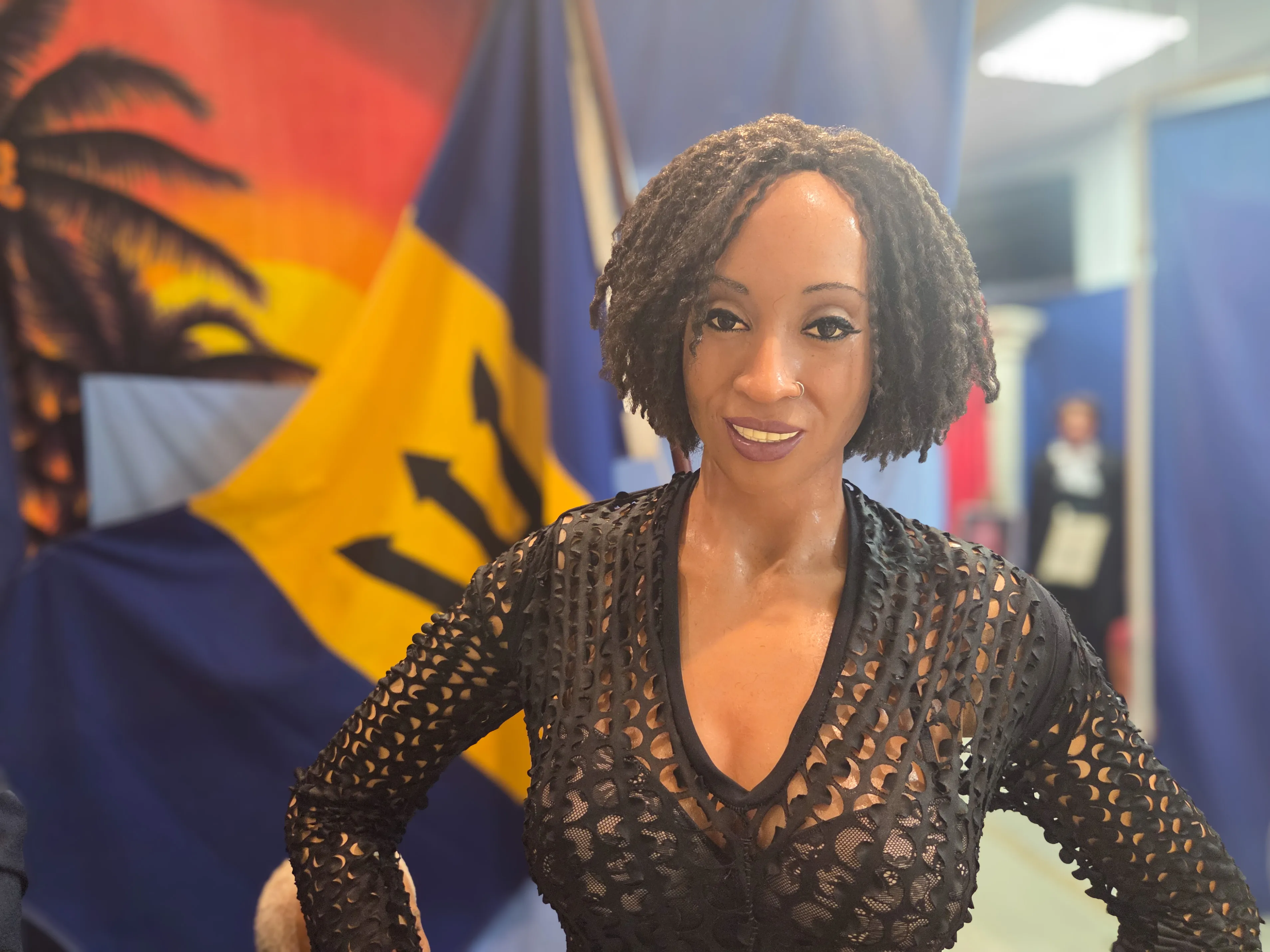
The space itself is not what you might picture. The museum sits upstairs in a shopping centre in Bridgetown, and the figures stand close together with backdrop screens behind them, not in themed rooms or grand archways. It is a little cramped, and the layout is not always intuitive. What it has in place of polish is density: seventy-odd figures and the stories behind them, pressed into a single room. Visitors say the same thing: they went in not knowing who half the figures were and came out wanting to read more.
Frances and Arthur are opinionated guides. They have strong views on who deserves to be remembered and why, and they are not shy about sharing them, and the tour can veer into territory that surprises some visitors. But the passion behind it is genuine: this is a museum built by two people who decided that too many important figures from Caribbean history were being forgotten, and did something about it.
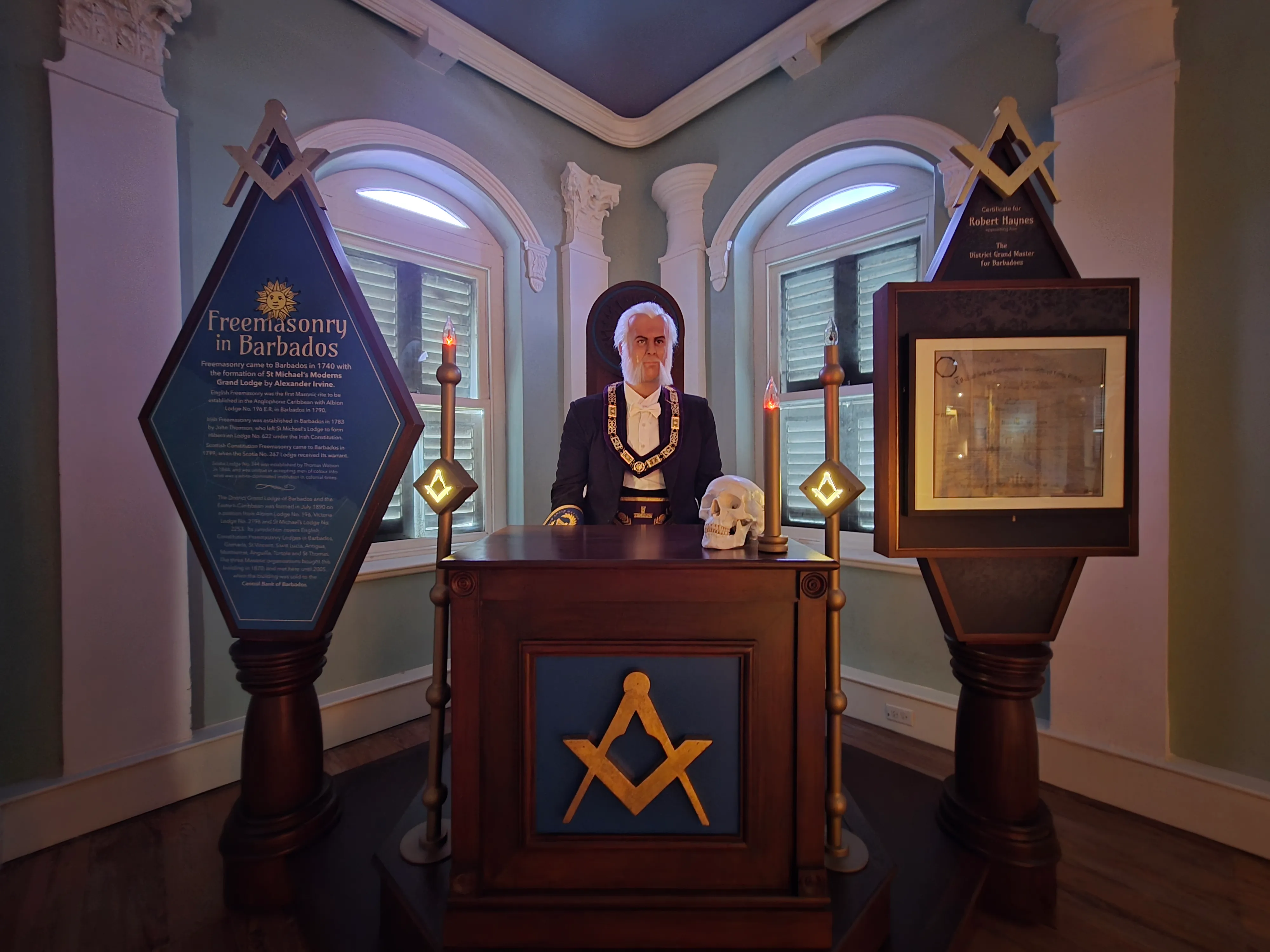
Arthur and Frances also work on commission. Their figures of Rachel Pringle and the District Grand Master are at the Exchange Museum in Bridgetown. Bronze work from the studio stands at Heroes’ Square and Freedom Park. Figurines can also be found at the Cricket Legends Museum and Sky Mall.
For now they are looking for a larger space: somewhere with room to give each figure a proper stage and backdrop, and somewhere at street level where people might actually walk in. Until then, the museum is where it is: upstairs, off the beaten path, and worth the effort to find.
Helpful Hint
The museum isn’t always staffed; calling ahead or WhatsApp-ing ahead to +1 (246) 242-7881 before visiting is recommended. If no one is there on arrival, a call or message to the same number usually brings someone within 20 minutes. The food court on the same level is a convenient place to wait.
The Exchange Museum is a short walk away and well worth combining into the same visit.