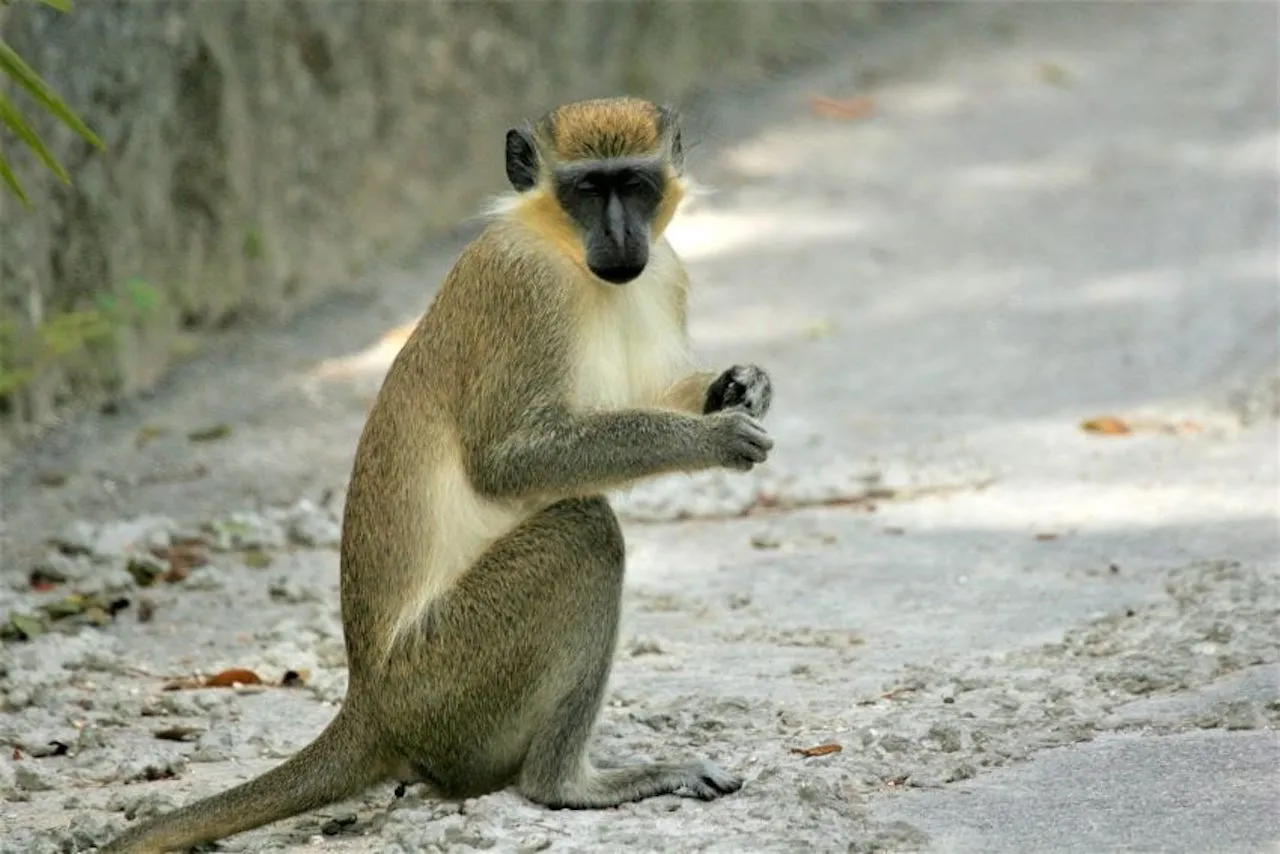
Graeme Hall Nature Sanctuary - home of the marvellous mangroves!
By Rekke Editorial
Tucked away along the scenic south coast, the Graeme Hall Nature Sanctuary is home to an internationally important wetland environment.
The Convention on Wetlands came into operation over 50 years ago and their mission is “the conservation and wise use of all wetlands through local and national actions and international cooperation, as a contribution towards achieving sustainable development throughout the world”.
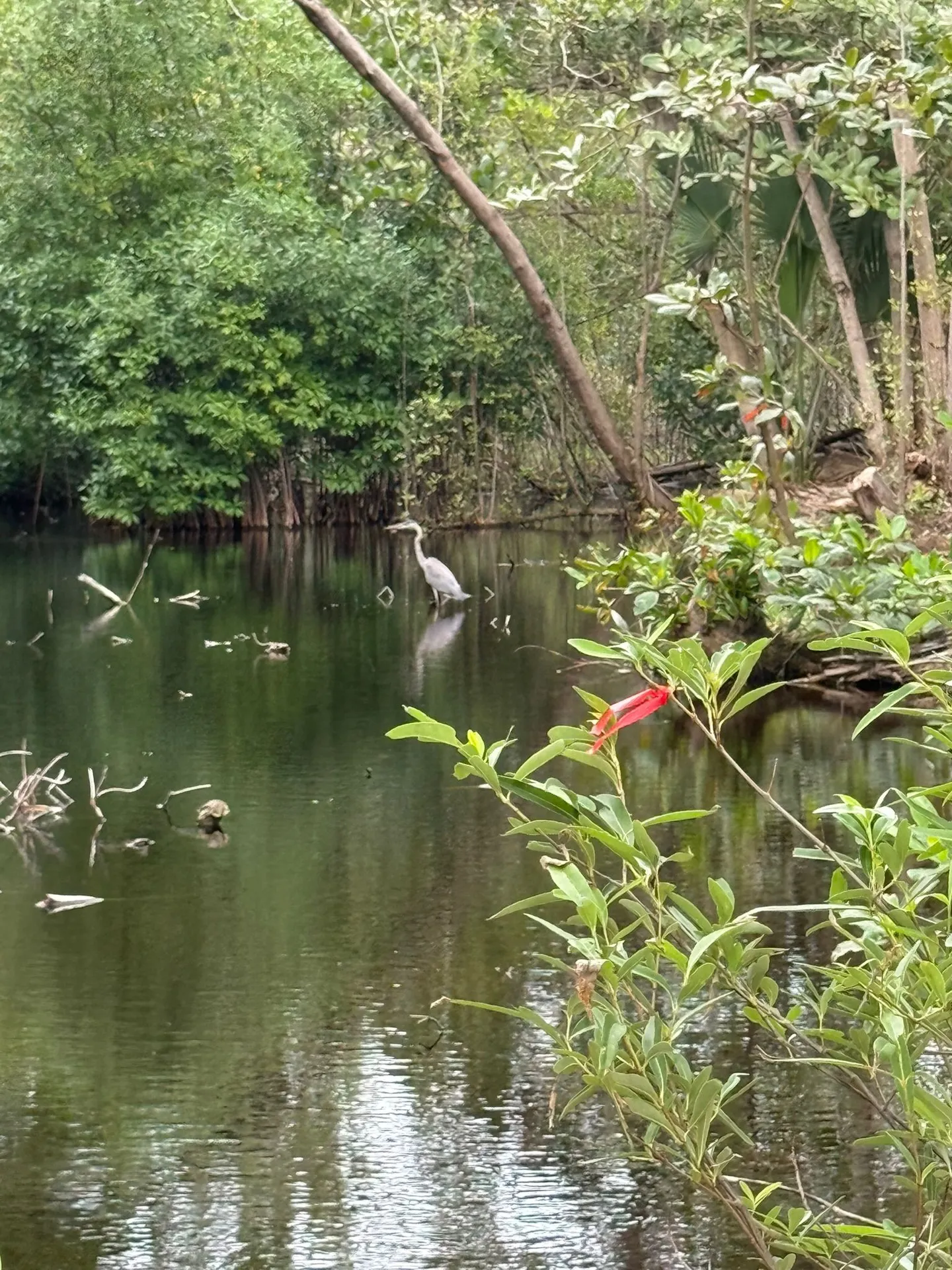
So, what are wetlands? - The answer is very broad; all lakes, rivers, swamps, marshes, wet grasslands and peatlands, estuaries, deltas and tidal flats, mangroves, coral reefs and other coastal areas as well as underground aquifers and human-made sites such as fishponds and reservoirs.
Why do they need conserving? - Wetlands are amongst the most diverse and productive ecosystems; they provide our fresh water, they are home to wide range of animals, they absorb an store vast amounts of carbon. However, without proper management they continue to be degraded and lost to other uses.
Barbados has been party to this Convention since 2006 and have committed to designate suitable wetlands for the list of Wetlands of international Importance, work towards and ensure wise use of these areas as well as cooperating internationally on share wetlands and shared species.
At present, Graeme Hall Nature Sanctuary is the only designated site in Barbados.
At the heart of Graeme Hall Nature Sanctuary are the mangroves – these remarkable trees shape the shoreline and provide shelter for its residents. Mangroves form a natural buffer between the sea and land and act as a barrier against waves, storm surges and tsunamis. Graeme Hall Nature reserve has the largest remaining mangrove forest on the island and is home to red and white mangrove trees.
Red mangroves are evergreen trees that can grow to 25 feet high and live closest to the water. They have intricate arching roots, visible above the surface with a red bark colour making it very easy to identify. The roots anchor the trees to the land and can cope with tidal changes. The roots contain a waxy substance that helps keep the salt out. If any salt does get through, it is deposited in older leaves and the tree sheds them.
White mangroves grow further inland, at the back of the mangrove swamps, where they are generally unaffected by tidal variation. There are no visible aerial roots as there are with the red mangrove and so they may be harder to identify. White mangrove roots filter salt from the water and pass it to the leaves which have two glands at the base where the salt is excreted, so the leaves are often coated with white salt crystals. The salt crystals give this species its common name and the bark is lighter in colour. The waters of Lake Tarpon are a mixture of fresh and sea water, a brackish blend, teeming with life, so together the red and white mangroves help keep the ecosystem balanced whilst providing shelter for many creatures.
What will you find there?
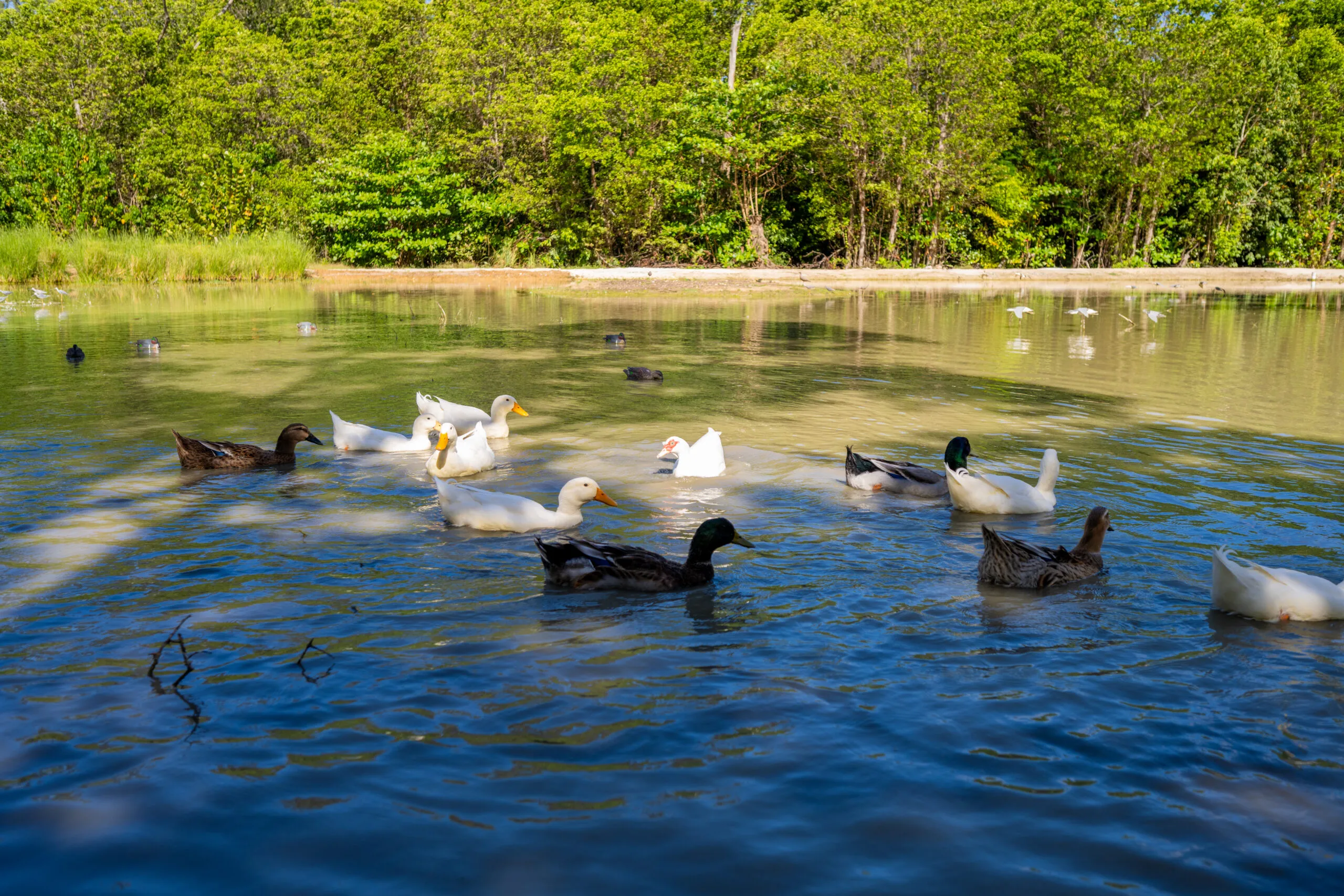
For visitors there are over 35 acres of this protected wetland and at the heart of it you will find Barbados’ largest inland lake which is also a haven for several bird species both native and migratory. These together make this a unique and special site which is playing a critical role in preserving the biodiversity of the island and providing the habitat needed for an array of animals, reptiles and marine life.
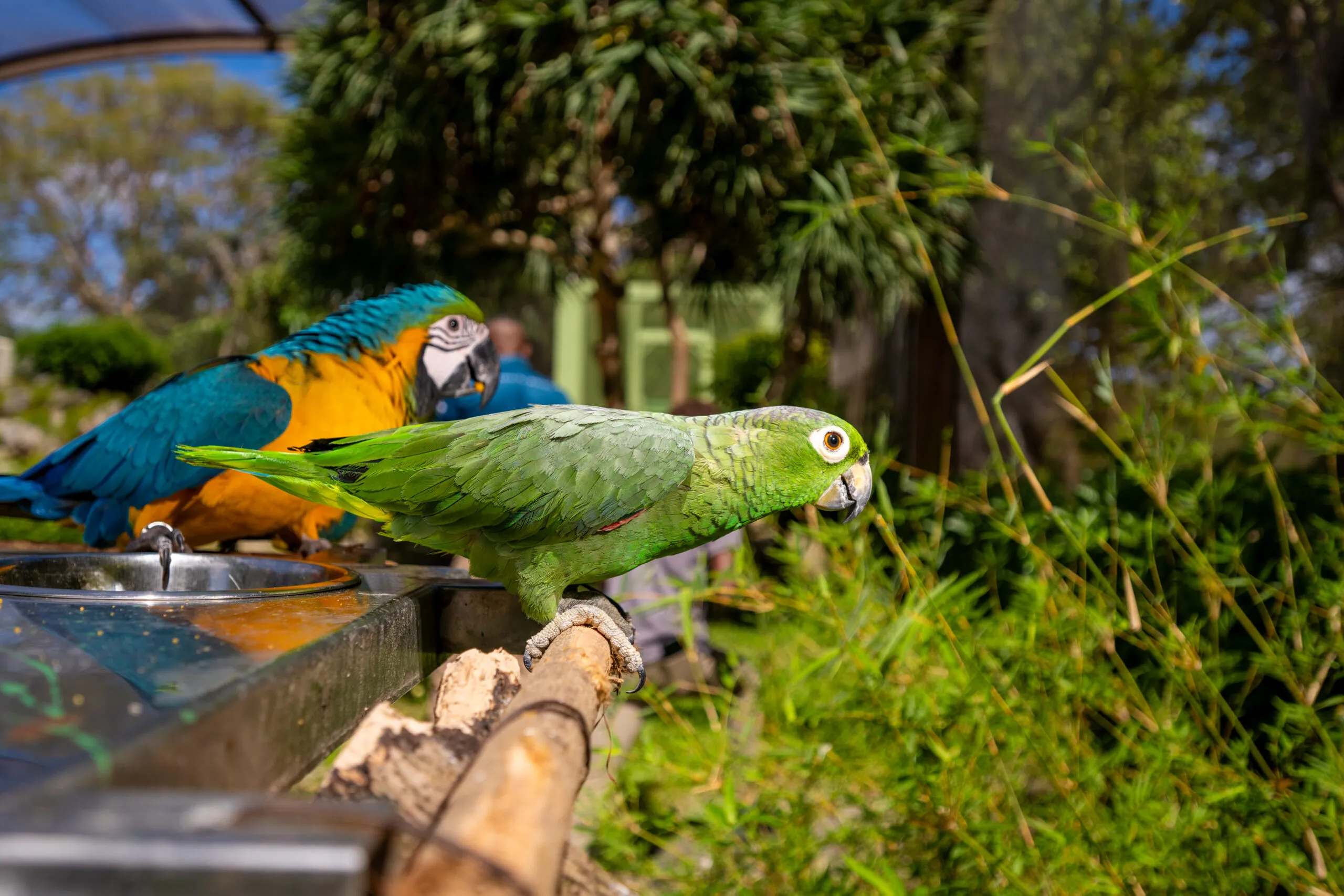
Why not stroll along the scenic one-mile trail through lush wetlands surrounded by wildlife. As you enter the trail, you will see the vast expanse of the lake, crossing bridges, perhaps see turtles basking at the edges. Passing through the mangrove lagoon, notice the towering mangroves and delicate waterlilies co-existing. Across the vast expanse of the lake, can you spot egrets? As you continue along the trail visit Rept Isle, the Migratory Bird haven, Gully Aviary and monkey and mongoose haven. Heading back towards Graeme Hall green, explore Wildlife haven with parakeets, peacocks and iguanas and perhaps spend a few minutes to reflect.
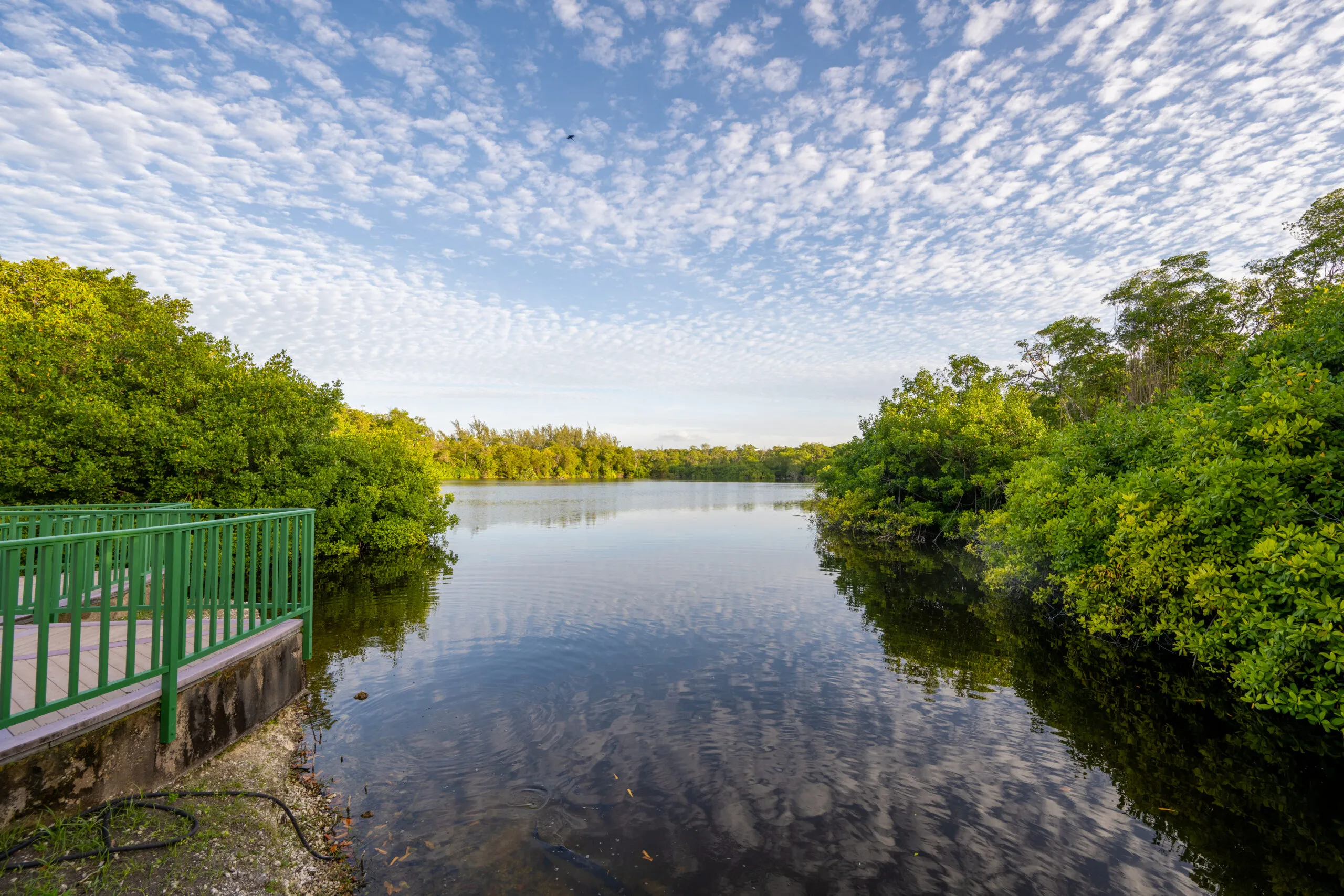
View across the lake
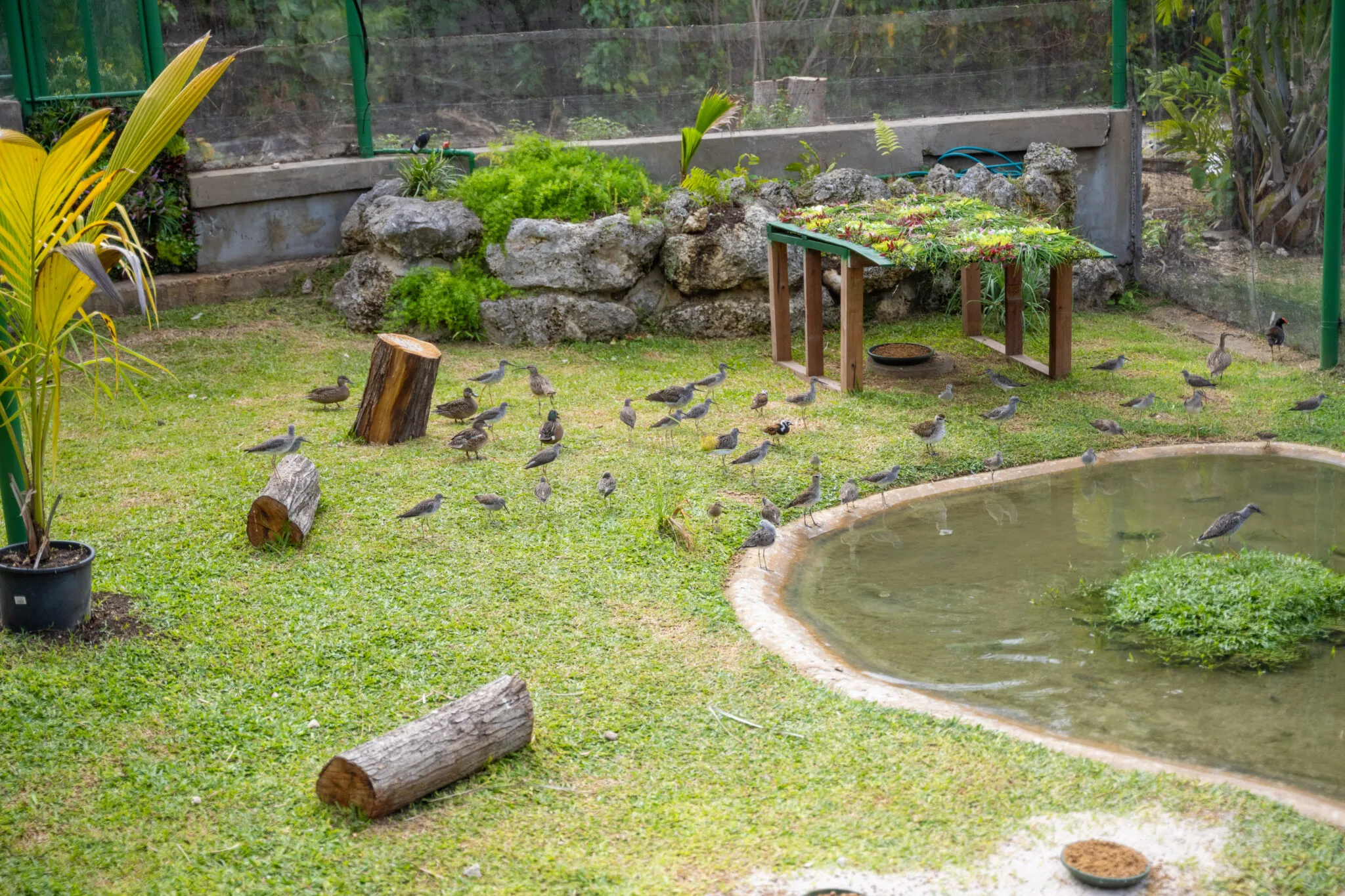
Migratory Bird Zone