Getting Around The Island: Everything You Need To Know
By Darcie Imbert
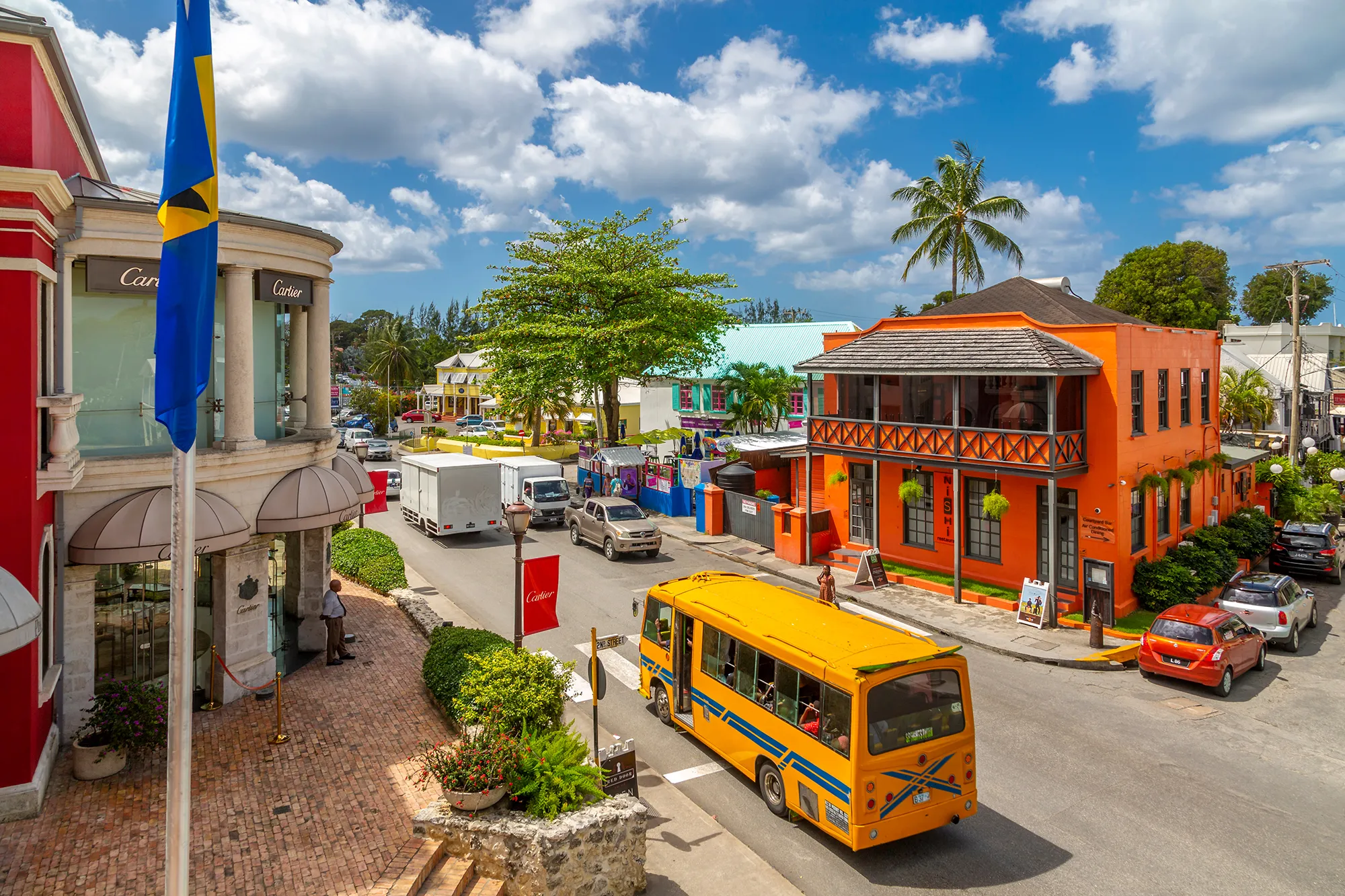
We drive on the left - you'll be "alright"
Getting Around Barbados: Everything You Need to Know
Jump on a lively ZR van, order an Uber, or trace the curve of the island’s coast by car; getting around this small island is refreshingly simple — with a few quirks worth knowing.
Barbados may measure only 21 miles long and 14 miles wide, but its roads hold multitudes: undulating stretches overlooking the Atlantic, coconut-fringed lanes along the west coast, and narrow inland roads scented with bougainvillea. Moving between them isn’t difficult; it’s about choosing the ride and the rhythm that suits you best.
Getting around Barbados is part of the fun — both functional and cultural. Public transport is woven into daily life: minibuses honk, drivers call out to regulars, and for $3.50 Barbadian dollars you can cross most of the island. Here’s a guide to navigating Barbados for the traveler who wants to see beyond the resort.
Rent A Car & Explore The Island On Your Own Clock
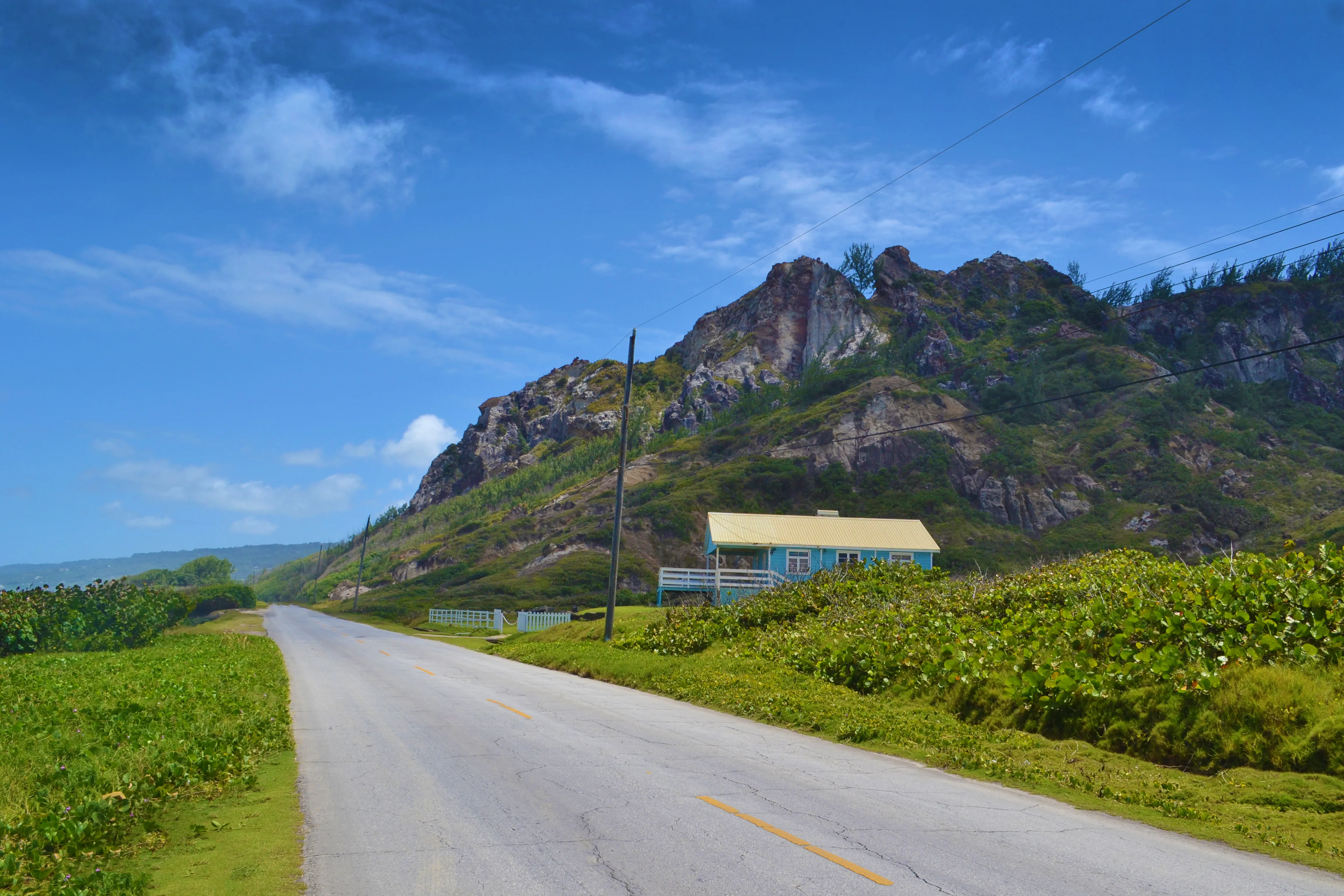
Renting a car remains the most liberating way to explore Barbados. The island recently simplified the process: visitors no longer need a separate driving permit, only a valid license from home and a passport. A new US$5 daily levy, capped at $35, is automatically added to your rental bill.
Barbados drives on the left, and while the rules are straightforward, the reality on the road can feel different — especially for U.S. visitors. Roundabouts replace many traffic lights, right-of-way can be ambiguous at smaller junctions, and some intersections seem to merge or split without warning. Inland, stop signs may be obscured by overgrowth, lane markings can fade, and occasional tight turns appear without much notice. The laid-back vibe of Barbados applies on its roads too: don’t be surprised if a ZR stops without indication, oftentimes just for a chat with a passing vehicle. This is particularly common around Oistins and on the South Coast road.
The biggest challenge is the road surface: potholes can be severe on lesser-used routes, and after heavy rain some roads flood quickly. Keep your eyes on the road and take it slow to avoid hitting the potholes too hard and risking a flat tire.
Navigation apps like Google Maps and Waze work well most of the time, but not perfectly. They occasionally route unsuspecting drivers onto unpaved agricultural tracks or dead-end cart roads. When in doubt, follow the numbered highways or ask a local; Bajans will usually give clear (and honest) directions.
Car rentals are ideal for adventurous travelers — as long as expectations match the island’s personality: slow-moving traffic, meandering roads, and the occasional goat deciding the right-of-way. Speeds rarely exceed 60 km/h. Barbados rewards patience.
Helpful Hint: If you’re driving, remember to stay in the middle of the road at all times. Keep this in mind when turning a corner without traffic to follow.
Order A Taxi, Or Book An Uber
For years, travelers relied on licensed taxis — identifiable by the “Z” on their plates — for everything from airport transfers to quick hops between beaches. Fares are regulated but unmetered, so it’s best to agree on a price before the ride.
Now, Uber has entered the picture. Launched in late 2025, the service connects passengers with licensed local taxi drivers, offering upfront pricing and cashless payment. A homegrown alternative, pickUP Barbados, operates similarly and is popular with those wanting to support a local-owned platform.
Both services are particularly useful after dark, when rural stretches are poorly lit and distances feel longer on winding roads.
Helpful hint: When the sun goes down, taxis become less reliable. We recommend agreeing on a collection time when you get dropped up to avoid being stuck without a ride.
Get A Feel For The Island On Public Transport
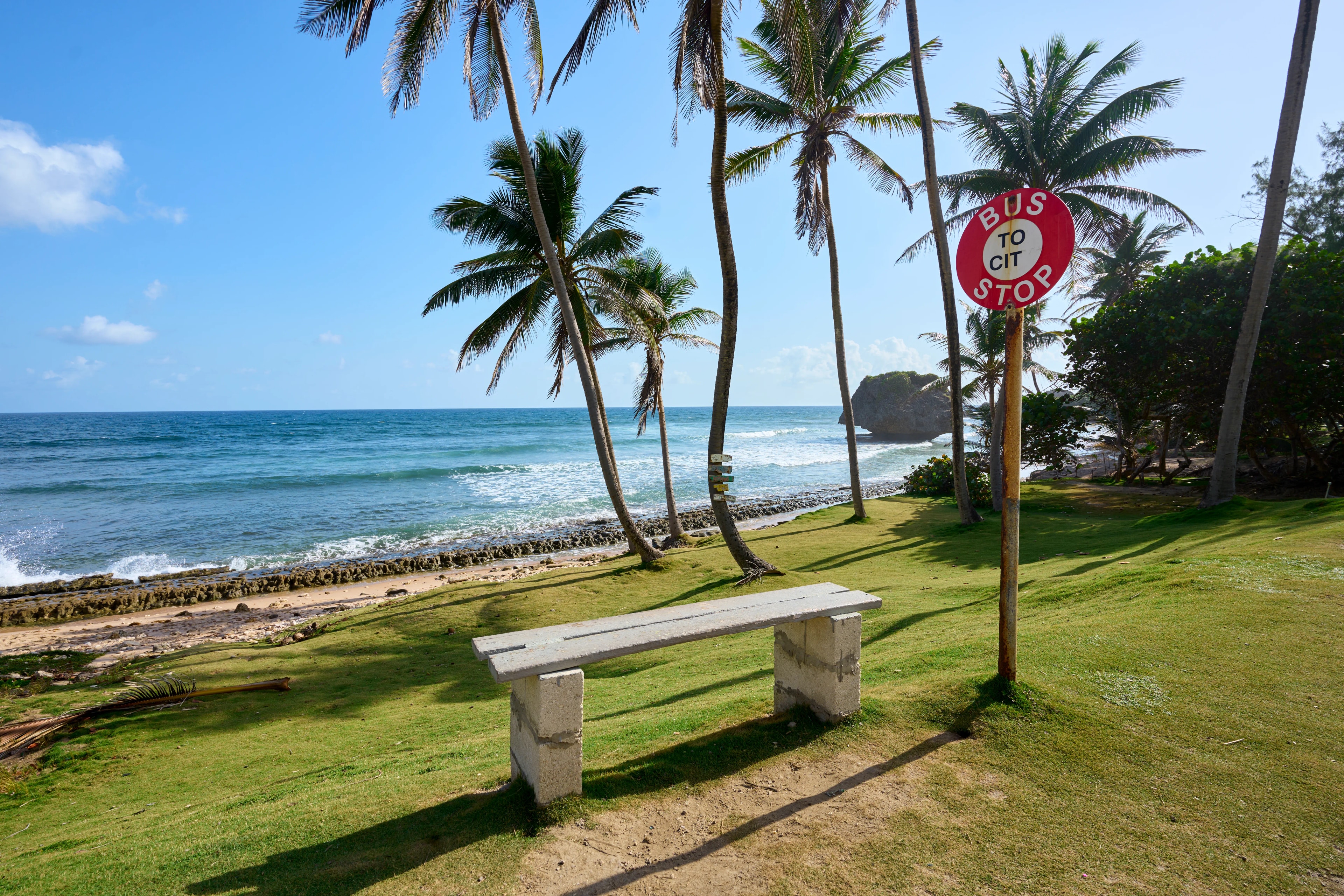
Public transportation in Barbados is an experience as much as a service. The government’s blue Transport Board buses, alongside privately operated yellow minibuses and white ZR vans, weave across the island all day for a flat fare of BBD $3.50.
Blue buses are orderly and increasingly modern — several new electric, air-conditioned buses now run major routes, making them a comfortable option. Exact change is required.
Yellow minibuses and ZRs are more animated: music pulsing through the speakers, frequent stops, and drivers who seem to know every passenger by name. Routes link Bridgetown, Speightstown, Oistins, Bathsheba, and the central highlands. For visitors, the government’s website offers surprisingly clear route information — helpful when planning cross-island trips.
Expect warmth, humor, and the occasional soca remix. Don’t expect calm and quiet, luxury this ain’t!
When Walking Works & When It Doesn’t
Walking in Barbados can be great — with the right route. The Richard Haynes Boardwalk remains the island’s best-known pedestrian stretch, linking Rockley and Hastings with ocean views, cafés, and shaded benches.
On the South Coast, Miami–Freights–Atlantic Shores–Surfer’s Bay is another walkable corridor, beloved by locals. It hugs the shoreline, offering lookout points where you may spot turtles, rays, or even migrating whales. Casper’s Beach Bar and Surfer’s Bay provide well-timed drink and snack stops.
Sidewalks are scarce in Atlantic Shores too, but the drivers go slow close to the coast because of all the speed bumps and potholes. Be aware that distances can be deceiving; inland roads twist through cane fields and limestone hills, a “short walk” on a map might become a winding trek. After dusk, rural areas are dimly lit, so stick to well-known paths or book a taxi.
Safety, Families & The Small Details That Matter
Seat belts are required for everyone. Child seats are mandatory for young passengers; your rental company will have them available. During hurricane season (June–November), expect sudden showers that slow traffic and worsen potholes.
For travelers with mobility needs, hotels and major attractions are increasingly accessible, though public transport is limited. Taxis, Ubers, and pickUP Barbados remain the most practical options. Blessed Rentals also provide cars adapted for people with disabilities.
Patience, courtesy, and a relaxed approach go far in Barbados. Whether you’re behind the wheel or hopping into a ZR van, getting around is part of the island’s character — a blend of charm, chaos, and unexpected beauty.
Helpful Hint: Barbadian roads have their own tempo. After heavy rain, some routes flood quickly, so it’s wise to check the Barbados Met Office for alerts before setting out. Listen for the soft beep many drivers use to say thank you after you’ve given way; it's a courteous habit that surprises first-time visitors. And if the car ahead slows and a hand appears out the window, it signals a pedestrian crossing, not an invitation to pass. On this island, caution and a little patience go a long way.