Agapey Chocolate - Luxury based on Tradition
By Rekke Editorial
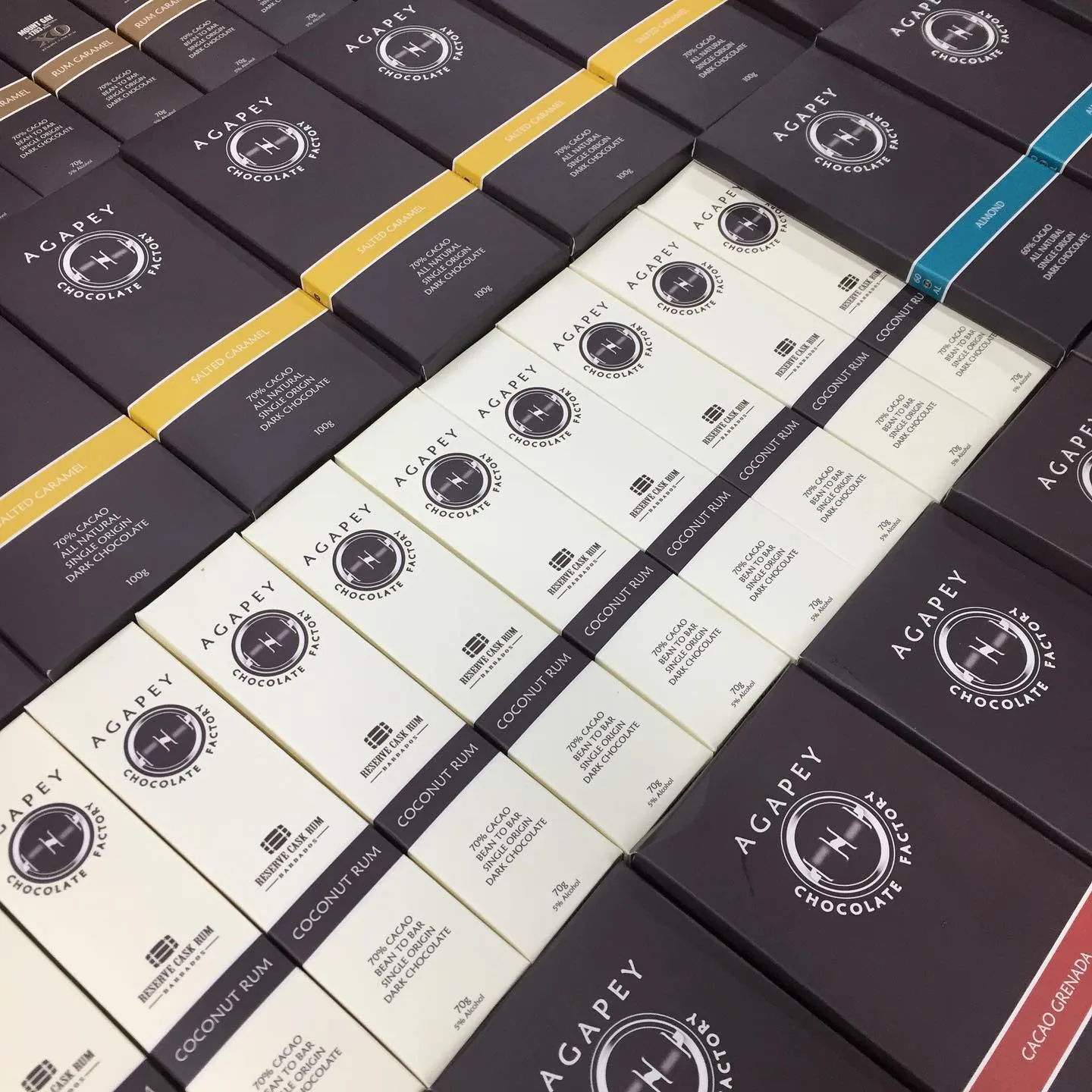
Home of luxury chocolate - a perfect mix of history and tradition using the best ingredients, ethically sourced to make exquisitely delicious wholesome products!
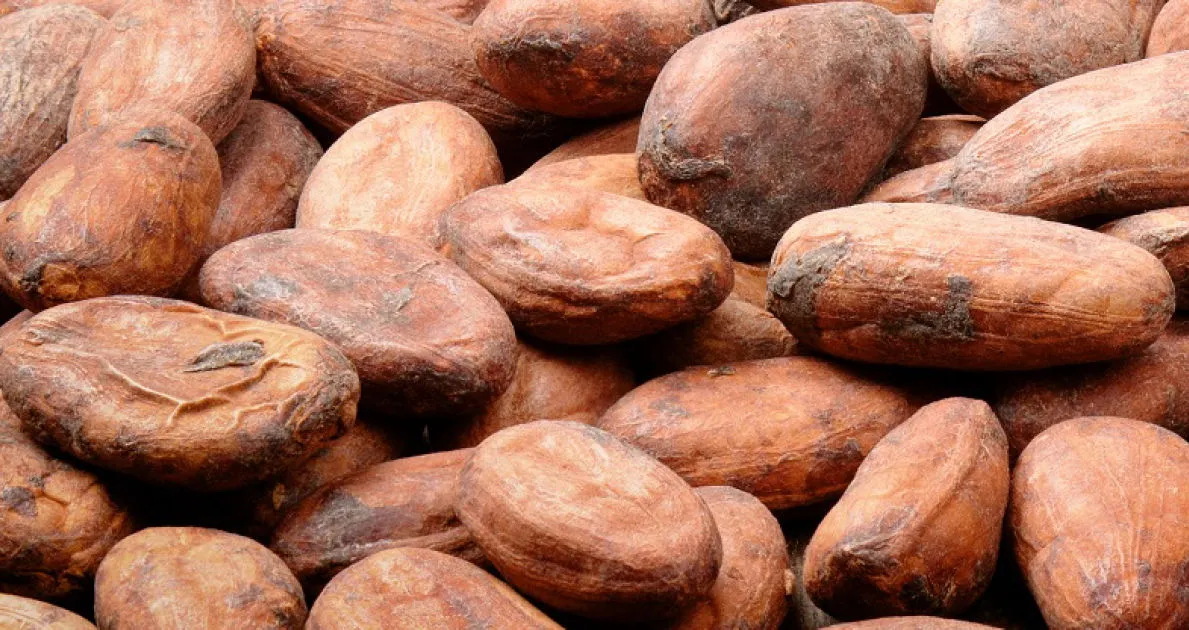
The history of chocolate dates back more than 5,000 years, when the cacao tree was first domesticated in Mexico. A variety of cacao drinks have existed around the world, both alcoholic and as medicine. Ancient Mesoamerican civilisations consumed it as a bitter drink, made by mixing ground cocoa beans with water and spices such as chilli and vanilla; it was also used it in religious ceremonies. Cacao beans have been known to have economic value, being traded as currency in these ancient societies.
In the early 16th century, explorers like Christopher Columbus and Hernán Cortés helped cacao beans make their way to Europe; in Spain they adapted the drinks, including adding sweeteners and flavours like cinnamon. They also served the drink warm. The secret of the cacao beans was well guarded, restricting the processing of the beans to monks in monasteries.
Late in the 17th century, after the Spanish economy began to decline, and chocolate had begun to be imported into other parts of Europe, came the rise of industrial chocolate production. Until then, it was considered a luxury product to be consumed by the wealthy. At this point chocolate was consumed in solid form on special occasions, made by mixing cocoa paste with sugar and other ingredients and then molding to the desired shape.
The development of steam-powered machinery in the early 19th century allowed cocoa beans to be roasted and ground far more efficiently, making chocolate production cheaper and faster. The invention of the hydraulic press, patented by Dutchman Coenraad Johannes van Houten in 1828, made it possible to extract cocoa butter from cocoa beans, a vital ingredient in chocolate as we know it today. The dry cake left behind was ground into a fine powder, producing what we know recognise as cocoa.
With the rise of industrial chocolate production came the rapid expansion of the chocolate industry. In 1847, Joseph Fry created the first modern chocolate bar by combining cocoa butter, cocoa powder and sugar.
Moving forward to 1875 and the addition of milk to chocolate; Swiss chocolatier, Daniel Peter invented milk chocolate through the addition of condensed milk (a thickened sweetened milk product) which resulted in a product that was much sweeter and creamier than the dark chocolate previously produced. This new product also made chocolate less expensive to make, more accessible and less bitter too.
The 20th century saw mass production of chocolate bars and a global expansion of chocolate making factories, making chocolate accessible to all levels of society. Now in the 21st century, and the move towards more responsible farming methods, considering sustainability and Fair Trade, a more ethical product has been developed. Consumers have become more aware, and producers have met this challenge with a rise in artisan and craft chocolate makers. Cacao beans are ethically sourced, ensuring farmers are paid a fair price; farming practices consider the social and environmental impacts and using small-scale local producers.
The future? – catering for the health conscious and dietary restrictions; low-sugar, dark and plant-based chocolates.
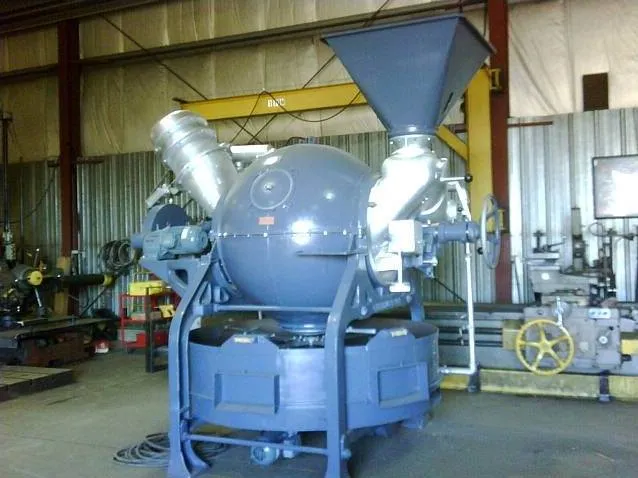
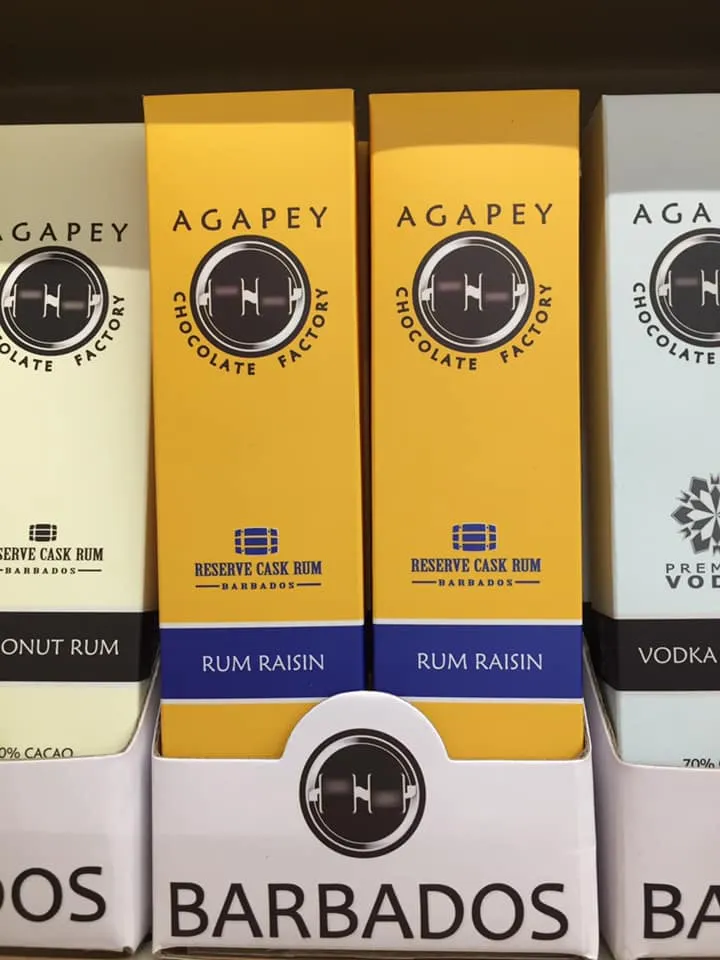
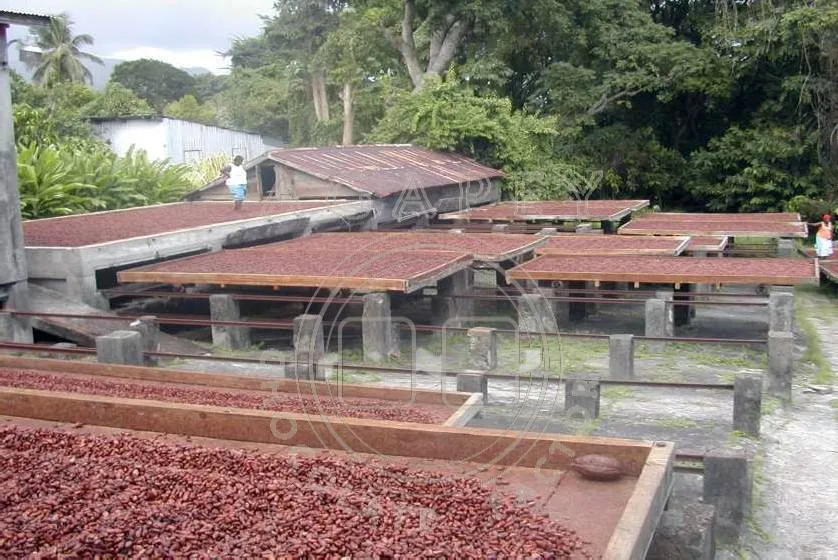
The Agapey Chocolate Factory was founded in 2010 and is a bean to bar operation. Located in Bridgetown Barbados, within the hub of the regions’ cocoa growing plantations in the West Indies, Agapey sources its cocoa beans from Grenada and the Dominican Republic. The sugar they use for their chocolate is the world renown Barbados Plantation Reserve Gold cane sugar which adds a special caramelised flavour to the chocolate.
The factory, although very new, uses traditional methods and restored antique equipment in its processes. The roaster dates back over 70 years, chocolate is mixed in small batches, tempered, cooled and then hand packaged. The finest of flavours enhance this lovingly created chocolate, from extra old Barbadian rum to natural Tahitian vanilla.
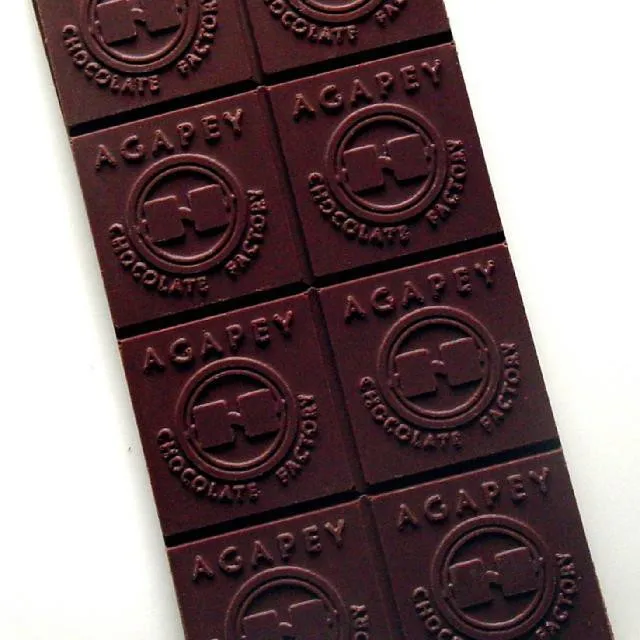
The tour takes you through the whole process, beginning with roasting in the antique roaster, followed by crushing the beans, pressing to extract the cocoa liquor; combining with natural flavours, tempering, cooling and finally hand packing of the individual bars. Along the tour you get the opportunity to taste cocoa at the various stages, tasting the sugars as well as sampling a variety of artisan dark chocolate – and gourmet ice cream.
With only around 50 artisan chocolate makers worldwide, don’t miss this opportunity to see up-close how chocolate is made from bean to bar!